

In this guide, we will provide a general checklist and overview of essential items to pack for a comfortable, easy family camping trip full of convenience and fun.
Table Of Contents
- Sleeping Gear
- Cooking Essentials
- Cooler and Food Storage
- Cleaning Supplies
- Clothing and Footwear
- Clothing Layers
- Footwear
- Functional Accessories
- Safety and Navigation Gear
- Navigation Tools
- Others
- Comfort and Entertainment
- Games and Activities
- Lighting
- Personal Hygiene Items & Toiletries
- Skin Protection
- Extras
- Baby and Toddler Gear
- Pet Supplies
- Weather-Specific Gear
- To Sum It Up…
Sleeping Gear
- Sleeping Bags: You should choose sleeping bags with appropriate temperature ratings based on the expected weather. Mummy bags offer serious insulation for cold weather camping, while normal, rectangular bags provide more space and comfort in mild conditions.
- Sleeping Pads: You may choose to add sleeping pads to your bedding situation for a layer of insulation and cushion between you and the ground.
- Air Mattresses: For added luxury, or if you tend to experience back pain, an air mattress with a built-in pump can provide a more bed-like experience inside your tent.
- Pillows and Pillowcases: Bring along special compressible camping pillows or even regular pillows with pillowcases for home-away-from-home comfort. A good pillow will help with neck support and ensure a restful sleep and a painless morning.
Cooking Essentials
- Camp Stove or Portable Grill: Choose a camp stove or portable grill that suits your family’s meal preparation and cooking needs. A two-burner stove is ideal for preparing multiple dishes at the same time. Ensure you have enough fuel for the duration of your trip. White Duck Outdoors family tents often include a vestibule (outside storage area) that can also serve as an outdoor cooking space, so consider a tent stove made to work well in such a situation. Look for stoves with sturdy bases and safety features, as having a stable setup can prevent dangerous accidents and also make cooking a lot easier.
- Cookware Set: Pack a lightweight, durable camping cookware set. These typically include pots, pans, and a kettle–everything you might need. Consider cookware with pieces that stack into each other (nesting cookware) for space-saving. Last but certainly not least, choose non-stick cookware as it is easier to clean with limited resources at camp.
- Utensils: Don’t forget utensils! You will likely need:
- Spatula
- Ladle
- Tongs
- Can opener
- Forks, knives spoons
- Plates
- Bowls
- Cups
Cooler and Food Storage
- Cooler: A high-quality cooler keeps perishable food fresh all weekend long. Be sure to choose a cooler with a solid seal and heavy-duty insulation. Consider a cooler with a good seal and insulation. You can stash your cooler in the vestibule area of your tent if it’s bear and critter-safe, otherwise, you should lock up the food cooler in your car or truck.
- Storage Containers: Choose airtight containers or Ziploc bags to store dry foods and snacks. Again, bear-proof containers for dry goods or a good hanging system is essential in areas where wildlife populations are heavy.
Cleaning Supplies
- Dish Soap and Sponges: Pack bio-safe dish soap and biodegradable sponges for cleaning dishes on your camping trip. Don’t forget to bring a jug of water if you are camping somewhere without facilities. Maybe throw in a small dish rack or drying cloth to help with drying utensils and cookware quickly.
- Trash Bags: Don’t forget trash bags for organized waste disposal.
Clothing and Footwear
Proper clothing and footwear are crucial for comfort and protection during your camping trip.
Clothing Layers
- Base Layer: Always start with moisture-wicking base layers to keep you dry and comfortable. Throw in lightweight, breathable materials for warmer weather and thermal layers for wintery conditions.
- Mid Layer: Insulating mid-layers such as fleece jackets or down vests are super important for creating and maintaining warmth. Layering also allows you to adjust to varying temperatures throughout the day, which are very typical when camping in high elevation environments.
- Outer Layer: A waterproof, windproof outer layer (both tops and bottoms) protects you from the elements, and from becoming soaked through to the base layer. Be sure to look for breathable fabrics to prevent overheating in the warm months, though.
Footwear
- Hiking Boots: Sturdy hiking boots are crucial to safety, as they provide support and protection on even the most rugged terrain. To avoid discomfort and blisters, be sure that your boots are well broken in before your trip.
- Camp Shoes: Pack a second pair of warm, comfortable camp shoes, slippers with hard bottoms, or sandals for lounging around the campsite. You’ll want camp shoes that are easy to slip on and off for trips in and out of your tent.
Functional Accessories
- Hats: A wide-brimmed hat is a good idea no matter the season, as it protects your face, neck, and shoulders from blistering in the sun.
- Sunglasses: UV protection is also important for all family members–we’re looking out for long-term optical health around here.
- Gloves: In cold weather, don’t forget to pack gloves or mittens to keep your hands toasty. Bring waterproof gloves if you’re expecting rainy or snowy conditions.
Safety and Navigation Gear
- First Aid Kit: A fully stocked first aid kit should contain bandages, antiseptic ointments and wipes, adhesive tape, pain relievers like ibuprofen, and any personal medications that you or your family members need to take daily for wellbeing.
- Special Items: Don’t forget items and medications specific to your family’s needs, such as allergy medications, epi-pens, or insect bite treatment.
Navigation Tools
- Map and Compass: Even if you have a GPS device, you should always carry a physical map and compass for backup. After all, you can’t truly know how spotty service and internet connection will be when off the beaten path.
Others
- Multi-tool or Swiss Army Knife: A multi-tool with various functions (knife, pliers, screwdriver) is crucial for addressing unexpected situations and completing minor repairs.
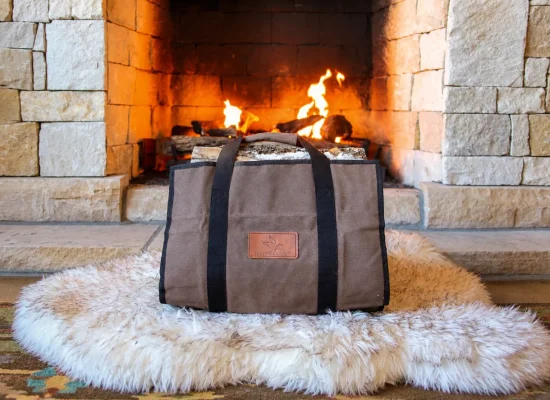
- Log Carriers: To avoid getting splinters or over-exerting yourself when collecting firewood, bring along a canvas log carrier for safely and conveniently transporting your fire fuel.
Comfort and Entertainment
- Camping Chairs: Portable camping chairs are KEY to comfort and relaxation on your camping trip. You can find chairs with built-in cup holders and reclining features and even two-seater loveseat chairs for the lovebirds in your family. Choose chairs that are simple to fold and lightweight to carry. Arrange the chairs around your campfire or near your tent to create a cohesive lounging area.
- Camping Table: A folding portable camping table provides a stable surface for meals and activities like playing board games or cards. You can pick from tables with adjustable heights, or built-in storage according to your family’s preferences.
Games and Activities
- Board Games & Deck of Cards
- Outdoor Games: Frisbee, cornhole, etc.
- Books & Journals
Lighting
- Portable Lanterns: Choose a lantern with adjustable brightness and long battery life. Solar lanterns are also an option.
- LED string lights are great for nighttime visibility and bringing the ambiance–especially if you are celebrating a holiday or birthday.
- Headlamps: Headlamps are great for hands-free lighting while cooking, fishing, or other tasks and for nighttime safety when walking around the campsite.
Personal Hygiene Items & Toiletries
- Toiletries: Even if you’re planning on primitive camping without facilities like bathrooms or running water, don’t neglect to pack personal toiletries such as toothpaste, toothbrushes, soap, and shampoo. You can always use a jug of water or water bottle to brush your teeth, wash your face, and give yourself a little sponge in important places.
- Towel and Washcloth: A quick-dry towel and/or a washcloth are useful for ensuring personal cleanliness.
- Toilet Paper & Trowel: If camping in an area without restrooms, be sure to bring plenty of toilet paper and a trowel for digging a you-know-what hole–and feel no shame.
Skin Protection
- Bug Spray: Insect repellent helps ward off mosquitoes, horseflies, no-see-ems, and ticks. Choose a repellent with DEET or natural alternatives. There’s nothing more annoying than having to constantly swat bugs when you are trying to relax at your campsite.
- Sunscreen: high SPF protects your skin from sunburn and UV damage.
Extras
Baby and Toddler Gear
- Clothing: Bring plenty of extra clothing (in layers, like you would for an adult), diapers, and wipes.
- Bedding: Pack comfort essentials for young children, including a portable pack-and-play crib, high chair, or a playpen so they can enjoy the outdoors safely.
- Gear: Ensure that your tent is child-friendly with no sharp edges or small, swallowable parts. Consider bringing child-safe camping gear and a first aid kit specifically for infants.
Pet Supplies
- Food
- Leash
- Toys
- Bedding
Weather-Specific Gear
For winter camping, be sure you are bringing along a cold weather tents, warmly insulated sleeping bags rated for cold temperatures, and extra blankets. Pack snowshoes or cross-country skis if needed.
For summer camping, pack a sunshade or screen room for additional cover from hot, heavy UV light. Bring extra water and hydration supplies (such as electrolyte packets).
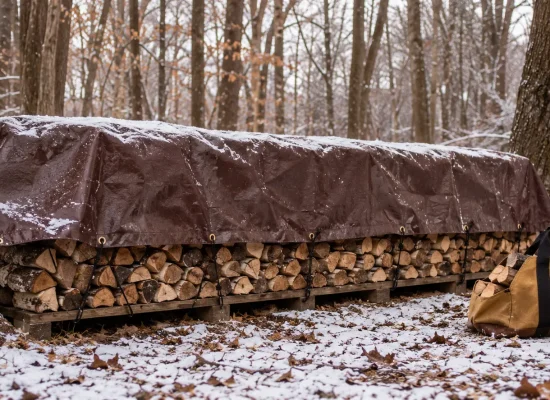
No matter the season, rain is a possibility. Bring a ground tarp for extra protection against ground water, and poly tarps for hanging high above camp as extra shelter from moisture.
To Sum It Up…
Packing for a family camping trip involves lots of pre-planning and thoughtfulness to ensure that each family member has what they need according to their unique requirements. By focusing on these key areas and working off this general list, though, you are sure to cover all of your bases for a well-rounded and enjoyable camping experience.


No Comment! Be the first one.