
Camping outdoors looks different for everyone. For hardcore wilderness explorers, it might look like backpacking in the backcountry, setting up a hyper-portable campsite after a long day of hiking. For the average outdoorsy family, it might look like pitching a large canvas tent at a traditional family campground. For solo adventurers who value mobility and convenience, car camping is their holy grail. As long as you’re respecting natural ecosystems and any camp neighbors you may have, there’s no right way to go camping. Each type of camping offers unique benefits and drawbacks, making them great fits for different people and experiences.
Table Of Contents
Today, we’ll dive into all things car camping, from the range of benefits to how to outfit your vehicle for camping. Plus, get practical tips to make your next car camping trip a success. Let’s get started!
Why Car Camping is Awesome
While it may be a more untraditional mode of camping, car camping is growing in popularity – and for good reason! With the right setup in place, camping out of a car offers unmatched versatility.
Since you don’t have to invest in a traditional camping tent and all the gear that goes with it, car camping can be a more affordable way to explore nature, making it an accessible option for those with tight budgets.
Additionally, having your transportation double as your shelter makes it an incredibly flexible travel option that’s great for long-term solo campers and road trippers alike. While your neighbors spend the morning packing up their tents, you’ll already be on your way to the next destination. This is also a huge advantage in emergencies where you might need to pack up and get out quickly.
Plus, while tents offer some protection from weather and wild creatures, they’ll never compare to the rigid structure of a car. This same rigidity makes it the perfect base for a comfortable sleep setup. So what do you need to get started?
Essential Car Camping Accessories
Car camping requires a little more thought than simply laying down your passenger seat and praying you get some rest. For the sake of your comfort, as well as maintaining an efficient campsite, you’ll want to bring the following essentials to create a camping shelter out of your car. Aside from your sleeping gear, it’s also important to remember to pack the rest of your camping essentials, from your clothes to your camp kitchen supplies.
The Ultimate Car Camping Packing List:
- Your car (an SUV is ideal, but any car with 4-wheel drive will work!)
- Roof rack (optional)
- Jumper cables
- Mesh window covers
- Curtains (optional)
- Plastic storage bins
- Air mattress or sleeping pad
- Pillows
- Sleeping bag
- Extra blankets (optional)
- Plastic tarp
- Battery or solar-powered lanterns
- Battery-powered fan
- Earplugs (optional)
- Sleeping masks (optional)
- Portable charging devices (optional)
- Clothing and footwear
- Personal hygiene items and toiletries
- Camping chairs
- Foldable table
- Firewood and firestarter
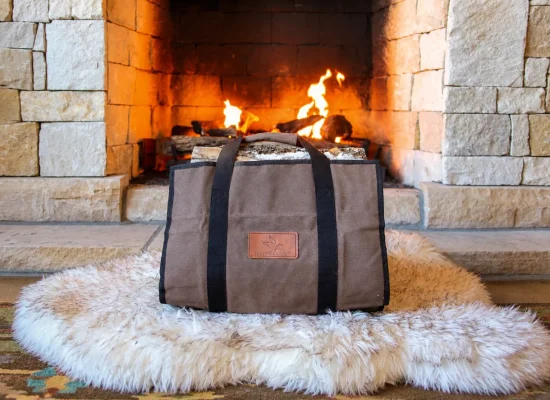
- Firewood log carrier (optional)
- Hammock (optional)
- Any necessary recreational gear for fishing, hiking, swimming, biking, etc.
- Awning extension or shade canopy (optional)
- Campsite tools like a Swiss army knife and mallet
- Navigational tools and maps
- First aid kit
- Water bottles and water
- Camp stove with fuel
- Cooler with ice packs
- Cooking and eating utensils
- Pots and pans
- Plates, bowls, and cups
- Ingredients for meals and snacks
- Cooking oils, spices, and condiments
- Cleaning supplies like trash bags and soap
- Towels
- Portable speakers for music or other forms of entertainment (optional)
How to Outfit Your Car for Camping
Outfitting your car for camping requires two main considerations: where you’ll sleep and where you’ll store the rest of your camping gear. Let’s start with setting up the bed!
First things first you’ll want to remove or all of your car’s backseats to maximize your usable space. Car camping is generally suitable for two people maximum, so you won’t need anything but your driver seat and passenger seat. To protect the fabric of your car’s interior, lay down a plastic tarp or two as a barrier. Next, position your air mattress or sleeping bag lengthwise and make your bed with a sleeping bag, pillows, and blankets. Wherever you have space around your bed is where you’ll store your gear, so be strategic in your bed placement! Pro tip: always sleep with your head toward the front of your car! Back wheels in most vehicles tend to jut into the interior of your car, leaving less room for your upper body if you were to sleep facing the back.
Ventilation is a key component when sleeping in your car, especially during warmer months. Invest in mesh window screens to increase the airflow inside your vehicle while keeping out the pesky bugs of summer. To add more circulation as well as keep cool, fix portable, battery-powered fans to grab handles or seat headrests. For lighting, opt for battery or solar-powered lanterns that you can move around your vehicle as needed. Running your car all night for A/C or lighting will waste gas and run your battery down, so it’s important to be prepared with these fans and lantern hacks.
When it comes to storage, bring along clear plastic bins for a practical place to store your camping essentials. As previously mentioned, you’ll want to place these wherever your bed isn’t. Measure this space before you pack to ensure everything will fit practically. You can also secure a storage box to a roof rack to free up some space inside. For those with large SUVs, trucks, and vans that want to get fancy, consider building a custom storage unit in your vehicle. Grab your woodworking apron and build a sleeping platform that doubles as drawer storage. Car space can be extremely limited, so don’t be afraid to get creative with your storage and organization solutions!
Car Camping Tips That Will Ensure a Successful Trip
With your car properly outfitted, you’re closer to embarking on your next adventure. But before setting out, keep these 5 car camping tips in mind:
- Make sure you have as close to a full tank of gas as possible upon arrival at camp. This will reduce the stress of needing to fill up your tank mid-trip and can help keep you from getting stranded without gas in remote locations. If you want to be extra safe on an off-grid trip, bring along a full gas can or two.
- Avoid running your car battery down, by turning your car lights off for the duration of your trip. It’s also a smart idea to carry jumper cables in the event your battery dies.
- Cars are a little less private than your typical tent because of their 360 windows. To ensure privacy during your trip, hang curtains from your car windows.
- Use collapsible or foldable gear wherever possible. Adding a bed to your car decreases your usable storage space compared to the storage available on a regular camping trip. Save space with items that can shrink when stored.
- The reality is that you can’t sleep in your car at just any location. Make sure you research the local laws and rules of your final destination before showing up. You may even find some locations require permits you need to reserve in advance.
The Bottom Line
Car camping is an awesome way to experience the outdoors in a unique, safe, and comfortable way. Its minimal barrier to entry and affordability make it easy for anyone with a car to try out. Plus, with your transportation doubling as your shelter, your ability to pick up and go is unrivaled, and you’ll spend less time setting up the perfect campsite. By packing the essentials and outfitting your vehicle you can turn your car into a cozy oasis perfect for a night under the stars. Whether you’re embarking on a spontaneous weekend retreat into the wilderness or a long-term road trip across multiple destinations, car camping is a versatile way to reconnect with nature.


No Comment! Be the first one.