
If you’ve ever been camping before, you know that even just a couple of days in the woods can quickly turn into a spendy venture. The costs of permits, fuel, gear, firewood, groceries, drinks, ice, and all of the extra tools and accessories needed to make camping an easeful activity can really stack up. The good news is that even in our volatile economic state, there are still ways to make wonderful camping memories with friends and family and avoid breaking the bank. Let’s delve into a few of the best penny-pinching tips and tricks to take along your next adventure.
Table Of Contents
Savvy Ways To Cut Costs On Camping Essentials Without Sacrificing The Experience
It can be easier to set a budget when you have an actual list of all the things you can anticipate needing on a camping trip. Here are a few suggestions to consider when it comes to expenses you are likely to incur as you pack, and even a few surprise instances to be prepared for throughout your trip.
Travel Expenses
As we all know, prices of fuel are astronomically high and have only proceeded to rise in recent years. Without harping on what is likely a daily frustration for all of us, allow us to recommend an easy way to save money on gas associated with the necessary travel for a weekend getaway: go somewhere close to home! Chances are, there’s a perfectly good campground within a reasonable driving distance from your very own front door. Far enough to unplug and get a change of scenery, but close enough that you don’t have to spend a third of your weekend budget just trying to get there.
Campsite Fees
Often, campsites that offer amenities like electric plugins, bathrooms, and showers will charge a steep fee to reserve your spot, even if you are planning on tent camping rather than RV camping. To keep costs low, use freecampsites.net or Campspot to help you find free or low-cost campsites. Additionally, federal lands (anywhere labeled as Bureau of Land Management territory) and designated national forests typically offer free camping–and a wider variety of secluded spots away from main campgrounds.
Also noteworthy: choose your dates wisely! Campsite prices–just like any other vacation rental–tend to be much higher near holidays and peak busy season. Memorial Day, Fourth of July, or Labor Day weekends might not be your best choices when it comes to planning a budget-friendly camping trip.
Choosing a popular campsite such as one in a National Park can also get quite pricey. If you’re planning a visit to one of our nation’s wonders, try to find a campsite within driving distance to save a bit of dough.
Firewood
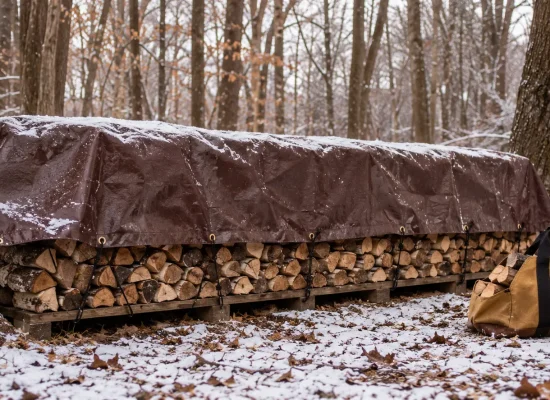
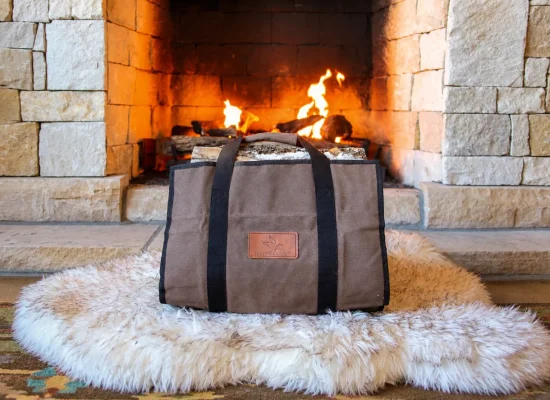
Do not forget the firewood! You’ll need a campfire for light, warmth, and cooking. While most campsites also offer bundles of firewood as an added convenience, they do so at a largely inflated rate. We recommend bringing along your own firewood to save yourself a pretty penny. You could even go so far as to collect it yourself rather than paying anything at all for a bundle from anywhere else.
Tent Camping
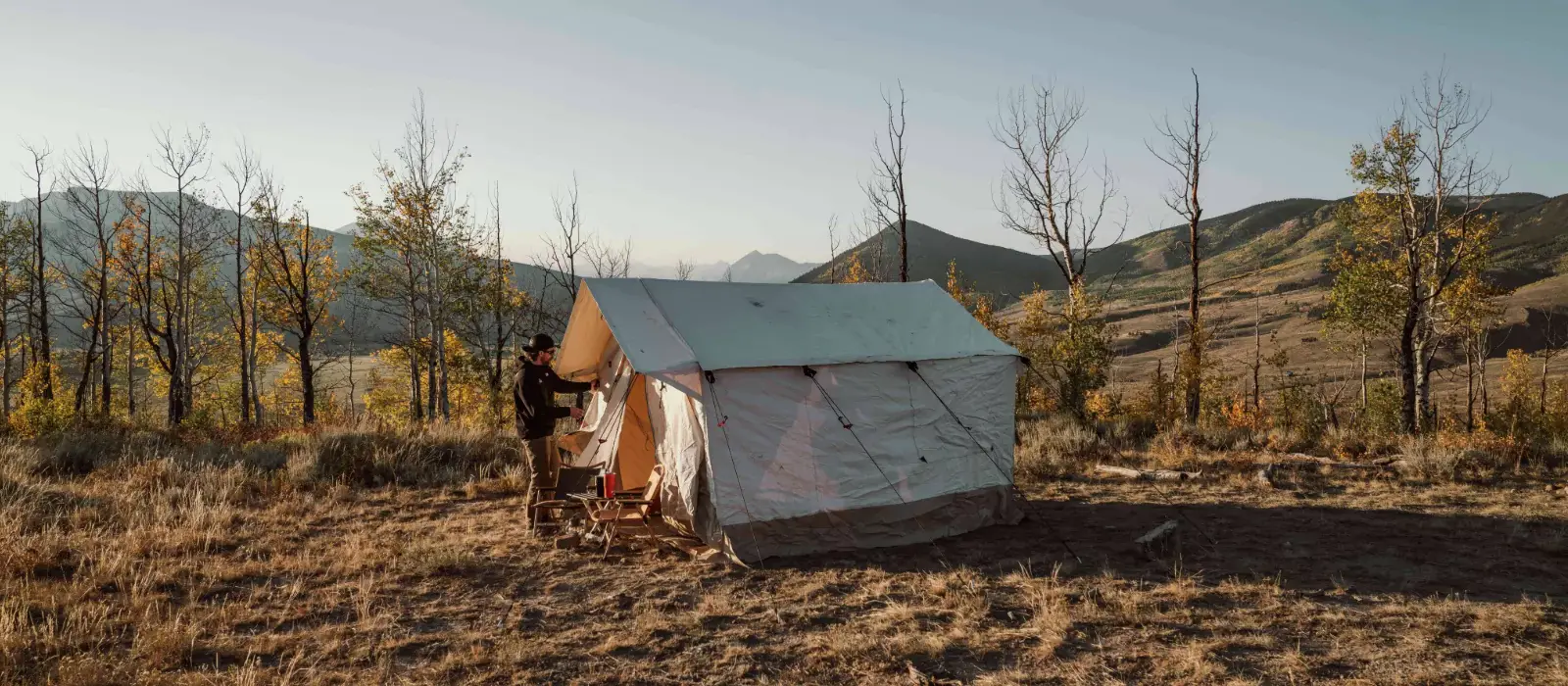
Investing in a good tent and routinely using it for camping rather than purchasing and maintaining an RV can save you big time. A wall tent is a great option for camping with your family or friends on a budget. Wall tents offer tall, vertical walls and a high ceiling with plenty of space to move about. The spaciousness offered by four straight walls rather than slanted ones provides plenty of space for bedding, a tent stove, stashing gear, and more. Instead of dumping money into an RV or camper, save yourself money in the short and long term and go with a tent that’s plenty spacious and comfortable for all.
Wall tents are a wise investment as they can be used not only as a pleasure glamping tent but also as a hunting tent. If you’re part of a family or friend group with multiple hobbies and interests, a wall tent or canvas cabin tent are classic, versatile options that will keep your budget consistent for many camping excursions to come.
Bedding & Tent Comforts
If you don’t have a sleeping bag for bedding, no worries! Grab your blankets, pillows, and an air mattress from home and bring them along! No need to spend extra money on a sleeping bag–a pile of warm blankets and thick sheets will do just fine.
Gear
Contrary to popular belief, you do not need to spend an arm and a leg on every single piece of brand-new gear. Gently used camping and outdoor gear is available for purchase at almost all outdoor and sporting goods stores, second-hand stores, as well as online. What’s more, camping equipment and gear rental companies are common, complete with knowledgeable employees who can help you decide what type of gear you might need based on your favorite activities and preferences.
You may find that a gently used tent or tarp is sufficient, whereas a used sleeping bag might not be the most comfortable decision. You can still choose where you are willing to compromise, without going overboard!
Most importantly, keep it simple. Whether purchasing brand new or repurposing used gear, choose tents and their tent accessories, tarps, rain gear, backpacks, and tools made from the most durable, reliable materials. Stick to the basics, and try not to get carried away with extras!
When it comes to gear quality, remember that it does not have to be made by a name brand, but it does have to hold up against the elements. Polyethylene is a thermoplastic material that stands firmly against moisture, wind, and rocky terrain that threatens to rip and tear. Canvas is another strong, durable material that is both breathable and warm for all-season camping. While it might seem a little counterintuitive to encourage spending on good quality when we’re talking about ways to save money for camping, a good rule of thumb to remember when purchasing your gear is: buy once and buy well. You definitely don’t want to end up having to spend the same money year after year after year–that really hurts the budget in the grand scheme.
Food
Grocery shopping for a camping trip can be a slippery slope. Plan meals ahead of time so you are not buying extra, needless things while shopping. Before leaving, search your pantry and gather basic ingredients you already have on hand to help you craft simple campfire meals. Try to keep perishables to a minimum, as you’ll have to be extra careful not to let them spoil and go to waste while you are a little out of touch with a refrigerator. Cook in bulk and share large meals to get the most bang for your buck.
Pre-packaged meals, paper plates, and plastic flatware are additional avoidable expenses–bring reusable utensils, plastic plates, and bowls.
Last but not least, let your campfire serve multiple purposes. No need to spend money on a stove or propane to fuel it when you can simply cook meals over the fire that’s already going to be burning for warmth. There is something truly delightful and satisfying about cooking over an open flame.
Activities
Camping activities need not strain the budget, either. If you are camped near water, instead of spending extra on boat or kayak rentals, find a beach to relax on and go for a swim. Fishing is a great way to pass time and stay occupied on a budget–you might even help yourself on the grocery bill by catching one evening’s dinner!
Hiking is another completely free way to enjoy the great outdoors and explore your surroundings. You can add another layer to the hiking experience with a nature scavenger hunt, rockhounding a nearby riverbed, or simply finding your groove on a quiet, meditative stroll.
Final Thoughts
Camping on a budget is completely doable. In order to reduce the pressure of all of the above constraints, consider making a habit of camping with large groups. This way, you can carpool, share gear, split the campsite fee, share food, and pitch in on group activities. Not only will taking a trip with your best pals or closest loved ones cut costs for everyone, but will create priceless memories and stories for years to come.



No Comment! Be the first one.