

Whether you are camping on the beach or in the high desert, setting up a tent so that it is secure and unmovable on the sand can be a daunting task. Loose sediment like sand brings less predictability and sturdiness to your foundation and can pose serious potential for flyaway gear if not properly anchored. Sand can also be quite difficult to maneuver physically, adding an extra level of weight, time, and energy when it comes to setting up camp. Thankfully, with a little elbow grease and some help from our comprehensive guide, tent camping in sandy environments can be as simple and enjoyable as setting up at your favorite mountainside hangout.
Table Of Contents
Camping on Sandy Terrain
Desert environments and coastal environments, though similarly sandy, offer vastly different experiences and pose unique challenges to campers. These can be two of the most extreme environments in terms of weather unpredictability and severity, temperature fluctuations, presence or lack of water, and last but not least, unstable sediments! Here are a few external hurdles to consider before heading out on your next camping trip that will require you to pitch a tent in the sand.
Environmental Factors At Play In Sandy Areas
Changing Tides
If you are planning to camp on the beach, be mindful of the fact that tides will fluctuate throughout the day, drastically changing the amount of dry shoreline available for camping by the hour. Check local weather stations to find out when high tide and low tide will be, so that you can gauge a safe spot to set up camp so that your tent won’t be washed away when the waves come in.
Wind & Weather
Wind on the coast as well as in the desert can become intense quickly. Be prepared for gusts and know that it is always possible to have a constant blowing wind– dig an appropriately deep hole in which to build your campfire to protect it from going out, and to keep your gear spark and burn-free!
Know that if you are camping on the beach, there is always a possibility of a pop-up thunderstorm, especially in the summertime. Anchor your tent accordingly, and position your canvas tarps, rain fly sheets, and your personal rain gear so that you and your camp companions can stay dry and warm no matter the weather.
Dune Ecosystems
Be mindful of the season in which you are going camping, and any regulations that might be in place when it comes to protected ecosystems. Both coastal and desert sand dunes house some of the natural world’s most dynamic ecological systems, and it is extremely unwise to camp within them.
On the coast, sea turtles are a highly protected species and during certain seasons there may be restrictions on campfires and partitioned-off nesting areas. Pay close attention not to disturb the sand in these crucial places as you set up your campsite.
Rookie’s Guide To Setting Up A Tent On Sand
Gear Essentials
Tent
First and foremost, choose the tent in which you plan to use for camping on the beach or in the desert wisely! In our book, the most ideal tent design for this type of terrain is the bell tent. The Avalon tent is a great option when it comes to bells suited for the sand, as it offers a simple no-fuss setup and very few parts to account for, an open floor plan inside, durable materials that stand up against serious weather, and a structure shape that holds steady against strong winds.
Alternatively, the cabin tent is another solid choice for tent camping on the sand. Cabin tents are designed in the same shape as most houses, making them more solidly structured against wind and weather than a traditional A-frame or scout tent.
Tarps
The use of outdoor tarps in the tent-pitching process on sandy terrain is absolutely crucial. Placing a tarp between the ground and the bottom of your tent gives your tent base a smooth foundation, leveling out any lumps and bumps caused by the movement of sand underneath.
Our bell tent tarps and cabin tent tarps are specifically designed to fit the bottom of their respective tents perfectly (like a footprint) so you do not have to worry about tarp corners jutting out, accumulating sand to be tracked into your sleeping quarters.
Anchors
Use your resources! Some good options for effective anchors are–shocker–sandbags! Using a shovel or your hands, fill a few large, durable plastic bags with heavy sand, pull your guy ropes out to the sides of your tent to determine where your holes should go (they should correlate with the end of your ropes), dig a moderately deep hole accordingly–large enough to fit the entire bag into–tie your tent’s ropes to the filled sandbag, and drop it down into the hole. Cover it up, repeat for all corners of your tent, and there you have it!
Rock piles are another effective way to anchor your tent against rising tides or strong, gusting winds. If you happen to be camping in a rocky area, do your best to find several heavy, flat ones. Place the large rocks distance from all four corners of your tent, run your guy rope tightly over the top of the rock’s surface, and stake your tent down on the backside of your rock–the side furthest from your tent’s corner. As you move from corner to corner, stack a few more rocks (the more the merrier) on top of your guy lines, weighing down your stakes and wedging your ropes in place.
“Deadmanning” is another common method used by seasoned campers when it comes to anchoring a tent into sandy soil. First, dig a hole at least one foot deep, or until you get past dry, loose sand to the moist, firmly-packed layer. Then, grab a tent stake or peg and firmly press it into the ground solidly anchoring your tent. Fill the hole with the sand you dug out of it. This is a simple, logical solution to the anchor problem, but you must make certain that your hole is deep enough! If your stake did not reach the hard-packed sand below the surface, it may not hold.
Stakes
Most stakes, unfortunately, are essentially useless in the sand. Unless you have a tent specifically designed for beach camping, odds are, your tent stakes are too small and flimsy to stand firmly in loose, moving sediment. In normal clay or rocky soil, stakes are sufficient in the way they are designed to grip and wedge tightly into packed earth–much like a nail in wood. Tent stakes in the sand will simply slip right out from under the sand at the first gust of wind since they will have no real traction to hold them in place. ‘
Corkscrew stakes (or augers), however, are effective anchors in sandy soil. If you are camping on a beach, the threads on corkscrew tent stakes in sand allow them to be drilled down deeper into the damp, tightly packed sand deep below the surface and grip onto the surrounding earth. Corkscrew stakes can be effective anchors to help keep your tent solidly in place against shoreline winds. In the desert, unfortunately, this might not be as effective.
Beach Tent Guy Ropes
Securing tents with guy lines is important. But if you can swap in some longer, better quality line it will be worth it. Get a good quality, non-slip guyline that’s a nice, highly visible color so you don’t have to search for them once the sun starts going down. A 1.5 mm guyline is a good size to get and make sure it’s durable. Dual weave polyester at that size will have a 400lb test strength. That ought to hold any tent under normal and even very windy conditions. You’ll want your guylines in 3” lengths to do the best job in sandy, windy conditions.
Using a durable polyester line is very important if you plan to use rocks as anchors, as well. With the wind blowing, the lines will rub against those rocks and you don’t want them to fray.
Final Tips & Tricks:
Use a wagon with four large tires designed for rolling across sandy surfaces to transport your gear to your camp spot! This makes for less strenuous work for you, and a quicker camp setup so you have plenty of time to relax and enjoy your surroundings. It is hard enough to walk across the sand without a heavy load, no need to make carrying all your gear to camp more of a chore!
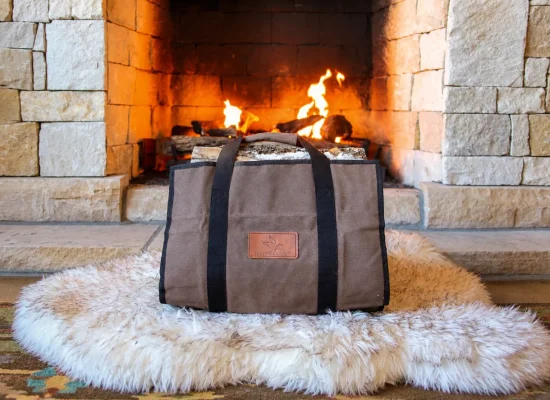
Tote your camping accessories in a canvas bag, that way they will stay dry and sand-free, saving all of your materials from wear and tear caused by moisture, wind, and rubbing against rough sand particles. When it comes to useful accessories, consider bringing your firewood along in a log carrier to keep it dry. This is super important when it comes to coastal camping, as ocean mist is persistent on the beach and a solid thunderstorm is not an uncommon nightly occurrence.


No Comment! Be the first one.