

This summer, get ready to pitch your tent in the sand and roast marshmallows over a bonfire– we are going beach camping!
Table Of Contents
There is nothing quite like falling asleep to the sound of the waves and waking up to play along the shoreline, explore sand dunes, and swim in the water. If you’re lucky you might even see some unusual wildlife! The beach is a whole other world in and of itself– and you can experience that up close and personal.
A sensitive ecosystem
Camping on the beach may feel separate from being immersed in the woods and forests like traditional camping. But do keep in mind the ocean, lakes, and rivers– any shoreline you find yourself on– operate in a delicate balance like all other natural environments. Beaches are teeming with life that we can and can’t see, so the way we take up space on them matters.
Environmental & Seasonal Changes
Depending on the season, year, or just by chance, some shorelines experience different environmental shifts that may prohibit or change beach access for a time. Things like a red tide, sea turtle hatchlings, animal mating seasons, etc. could all change the status of whether or not it’s a good time to camp at that destination.
Picking a location
On that note, the delicate ecosystem paired with unpredictable weather conditions and rugged landscapes not all beaches are, well, camp-able. So when deciding where to go, do ample research on suitable spots, state parks, blufftops, etc. Note where you can find natural windbreaks or possible shade. Some areas have designated campsites either in a lot with RV and van parking or in grassy tent spots with a few amenities.
In the continental United States, both coastlines have incredible beaches to choose from, each region with its own distinct geographical features. The West Coast in particular is well known for its continuous stretches of rugged natural beaches spanning from Washington all the way down to California. The East Coast has some pristine sandy beaches to choose from along the Carolinas, Georgia, and Florida.
When picking your destination, look for a spot that is flat and sheltered from the wind by perhaps driftwood, shrubbery, or trees. You can get advice from previous campers in the area, and use hiking and trail guides to help you identify a good spot.
Rules & Regulations
Every beach is unique. Ranger stations will have all the info on that specific shoreline regarding bonfires, camping, fishing, etc. Before you leave, check if you are in need of any special pass or licensing to gain access to your beach of choice.
Understanding the landscape of beaches
Tides
Learn to track the tides with a tide chart! There are two high and low tides in a 24-hour period that can vary. Learn where the high tide line tends to be– this is the highest point where water comes up on the beach. With the tides come great currents, as well as a whole host of sea life! Setting up camp further back on the beach is not only ideal for you and your safety, but also helps protect sea life coming up to shore as well.
Dunes
They’re not just random piles of sand! Dunes form because of wind patterns across the area. Dunes act as an important component of the beach ecosystem. They act as a protection from the elements, habitats for animals, and nesting areas for sea turtles and some shorebirds.
Check the Weather
Weather on the water can be intense– especially with limited natural protection. Winds and rain travel quickly over open horizons. Heat and sunlight on the water can be equally as intense. Be up to date and prepare for anything! Pack extra layers of waterproof and wind-resistant clothing, as well as cozy wool layers.
Swim Safety
Okay, even if you’re not initially planning on getting in the water, this should be essential to understand before even camping near the water. You never know if in case of an emergency, you find yourself in a rip tide, or if a fellow camper needs help! Remember, if you see others being irresponsible in the water, don’t be a bystander! Keep yourself safe while also being able to correctly inform others of safety measures. Check with rangers about possible dangerous currents, and have a basic ability to swim and tread water.
Leave No Trace
As always, Leave No Trace principles apply! Anytime we find ourselves taking up space outside, it is our responsibility to be good stewards of the earth! Check-in with the ranger station about what specific measures you can take to be a more responsible steward of the beach you’re visiting!
What Gear to Bring
You can stick to the 10 essentials of camping, with the addition of a few extra items and hacks that will come in handy on your salty endeavor.
Tent
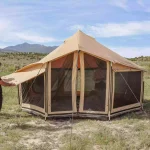
As always, let’s start with a plan for shelter. What kind of tent shelter is suitable for seaside dwellings? Something durable, waterproof, and low profile in the wind. Smaller canvas tents that have been treated for UV protection and waterproofing are great reliable options. You can even find some lightweight nylon tents that have been designed for high winds and staking in the sand.
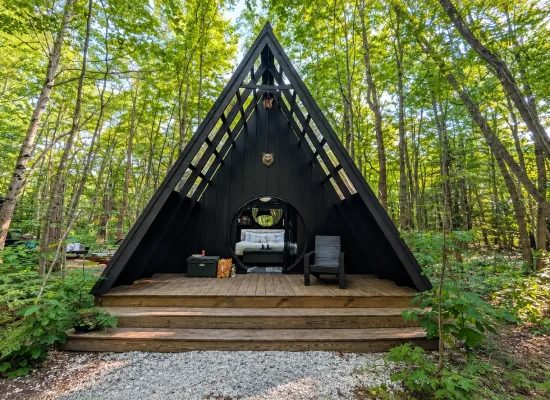
If you’re planning a more relaxing beach getaway, setting up a glamping tent a little further from the sand is a lovely idea. Bluff sides, cliffsides, and grassy areas all make suitable spots for larger glamping or cabin tents.
Tarps
Keeping your beach campsite clean is all about sand control and water resistance. Multipurpose tarps are a great solution to this! Bring one to use as a tent footprint, another to use as a rainfly, and an extra for picnics or laying out wet equipment, like fishing poles, to dry.
Weights & Anchors
There are a few different methods to effectively lock down your tent and tarps in the sand. Rock stacking or dead manning are a couple of ways to anchor stakes in loose sediment. Digging deep holes and using sandbags as a way of weighing the stakes into the ground and keeping guylines taut.
Firewood
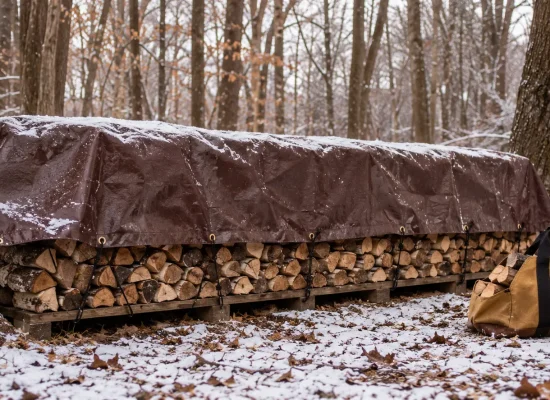
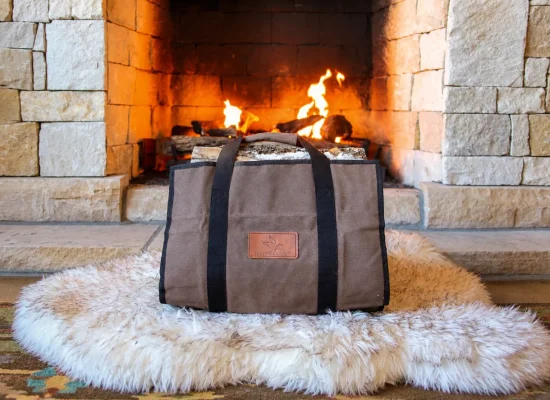
A firewood carrier is an absolute must. Successful long-lasting fires burn from dry wood, and considering you’ll be getting your fair share of mist from the salty air, you’re going to want to take measures that keep your firewood dry. Bring along a canvas log carrier! It’ll keep firewood dry, stacked, and out of the way.
Cooking equipment
You can pretty much stick to your regular camp cooking and go to equipment. Remember to keep things all organized in sealed containers or bags to keep moisture and mildew at a minimum.
Bring extra fresh water. Like, much more than you think you’ll need. Being in and around saltwater and the sun dehydrates you very quickly. And of course, don’t forget your fishing poles! Being so close to the water, and if regulations allow, you might be able to catch your own dinner.
Sun Protection
Sunlight reflects off the water– which means UV rays do too. So as a general rule of thumb, anticipate the sun to be two times stronger than you think it will be. Prepare accordingly! Ample sunblock, wide brim hats with a strap (so you don’t lose it to the wind)
Transportation
Wagons! Wheels! Trekking through sand is a workout, and added weight and cumbersome equipment certainly don’t help. Bring wagons to help with easy transport.
Camping at the beach is an incredible experience you don’t want to miss out on. With the ever-changing tides and weather, the view and landscape always have something a little bit different to offer. There are endless opportunities to view all kinds of wildlife, experience making memories around a bonfire, and perfect the skills of pitching your tent in the sand. With the right preparation and mindfulness, beach camping is the perfect addition to your summer plans. Planning your ultimate beach camping trip starts now!


No Comment! Be the first one.