
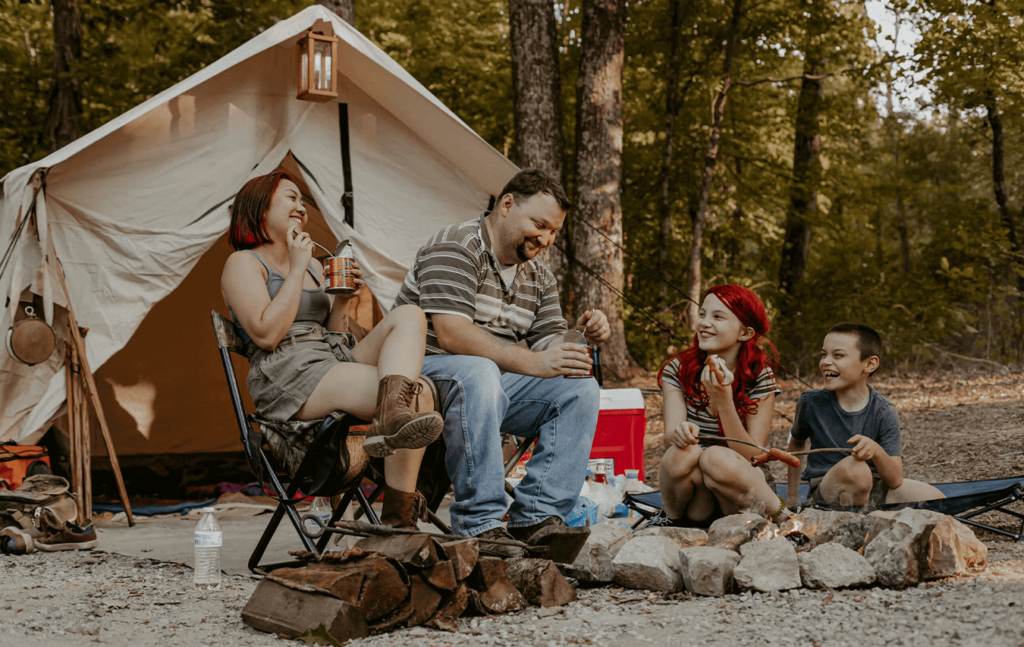
One of the greatest joys of camping is the opportunity to connect with the outdoors in a more intimate way than in your everyday life. When camping, you’ll be performing much of your normal daily routine outside. That means sleeping, cooking your meals, exercising, and more, all amongst the beauty of nature.
Table Of Contents
Seasoned campers know that the kitchen is likely to be where you’ll spend the most time while at camp. After all, most of us eat three meals a day, and it takes time to prep, cook, eat, and clean up. But when you’re cooking at a campsite, there are a few obstacles that will make it a bit more complex than it is at home. Whether it be the lack of electricity, the weather, and elements, or the constraints of packing space and storage.
A successful camp kitchen keeps these hurdles in mind and works around them to ensure an efficient and functional setup. When planning your outdoor kitchen you’ll want to focus on three main areas: food prep and storage, the setup of your cooking station, and the space you’ll be enjoying your meals. Read on to learn the ins and outs of these areas of focus and learn how to set up a camp kitchen for the perfect outdoor cooking experience.
Food Prep and Ingredient Storage
Prepping and storing your meal ingredients is step one in creating a successful camp kitchen. Because there are a ton of moving parts in an outdoor cooking setup, it’s essential to stay as organized as possible.
Before you leave for your trip, put time aside to create a meal plan. Note the recipes you’ll use for every meal of the day and the ingredients and supplies you’ll need to cook each one. Since you won’t have access to a refrigerator and will have limited cooler space, try to pick meals with minimal perishable ingredients. It’s important to note that camping can often be an intensive adventure, and you’ll likely be staying active with common outdoor activities like hiking and swimming. With this in mind, prioritize healthy meals, as well as recipes that are high in carbs and protein. This will ensure your energy levels stay high and you’re feeling your best. Of course, diets are individual, so fine-tune your meals to your unique needs and preferences.
With your meals now established and your grocery shopping done, it’s time to prep your ingredients. Whether that means pre-chopping vegetables or pre-portioning your ingredients, any preparation you can get done before leaving your home will make your life easier at camp.
When it comes to storage, keep in mind your meal plan timeline when packing. Plan to eat your perishable items as early in your trip as possible to avoid spoiled ingredients. To optimize your workflow in the kitchen, pack your ingredients in the reverse order you plan on eating them. For example, if your first meal at camp is going to be rice and beans and your last meal is going to be ramen, pack your ramen at the bottom of your storage container and your rice and beans at the top. This organization method makes your ingredients super easy to access and makes cooking more efficient overall.
Once you’re at camp, be mindful of where you store your food. Ideally, food should be stored away from your sleeping area, like in your car, and not in your tent. This is a precautionary measure that helps you avoid attracting insects, critters, and even predators like bears to your tent. If you are camping in bear country, it may be necessary to take extra steps, like storing your food in bear boxes, to stay safe.
Setting Up Your Camp Kitchen
The basics of a camp kitchen include identifying a heat source, creating a shelter, erecting your work surface, and dedicating an area to clean up.
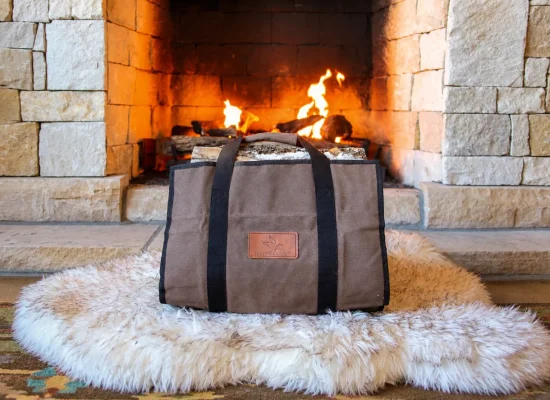
There are a variety of heat sources to choose from for outdoor use. Your choice will ultimately depend on how light you’re hoping to pack. For those counting on saving space and lightweight options, portable gas stoves will be your best bet. A little heavier but still relatively portable are your standing grills. If you’re looking for a sturdier, more long-term option, wood-burning tent stoves are perfect for canvas wall tents. For those seeking a more traditional cooking route, grab your firewood log carrier and get your campfire started!
Shelters aren’t necessary, but they’re definitely a nice-to-have when cooking in outdoors. Whether it’s protecting you against the beating sun or a light drizzle, overhead protection will make cooking in the elements a little less stressful. For tent stove users, your shelter is already taken care of. For portable stove and grill users, however, you may want to erect a makeshift shelter away from your tent. Invest in a few heavy-duty tarps before your trip and hang one from the surrounding trees to create an overhead shelter over your cooking station.
Your cooking station will need at least one table for any onsite ingredient prep and general cooking space. Foldable plastic tables are ideal as they’re simultaneously sturdy and lightweight, as well as being easily packable.
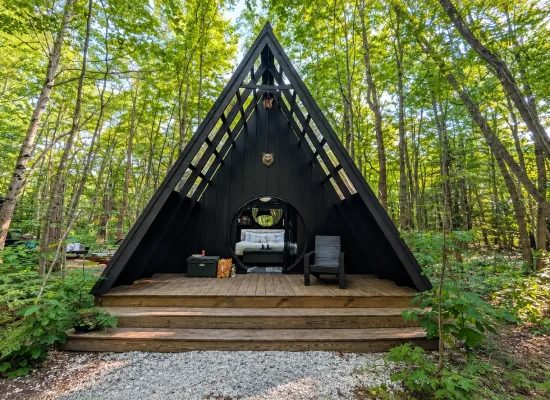
Once your cooking is done, you should also consider where you’ll enjoy your meal. Does your campsite have a picnic table, will everyone just pull up a seat around the campfire, or will you bring a dedicated kitchen table for a more traditional dining experience? If you’re glamping in a yurt tent or another shelter of the like, you may have ample space to eat in the comfort of your tent. Whichever arrangement you choose, make sure it’s easy to keep your plates elevated to avoid unwanted critters and bugs from enjoying your meal with you.
The Ultimate Camp Kitchen Packing List
It can be a bit daunting to pack up your entire kitchen and bring it with you on your camping trip. Luckily, you can get away with just packing the essentials. While the exact supplies you’ll need will depend on your ingredients and meals, there are a few basics everyone will need.
No matter your meal plan, be sure to bring these camp kitchen supplies:
- Stove or grill with fuel
- Lighter or matches
- Heavy-duty tarps
- Firewood log carrier
- Cooler with ice packs and ice
- Bear storage bags
- Tin foil and saran wrap
- Food storage containers or plastic baggies
- Cooking pot(s) and pan(s) with lids
- Strainer
- Pot holder
- Folding table with tablecloth
- Cutting board
- Cooking utensils (measuring cup, measuring spoons, stirring spoon, sharp knife, spatula, tongs, whisk, skewers, scissors)
- Bottle opener, can opener, and vegetable peeler
- Coffee supplies
- Silverware (spoons, forks, knives)
- Plates and bowls
- Mugs, cups, and water bottles
- Water jugs (if there’s no potable water source nearby)
- Trash and recycling bags
- Dishwashing tub
- Biodegradable soap and sponge
- Hand towels or paper towels
- Cleaning spray or antibacterial wipes
- Meal plan ingredients
- Spices, oil, butter, and condiments
- Headlamps, lanterns, and extra batteries
- Supply storage containers
Leave No Trace
The number one rule when enjoying the great outdoors is Leave No Trace! This, of course, applies to your camp kitchen. Be sure to dedicate a space in your campsite for cleanup. Bring along a dishwashing basin, water, biodegradable dish soap, and a sponge to create a makeshift kitchen sink. At developed campsites, you’ll find grey-water disposal areas for your sink water. Always opt for biodegradable cleaning supplies to minimize your impact on the environment.
Cooking can also create a lot of trash, so be certain to dispose of it properly. Pack trash and recycling bags and always throw out your waste. This includes everything from dirty paper towels to the cores of your apples. Even natural items like fruit waste can cause harm to the ecosystems around you, so do your part and throw them out! Many campgrounds will have garbage and recycling bins for visitors’ use. If not, be sure to pack out your trash and dispose of it when you’re able.
Wrapping It Up
Bringing the kitchen outdoors is easier than it looks with the right tools at hand. With the amount of time you’ll inevitably spend in your camp kitchen, you’ll want to make sure it functions well and meets your needs. A successful outdoor kitchen starts with thoughtful meal planning, ingredient prep, and careful storage of your food. Once you get to camp, you’ll want to set up your heat source, protect your kitchen overhead, build your cooking station, and dedicate a place to enjoy your meals. While your camp kitchen may not have everything your at-home cook space does, you’ll want to remember to bring the basics to cook like a pro outdoors. When all is said and done, remember to clean up as you go. Respectful campers always remember to leave no trace, and that extends to your campsite kitchen. With these tips in mind, you’re ready to enjoy the unique experience of cooking and dining in the wild.


No Comment! Be the first one.