
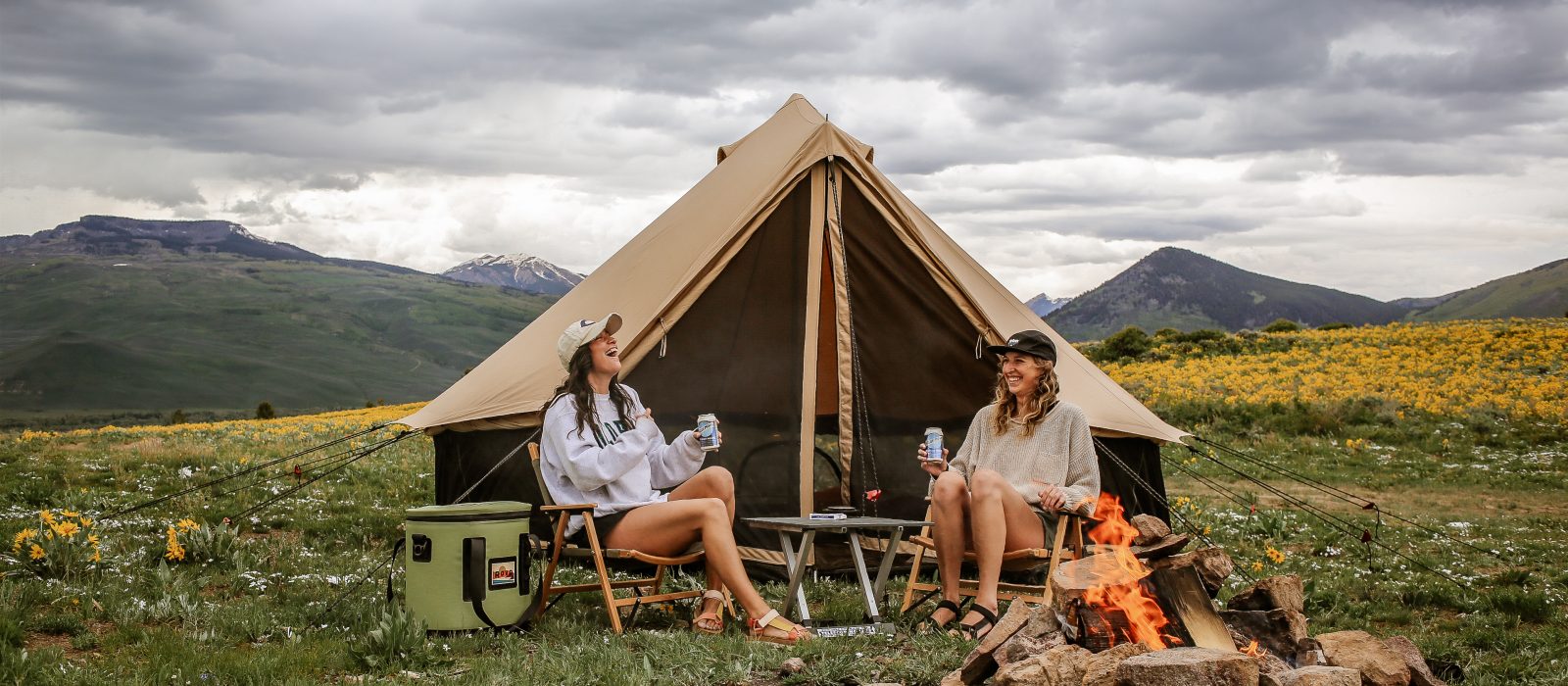
Just because you’re not a professional outdoorsman doesn’t mean you can’t camp like one. Camping like a pro comes down to one main principle: preparation.
Table Of Contents
Pros know that half of the hard work comes before you ever step foot on your campsite. Whether it’s doing your research on your destination or taking inventory of your gear, there are important steps to be taken before embarking on your adventure. Lack of preparation leaves you vulnerable to the elements and could come between you and your ability to enjoy your camping trip.
Planning ahead ensures you’ll stay comfortable, safe, and satisfied in the wilderness. But what does sufficient camping preparation entail? Dive in to find out!
Make Campsite Reservations
Unless you plan to pull up to a first-come, first-served site, you’ll need to make reservations for your campsite. How soon you’ll need to book will depend heavily on your destination and the time of year. If you’re traveling to a high-traffic park during peak season, you’ll want to reserve your spot as early as possible. If you plan to camp at a less popular destination or during the off-season, you’ll have a little more flexibility. Either way, plan and know when to book!
Securing your campsite first is a pro-move, as it will inform the rest of your preparation. Make a note of things like campsite size, amenities available, cell reception, weather patterns in the area, and local wildlife. These factors will help you decide what size tent to bring, what supplies are necessary, and how to prepare for every scenario.
Stay Weather Aware
Once you’ve settled on your camping destination and the month you’ll be visiting, it’s time to do preliminary research. A quick Google search can inform you of normal weather patterns for the time of year at your location. Find out temperature averages, and if the season is particularly wet, dry, snowy, icy, or stormy. This will give you a sufficient idea of the necessary camping gear, shelter modifications, and clothing you’ll need to bring.
When considering the weather, pay special attention to your shelter choice. The camping tent you pick will make a big difference in your comfort during various weather conditions. If you’re only going to invest in one tent, it’s advised you pick one that withstands a range of conditions. Canvas tents are the obvious choice for this, as opposed to nylon tents that do very little to provide comfort in the heat, cold, and wind. Plus, most canvas tents for sale on the market are much more durable than their synthetic material counterparts. While it’s sometimes tempting to go cheap, the quality of your shelter is not something you want to compromise on.
In the week and days leading up to your trip, regularly check the forecast and make adjustments to your packing list as needed. Weather changes quickly, so be prepared for the most likely possibilities. For example, even if the forecast isn’t calling for rain, it’s smart to bring rain gear to a destination that is known for abrupt changes in conditions. Stay aware, and stay prepared!
Learn Local Wildlife Safety
You’re voluntarily, and without invitation, stepping into the home of a variety of wildlife when you choose to go camping. The animals you may stumble upon will vary depending on the location and season, so do your due diligence researching the critters you might run into on your trip. No matter how cute that black bear cub looks, encountering dangerous wildlife is no joke, and it shouldn’t be taken lightly.
How to safely navigate an encounter depends on the animal at hand. There are a plethora of resources to help handle these situations, and keep you and your loved ones out of harm’s way. Check out these Wildlife Health and Safety Tips from the National Park Service for expert advice on the subject.
Whatever wildlife you find you’ll need to take precautions for, be sure to add the necessary supplies to your packing list. Whether it’s bear spray, animal-proof food storage, devices like whistles, or even a simple wildlife guidebook, it’s better to be safe than sorry.
Plan & Prep Your Meals
Planning your meals before arrival will result in more efficient packing and reduce your workload once you’re at camp. Make a list of every meal you plan to have on each day and record the ingredients and cooking supplies necessary for each.
Prioritize recipes that require few ingredients, few perishables, and few utensils to make. Even better if all of your meals require many of the same ingredients to further cut down on your shopping list. There are a ton of ways to simplify meals while camping like cooking one-pot recipes and preparing foil pack meals. If you’re new to camping, foil-pack meals simply refer to recipes that you encase in foil and heat over a stove, grill, or campfire. This is an especially convenient way to cook flavorful protein on the go and without the mess. Check out a few of the best foil-pack meal ideas below.
Foil-pack meal ideas:
- Chicken breast with broccoli
- Salmon filets with asparagus
- Deconstructed Philly cheesesteaks
- Roasted potatoes
- Shrimp boils
- Chicken fajitas
- Loaded nachos
- Sausage, onions, and peppers
If possible, prep any ingredients you can beforehand. This might mean pre-cutting ingredients, pre-portioning servings, or putting together those foil packs. Anything you can do before you leave, you should.
Once your meals are covered, don’t forget your snacks! Be sure to bring snacks like granola bars, trail mix packs, dried fruits, and jerky. These are great for daytime excursions away from camp, like hiking, fishing, or kayaking.
Whatever you do, be sure you have enough food to last you for the duration of your stay. Many campsites are located in remote locations, which could make it difficult for you to replenish your supply mid-trip. Even if your site is just on the edge of town, you don’t want to be wasting a portion of your trip running an errand that could have been completed before you left.
Take Inventory of Your Camping Gear
Thoughtful gear selection is essential to a successful camping trip, so it’s important to be thorough in your packing. With campsite, weather, wildlife, and meal preparation done, it’s time to take inventory of your camping gear.
Make a master checklist of everything you’ll need, and cross it off as you go. The exact supplies you’ll need will vary based on your trip specifications, so be sure to rely on all the research you’ve done up until this point to ensure you cover all of your bases. To get started, refer to the list below of the camping essentials every pro brings.
The Essential Packing Checklist for Campers:
- Camping tent
- Extra pillows and blankets
- Multipurpose tarps
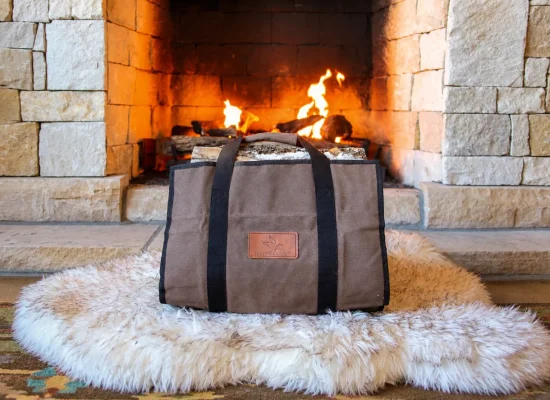
- Camping bags
- Pro-tip: pack your belongings in high-quality camping bags to easily transport your gear in and out of camp.
- Sleeping bags
- Camp chairs
- Folding table
- Ingredients for meals
- Cooler with ice or travel fridges
- Camping stove with fuel
- Dishware and cooking utensils
- Reusable water bottle
- Travel-friendly water filter
- Clothing and technical gear
- Toiletries
- Insect repellent
- Sunscreen
- Fire logs and fire starter
- Campsite tools including a multitool and mallet hammer
- Flashlights with extra batteries
- Portable charging stations
- Navigation tools including a compass and maps
- Pro-tip: never rely solely on your smartphone for navigation in the wilderness. Your device could easily lose power or lose service, leaving you stranded. Know the area you’re in and always come prepared with ample navigation gear.
- First aid kit
- Cleaning supplies like rags, paper towels, and toilet paper
While this will rarely serve as your entire packing list, it should be a sufficient start to cover your essentials.
Practice Pitching Your Tent
Pitching your tent before you leave is especially important if you’re a first-time camper or have recently purchased a new tent. Practice in your backyard or living room (provided you have the space) to ensure you understand how to properly set it up.
Arriving at camp can come with a lot of stressors, whether you’re trying to beat the sunset, dealing with bad weather, or navigating another roadblock. Pitching a tent while flustered will be a challenge if you don’t already know the steps you need to take, so take the time to run through the steps ahead of your trip.
Aside from streamlining setup, this step also serves as an extra check that you’re not missing any pieces, like ground stakes. You should always peek inside your tent bag to confirm every component is present, but pitching the tent gives you that extra reassurance.
It’s Time to Camp Like a Pro
At the end of the day, what sets a pro camper apart from an amateur is the amount of preparation they’re willing to undertake. Book your reservations, be aware of weather conditions, learn wildlife safety, make a meal plan, pack your gear, and practice pitching your tent. Remember, it’s always better to be over-prepared than under-prepared. With careful research and proper planning, you’ll be fit to camp like the pros.



No Comment! Be the first one.