


Camping has been a staple recreation for many people. Others may look at it and wonder if they can pull it off by themselves without ever experiencing it before. If you have found yourself curious about the great outdoors, camping is a great way to start.
Table Of Contents
1: Reconnect With Nature
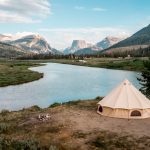
Most campgrounds are the most beautiful places on earth. Hiking along a mountain, and discovering hidden meadows and lakes are things you only read about in books. With camping, you can live it.
Camping is mentally and physically stimulating. Your body is soaking in the fresh air and exerting more as you complete outdoor daily tasks by hand. Your mind is listening for new patterns like the soothing rhythm of rushing water and birds chirping in the morning.
As brutal as nature can be, it welcomes all. You are free to explore as far as the eye can see.
2: Unplug
Another great reason to go camping is that it is perhaps one of the few avenues where you can practice digital detox. Leave your tablets and devices at home. Once you set up your tent turn off your phone and keep it in a safe place; either your car or a campsite locker.
By changing your routine you are getting a break from the 9 to 5 grind of your job. Without a device, you don’t have to stick to a desk or hunched down at your phone screen. This reinvigorates your mind and body.
Camping also makes unplugging easier. You have so many activities to do that you rarely think about checking your phone. This is also a great time to bond with family. Bring your family along to spend some well-deserved quality time with them without distractions.
3-You Realise You Are All You Need
Camping can instill the value of self-reliance. You feel more confident in life knowing that even when you are alone you can take care of yourself. The way camping reinforces this idea is that the activity itself requires minimal items. You don’t have to invest in anything premium or even pack more than what you need. On top of that, you have to spend every day exploring and hiking. You practice problem-solving every day. You will do all these feats and know that you are strong as an individual.
4: Peace and Solitude
Even with your own solitary space, the noise of the city, the people, and the constant buzzing of notifications and alerts can add up to noise pollution. Everyone deserves some time away from the bustling crowds where their ears and brains get a break from the constant background noise.
The peace you experience from camping can be refreshing. It helps you focus and you return to your daily routine healthier.
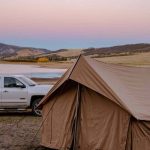
Your camping tent can make a huge difference here as well. If you are canvas tent camping, you will be comfortable in all that space a large canvas tent offers. Outfitter tents are well ventilated which means there will be adequate airflow so you can use your tent for more than just parking your sleeping bag at the end of the day.
5: Reduce Stress
There are no traffic jams in camping, school drop-offs, or work deadlines. You wake up to the morning sunlight instead of a raging alarm tone. Camping exerts physical energy but it does not demand that you do a lot in little time. As a reward, you receive fresh air, beautiful scenery, and a break from blue light. One study discovered that you can have a more peaceful night’s sleep when you are camping away from a crowded city, and even reset your biological clock if you have trouble setting a time to sleep.
You don’t have to take an extended break to go on a camping trip. You can pack your tent and take a camping trip over the weekend. Camping is more affordable than lavish vacations and an excellent use of your free time.
Camping Tips for Beginners
The Right Gear
You will require a tent kit, sleeping bags, apparel, and portable cooking equipment. There is no one-size-fits-all when it comes to your gear. The tent you pick should depend on how much space you need and the weather you will be camping in. Your apparel should be quick-drying, and comfortable. Your primary pair of shoes should be a pair of hiking boots.
If you are camping in cold weather you will need sleeping pads in addition to sleeping bags so they can add an extra layer of insulation between you and the cold ground. If you imagine yourself lounging and appreciating the landscape you should also get a foldable outdoor chair.
Don’t settle for cheap equipment. You want your shelter and gear to be reliable and safe. If the gear you need doesn’t fit into your budget you can always get secondhand items.
Camping Style
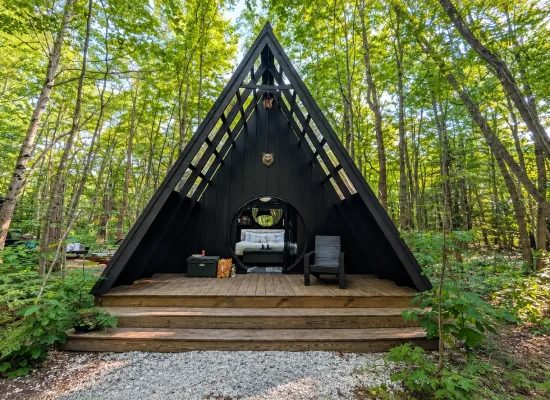
Determine what your camping style is. Do you want to set up camp in a crowded commercial site? Do you prefer dispersed camping, or would you like to try glamping which is a hybrid of luxury and camping.
Practice At Home
If you have never set up a tent before, practice pitching the tent at home. This way you can repack it with the items you need first at the top. It will save you time at the campsite and you won’t have to keep referring to the instruction manual after every step.
If you are camping with children, try having a sleepover in your backyard in your new tent. This way the kids can get used to sleeping in a tent and won’t be overwhelmed during the camping trip.
Organize
You can be smart about how you organize things inside your tent. This is directly related to how you pack items. Use transparent boxes to pack everything from clothes to cooking utensils. Make sure you label the boxes by categories so similar items are packed together. The first benefit to this is that you can stack them over each other in columns and save floor space inside your tent. The second advantage is that you won’t have to dig into each box to find what you are looking for, you can simply open the box with the contents you see inside.
Campsite
Don’t pick a campsite that is way out in the woods. For your first time, you want to be close to landmarks and other campers so that you don’t get lost. Campers will follow a trail that is close to a road so they can use it in case they get lost. If you have chosen your campsite, remember to book it in advance and not when you get there.
Look up what is available at your chosen campsite. Sometimes you get access to free recreation activities and walking tours to nearby areas.
Pack What You Need
You need food but you don’t have to bring the entire coffee jar. Use ziplock bags to bring the food items that you know will last you for the duration of the trip. The idea should be that you take no food items back home with you. This will make it easier to pack up at the end as well.
Instead of bringing a laundry bag, use a portable shower to wash your clothes and save space in your bag. Don’t forget essentials like a rain jacket and outdoor boots.
Follow The Leave No Trace Principles
Minimize your impact on the camping grounds. Your goal should be to leave the spot as you found it. This means you should have bin bags in which you reseal all the items you use so you leave the ground clean. Don’t trim shrubbery and pull vegetation just to make a more accommodating camping spot for yourself.
Read About Your Campsite Restrictions
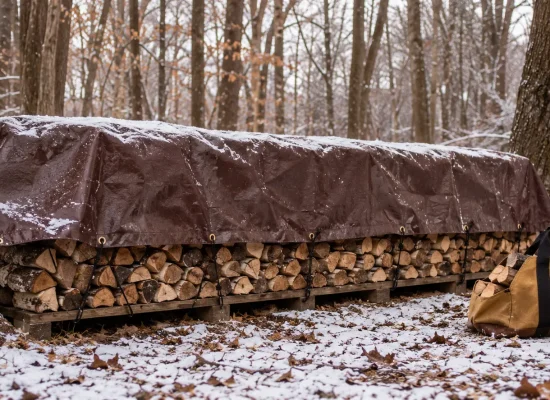
All campsites have some rules. Sometimes these rules extend to whether you can use the picture-perfect campfire. Restrictions on campfires are common in states that are prone to wildfires. You should inquire if a campsite has a built-in firepit that you can use and if they supply wood logs that you can use as fuel.
If you have never taken a camping trip before look up the many wonderful commercial camping sites across the country and choose one near you. You can also try dispersed camping which is camping for free. You pick a spot in one of the publicly owned lands where setting up camp is legally permissible.


No Comment! Be the first one.