


First-time campers embark on their first expedition with the promise of adventure, fresh air, and a chance to break from the daily grind. Camping can also be an experience where you bond with people and reconnect with nature.
Whether you are stocking on all of the modern amenities or roughing it with just the essentials, there is a method to the art of exploring the outdoors.
What To Pack
Start your trip on the right foot by making a list of everything you need to make your camping trip possible. What gear you would need and how much of it depends on the length of your trip, your mode of transport, and what activities you will be indulging in.
The Tent
As the biggest item this is justifiably the priciest thing on the list. As a novice, you probably don’t know how to get the bang for your buck. A large cabin tent is a popular choice for people who camp with families. But you want something that you can get the most utility out of. The canvas tent 4 season version is a great choice.
A wall tent is 10 feet high. Small wall tents are 8 feet high. You have plenty of headroom to move around the tent like you would in a hut. This makes it perfect for a group of people camping together. You can get dressed, prepare meals on the tent stove, and move around without bumping into things.
A wall tent is also a multipurpose tent and can be used for outdoor market booths, a backyard studio, etc. The best thing about this canvas tent is that you only pay for it once and it lasts you decades. On average a single canvas tent lasts 15 years. This is the reason why many campers use wall tents that were handed down to them by a family member.
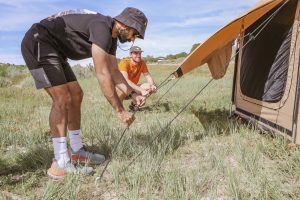
Tents crafted from army duck are resistant to tears and are mendable without you needing to replace the entire kit. They are simple to set up, and at White Duck Outdoors can arrive already treated for fire and water resistance.
A great way to kickstart your first experience of pitching a tent is to do a practice run at home. You can familiarize yourself with all the parts in the tent kit too. This way on the campsite you will know exactly how to progress without wasting time.
The Bed
With a wall tent, people install a bed and mattress so that they are elevated from the ground. You can also use a sleeping bag and save yourself the space while traveling. When purchasing a sleeping bag check for the R-value rating. The higher this rating the more it is suited for colder climates and vice versa. So choose accordingly.
Sleeping bags are manufactured in different sizes. Make sure that you buy one that is snug. This is because when it gets cold you don’t want the extra space in your sleeping bag to fill up with cold air. If you already have a sleeping bag but it is too large for your body size, stuff the bottom with clothes so cold air doesn’t get trapped.
Another accessory that you can get is a sleeping pad. Sleeping pads are placed directly on the ground and your sleeping bag or mattress goes on top of it. First, they create a smooth and soft surface for your bed, and second, they act as an insulating barrier. Sleeping pads also come with an R-value rating.
The Stove
Canvas tents have a stove jack where you can install your outdoor tent stove. These are typically wood-burning stoves with one or two burners. One burner is enough for you to make your coffee in the morning and prepare meals. With a stove, you don’t have to cook at the campfire and the stove warms up the inside of your tent like a fireplace.
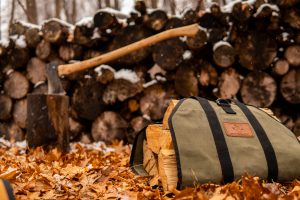
With your stove, you will need wood. Call your campsite and ask if they provide chopped wood logs on the premises. Most campsites do this. You will also need some matches and newspaper kindling to start the fire.
It is crucial that when using an outdoor stove, you follow the safety guidelines. Stoves don’t come with the tent kit.
The Food
Bring food enough for the number of days you will be camping. The ideal way about it would be to pack only canned food so you don’t have to refrigerate any of the ingredients. But if you are packing fresh food you will have to store it all in a camping cooler.
You also have to pack cutlery and cooking utensils. You may want to use single-use cutlery but you would don’t want to lug around the accumulated garbage bag at the end of the trip.
The Lights
A campsite will offer you a camping spot but not lights. You have to bring your lamps and lanterns. If you are sure that you won’t spend a lot of time inside your tent at night except to sleep a campfire will suffice for illumination. However, if you are cooking inside your tent, you need multiple portable lights that you can hang from your canvas wall tent frame.
The Clothes
This is an easy one. Pack according to the weather forecast and always take a rain jacket and hiking boots with you. If you are going to a waterfront campsite pack a swimsuit as well. Make sure you pack according to what you know you will wear every day of your trip. This way you won’t take extra clothes that will take up space in your bag.
Pack an empty bag that you can fill with dirty laundry so you don’t mix clean clothes in your bag with the dirty ones.
First Aid Kit and Toiletries
Pack your toothbrush, deodorant, toilet paper, and soap. Add a bug repellent and a good sunscreen to your first aid kit. If there are people in your party who have allergies or prescription medication, double-check the first aid box before you leave the house.
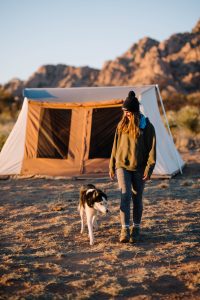
Choose Your Campsite
Whether you want to book a spot at a popular campsite or try dispersed camping, you have to do your research on what each location offers.
Things that a campsite can offer include WiFi, bathrooms, fire rings for campfires, water access, electricity outlets, and recreational activities.
Dispersed camping is camping without paying for a camping spot. You will find such campgrounds in National Parks and other public land. These spots will have no amenities.
Remember to not pitch your tent too close to a water source like rivers and lakes.
The Campfire
No camping trip is complete without a campfire. Campfires look like they are easy to create. But a bit more goes into making a safe campfire than just burning a bunch of logs.
The basic items you need to start a campfire are logs, matches or a lighter, and a material that will act as kindling. Build a small pyramid with shorter logs. Place kindling all around it, like pieces of newspaper, and burn the kindling. Once the logs catch fire, place larger logs around this conical shape.
Campfires are difficult to maintain. Wet logs and wind are the biggest obstacles. Don’t start a campfire anywhere, campsites will have designated fire rings.
When you are ready to extinguish the fire, you can use either water or sand as extinguishers. When you douse the logs with water, first spread out the logs with a poker. A buried log with a small ember can turn into a large fire overnight.
Steer Clear Of Wildlife
The best way to avoid bears crashing your campsite is to remove all food after you are done with your meal. If you have brought food with you from home, don’t leave it in your tent. Lock all food in your car or the camp lockers. Buy a bear spray but also practice caution when confronting a wild animal. Before a situation escalates scare any curious animals with sticks and rocks or by making loud noises.
Leave No Trace
Practice the Leave No Trace principles from your very first camping experience. It takes very little to make sure that you leave your camping spot clean with no impact on the environment.
And there you have it, a guided checklist on how you can begin your camping journey. The type of gear you have can make or break your trip. Start with investing in a quality shelter. Look up our tents for sale, in particular the bestselling canvas wall tent.


No Comment! Be the first one.