
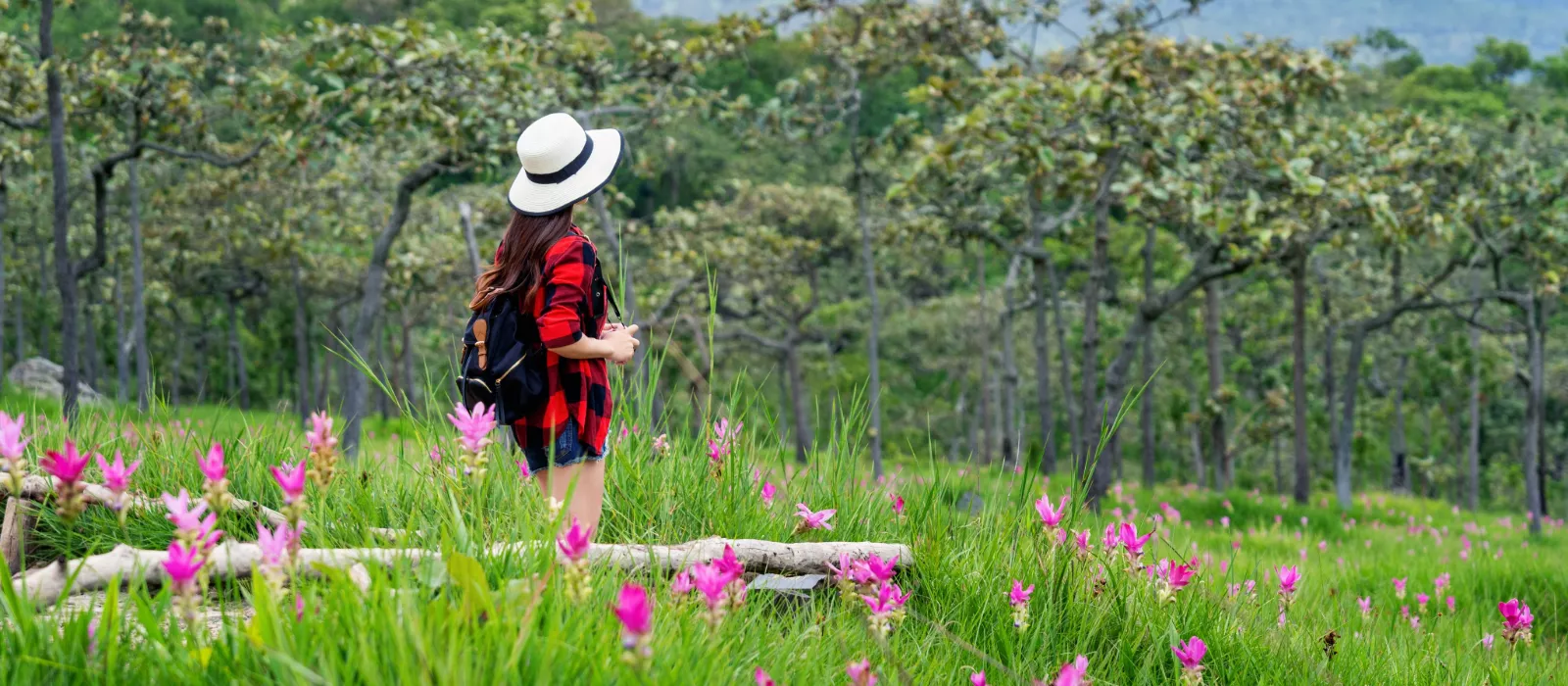
The sun is out, birds are chirping, and trails are open! This is the most beautiful time of year to get back outside and enjoy nature waking up. It’s time to start planning the ultimate backpacking trip to ring in the season.
Table Of Contents
Spring is a time for fresh starts. For cleaning, minimizing, and starting anew. Backpacking is a mental and physical challenge in living off the necessities. It’s a practice in simplicity and reconnecting with nature. We’re so excited to get on the trails and start fresh!
This time of year is also notoriously unpredictable. That makes it one of the trickiest times of year to plan a trip outdoors– let alone a backpacking trip. Here are our best tips and tricks for spring backpacking! Prepare for a successful and sustainable trip. We’ll cover the Ten Essentials, what gear to bring, how to be prepared, and more.
What To Know Before You Go
Spring is full of surprises. As you prepare for your awesome backpacking adventure, there are a few things to keep in mind. Be on top of weather awareness, trail conditions, and more.
Keep an Eye on the Forecast
Spring will be sunny one minute, then rainy the next. Be as prepared as possible by staying in the loop. Check the forecast constantly leading up to your trip and the day of. This will inform what layers you should be wearing and what gear should be accessible to you from your pack. Backpackers should be extra aware that they are subject to any kind of weather! Especially off the beaten path with minimal crowds.
Check the Trails and Know Your Route
Trails, naturally, shift and change with heavy weather. So, after the winter, springtime trails may look a little different. Erosion, rock slides, snowmelt, and more have affected the conditions over time. Not to mention mud, mud, and more mud. And leftover ice. So, bring trekking poles, gators, spikes, and whatever will help you manage your footing.
Map out your routes before leaving home. Download offline maps, the most recent reviews on AllTrails, or other hiking forums. Try to gather as much information as possible about trail conditions.
Backpacking Gear Checklist
Let’s talk about the basics of backpacking! From the backpack itself to shoes, tents, and more. Backpacking means you’ll be carrying everything on your person. The weight of the gear is of extreme importance. You don’t want to overpack and exhaust yourself. But you can’t risk underpacking and find yourself in a pinch! Here is your quick checklist of backpacking essentials. Fine-tune them to your preferences, and keep the season at the top of your mind!
Backpack
The whole point! Technical backpacks come in all shapes and sizes. Focus on capacity, features, and fit. Depending on how long you’ll be gone, you may need anywhere from 30 to 70 liters of capacity. Obviously, extended trips will require more gear. Features like breathability, pockets, zippers, pack access, and more are things you’ll want to pay attention to. Waterproofing in the spring is especially important. Look for packs with a rain cover attachment. It’s a rainfly for your pack!
Some outdoor retailers will do a complimentary backpack fitting. That way, you can get to know how a certain pack feels on you before purchasing. Check out this guide from REI to help you understand backpack fittings!
3-Season Tent
Don’t give up on your winter gear yet! We’re going to keep drilling into it– spring is unpredictable! Temperatures can drop quite low at night, and storms can roll in with little notice. Ensure your shelter is a 3-season tent at least. This means it should be suitable for everything from hot weather to freezing temperatures. With waterproofing capabilities, ventilation, and insulation, you’ll be set for comfort. A multi-season tent is strong in high winds and heavy weather. Select a tent that’s simple to set up and strong enough to handle the elements.
Proper Footwear
You will be on your feet a ton! Your footwear is one of the most important pieces of gear you take on a backpacking trip. Think about it: if your shoes give out while backpacking, you’re pretty much down for the count!
Bring footwear that is comfortable, functional, and technical. A fully waterproof shoe is perfect for spring trails. Expect to trek through mud, puddles, and ice. Gators come in handy when crossing streams, too. A waterproof book is also insulating! Pair with your favorite wool socks, and you’ll have comfy feet the whole way. Shoe repair items like glue come in handy! Add some to your repair kit.
Rain Gear
We’ll double down on this once again: waterproof layers will be your best friend on this trip! For yourself, bring a waterproof outer shell. Ensure your shoes are waterproof, too! Bring gators to help with mud and puddles. Your backpack is rain-ready with a waterproof rain cover attachment. Don’t forget your rainfly and tent footprint. You should be all set for a dry, safe, and warm trip.
Cooking and Kitchen Supplies
Having a little cooking setup is essential to your backpacking experience. Bring a single-burner stove and fuel. This will be your reliable way of boiling water and cooking meals. Minimal cooking gear, like one or two pots and a set of utensils, is plenty. Nourish yourself with hearty, warm meals!
Extras
It doesn’t end with the gear! You can have all the odds and ends in the world and still find yourself surprised out on the trail. And the reality is, the trail will surprise you. There’s no way to prepare for every little thing nature will throw your way. But there are other things to be aware of that will absolutely help you out. Things like checking off your Ten Essentials, being keenly aware of wildlife, and more!
The Ten Essentials
Every good camper should know their Ten Essentials! Consider these the building blocks to an outdoor adventure. You can alter these to make them more backpacker-friendly. Go for lightweight, multipurpose items.
- Navigation
- Sun Protection
- Insulation
- Illumination
- First-Aid
- Fire
- Repair Kit and Tools
- Nutrition
- Hydration
- Emergency Shelter
Pack In, Pack Out
To pack in and pack out means to be responsible for your waste. On a backpacking trip, you will be carrying everything yourself. So you’ll have to get creative with solutions for carrying human waste and garbage! Even food waste that you think is biodegradable sometimes takes months to years to break down. Know where and how to dispose of waste, and designate a bag or container for garbage. It’s simple: what you pack in, pack it out! Adopt this tenet and help contribute to cleaner, healthier trails.
Leave No Trace
Leave No Trace principles are the building blocks of sustainable outdoor recreation. Especially in the spring, when everything is refreshed and regrowing after winter. It’s crucial to preserve the natural integrity of an area. A lot of these principles have to do with self-awareness. Know the space you are sharing and taking up outdoors.
The principles are basic and easy to follow. They create a standard of shared stewardship when exploring the outdoors. The 7 key guidelines include:
- Plan Ahead and Prepare
- Travel and Camp on Durable Surfaces
- Dispose of Waste Properly
- Leave What You Find
- Minimize Campfire Impacts
- Respect Wildlife
- Be Considerate of Others
With these guidelines, you’re on your way to a sustainable and responsible backpacking trip! And now you can teach your friends along the trail to do the same.
Be Wildlife Aware
When you step outside, you are never alone! Animals of all shapes and sizes dwell in the natural spaces we seek out. Especially in the spring, bears and other animals are back from hibernation. Familiarize yourself with what species are native and active in the area you’re visiting. Especially predatory animals.
Remember to never approach, feed, or intimidate wildlife. Watch from a respectful distance, and don’t consider yourself the exception! Nature is as risky as it is rewarding. If an animal feels threatened, there can be severe consequences. Pack bear spray at least, and remember to seal and hide all food items.
And for the littler, peskier critters– don’t forget bug spray!
Time to Hit the Trail!
So you’ve got your backpack, 10 Essentials, 3-season tent, and hiking boots, and you’re ready to hit the trail! This spring, don’t miss the chance to spend quality time with nature. For all its unpredictability, backpacking in the spring is so worthwhile. Witness the signs of life from wildflowers to animals. Soak up the fragrant air and the quiet trails.
Set yourself up for a sustainable and practical trip. Investing in the right gear will serve you well along the way. A comfortable backpack, a reliable tent, shoes, and cooking gear. You can fill in the rest! Remember to have fun, be safe, and Leave No Trace!
Happy trekking!


No Comment! Be the first one.