
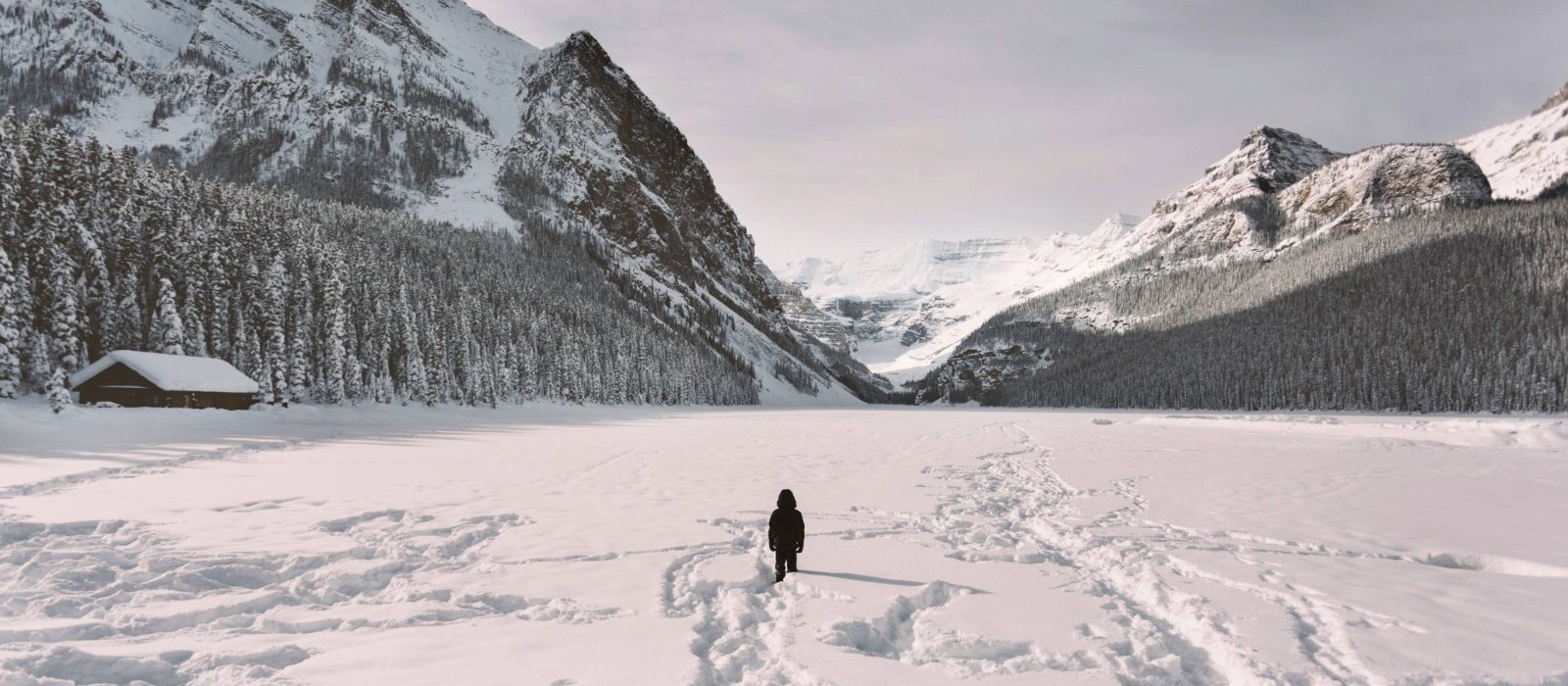
It seems that every summer, across the American West, people from all over the world travel for days and weeks and wait in the cruel summer heat, standing in lines under the baking sun, all for a chance to have a gaze at the incredible spectacle that are the National Parks. It makes sense. Most people vacation during summer months, warmer weather is usually preferred to be outdoors, but the splendor of the National Parks does not only come out in the summer months. Experiencing national parks in winter is not often a topic of discussion. But here are 10 parks you need to see in winter, and some necessary gear to enjoy some time there.
Table Of Contents
- Yellowstone National Park: Old Faithful is Old Reliable
- Yosemite National Park: The Cathedrals in White
- Rocky Mountain National Park: Embrace the Snow
- Grand Canyon National Park: The Granddaddy of ‘em All
- Bryce Canyon National Park: Where the Hoodoos Roam
- Arches/Canyonlands National Parks: Beauty in the Eye of the Rocks
- Sequoia and Kings Canyon National Parks: Giant Trees Under a Little Snow
- Death Valley National Park: A Quick Trip to Mars
- How to Take on the National Parks in Winter
Yellowstone National Park: Old Faithful is Old Reliable
Located in northern Wyoming, this might be the most popular national park in the world. It might not be the most visited, but especially after Kevin Costner starred in a popular modern Western by the same name, all parts of the globe know the name. It is also home to thousands of head of bison, breathtaking landscapes, and geothermal features that dazzle tourists of any age.
The large fauna here is incredible. Massive elk, wolves, moose, and bears will practically walk right up to your vehicle. Given the popularity of the park, these animals have become quite accustomed to humans and vehicles, being in their living space. This is, however, not a good thing. Stay in your car and keep your distance. They may be familiar with human presence, but the animals are by no means tame.
Camping is available around the park, but many of the roads close due to heavy snowfall in the winter. These closures begin on December 1 or around that time each year. So, plan ahead. The Old Faithful Snow Lodge is an awesome sanctuary, and snowmobile rentals are available.
Yosemite National Park: The Cathedrals in White
Another national park in winter, making a bid for the most popular park on earth, is Yosemite National Park. This park is home to enigmatic, sheer rock cliffs known as El Capitan and Half Dome. While this was the birthplace of sport climbing (rock climbing these miraculous cliffs with only hands and feet, using ropes for protection), there are many adventures and camping excursions available at nearly every turn.
Some of the roads do close for the winter season, as is the case with nearly every national park in winter. Glacier Point Road does close for vehicles, but becomes a popular playground for skiers and snowshoers through the winter months. The valley roads typically remain open. There is no set date to close, like in Yellowstone. With this, access to winter meadows remains open, and it makes for a photographer’s paradise.
There are numerous high-end lodges in the park, and camping is also available throughout. You do want to plan and reserve a campsite. Even in the winter, these spots will go fast. I’ll go into this at the bottom of the article, but a warm canvas tent with a tent stove is a must to enjoy these cold, serene landscapes. A wind carves through the valley that can be downright frigid.
Rocky Mountain National Park: Embrace the Snow
Colorado is known for 14ers (peaks that reach over 14,000 ft. in elevation), but there are some more accessible peaks in the Rocky Mountain National Park. Being in the Rockies, however, there is going to be a longer winter season than in other locations, and the snow is going to be deeper. That is why so many people love this park for snowshoeing and camping. If you can walk, you can snowshoe, as the locals say.
Many people also enjoy cross-country skiing, but the learning curve here is more considerable than snowshoeing. The important factor is that these trails are steep, they are immensely fun, and it is the reason why folks from Colorado stay so fit.
Wildlife intensifies in the winter months as large quadrupeds like deer, elk, and moose descend to lower elevations to avoid the rugged weather up high. The weather conditions can rapidly change here, so no matter which season you arrive in, but especially in winter, make sure you check the weather and be wary of impending storms.
Grand Canyon National Park: The Granddaddy of ‘em All
Seeing the Grand Canyon for the first time or the 100th time is absolutely breathtaking. This feels like the inverse of Yosemite National Park, as Yosemite has been carved out by glaciers, and the Grand Canyon has been worn down by water for millions of years. It’s stunning to see a chasm of this size, stretching on for as far as the eye can see. It may be located in the northern Arizona desert, but it will get cold.
Snow frosts the jagged stone ledges from the top of the Canyon to the goosenecking river below. It is a magical scene, and every one of the lookouts is exposed. The North entrance of the park does close for the season, but the south entrance remains open all year round. Keep in mind, it is about a 3-4 hour drive to get from the north to the south entrances. At either of those locations, in the peak seasons, thousands of viewers will be there, shoulder-to-shoulder, waiting to snap a few photos. This national park in the winter is ideal. You’ll see some other yuletide travelers, but nothing like the summer months. Flagstaff and Sedona are a couple of hours away, and there are some places to rent cabins throughout. As always, in a majority of the national parks, cabin rentals are available nearby.
Bryce Canyon National Park: Where the Hoodoos Roam
If Dr. Suess were in charge of designing a red rock desert, Bryce Canyon is what you would get. This national park is one of the best winter locations anywhere. It rests at an elevation of 8,000 ft. and receives nearly 10 feet of snowfall each year. This high-mountain desert is a mesmerizing spectacle of sagebrush, red rock, and hoodoos. For those who don’t know, hoodoos are strange rock formations formed by wind and rain, carving out sandstone to appear as though a plod of clay has been dabbed on top of each other to form a round, cosmic spire. The canyons are narrow, intricate, and vast. Getting lost here is not recommended, and it happens more than you’d think.
Being at a high elevation, the weather can change drastically from one minute to the next. Most of the hikes are open year-round, but make sure you have appropriate footwear. Goretex is recommended as the silty sand in this region can get wet and stay wet for long durations. The mud is tacky one day and then frozen the next. Outerwear is particularly important here, so be mindful.
For those who love toting along their telescopes, Bryce Canyon National Park is an International Dark Sky Park designation, meaning it is poised to feature some of the best stargazing in the world. After spending all day admiring the views here on earth, turn the lens upward and peer into the heavens.
Arches/Canyonlands National Parks: Beauty in the Eye of the Rocks
On the other side of the state of Bryce Canyon, the eastern side of Utah, lies Arches and Canyonlands National Parks. These are a bit of a two-for-one because they are in such proximity and have such similar features: massive sandstone arches. The iconic Delicate Arch, found on one version of the Utah license plate, can be found in Arches National Park, and many of these arches are only a few hundred yards (or feet) from the parking lot. So, hiking in even the worst conditions to get under an arch is highly possible.
Summers in this region can be brutally hot, so the peak tourism seasons are spring and, especially, fall. These national parks in the winter are ideal. Similar to Bryce Canyon, the contrasted snow on the sandstone arches is brilliant, and the light changes in the winter months are spectacular.
Moab lies right between these two parks, and there is ample camping around these open spaces. There is a lot of exposure out here, and while that sounds especially bad in the summer, it can be dreadful in the winter as well. With high desert winds comes the recommendation for a sturdy shelter. A canvas tent and something strong enough to be considered a good winter tent come highly recommended.
Sequoia and Kings Canyon National Parks: Giant Trees Under a Little Snow
Another two-for-one here. The largest trees in the world become a whole other wonder once they are dusted with a little winter snow. This won’t be the snowiest national park you’ve ever been to, but the hikes are largely covered (given the massive trees), and it brings a type of reverent atmosphere to stroll through. The natural shelter makes the air a little more humid and warmer, and blocks any wind. Some sections of the park are specifically good for hiking or snowshoeing, and in other higher elevations, backcountry skiing is possible with some good snowfall.
Camping around here is more sparse and located toward the edges of the park, but it is incredible to experience. The park has numerous 13,000 ft. peaks around it, so for the serious adventurer, a thrilling time is not too far in the distance. That said, this is a great park for large groups and people of all skill levels and comfort levels for camping and the outdoors. Some people can stay close to the tall trees and walk through the warmer hikes, while others take on some ice climbing on a distant peak. Sequoia and Kings Canyon National Parks have it all.
Death Valley National Park: A Quick Trip to Mars
There is nothing quite like Death Valley National Park. Some areas of the place can go years without rain and then, suddenly, after one or two rainfalls happen in the spring, something called the Super Bloom takes place. Wild flowers emerge in all sorts of nooks and crannies, and the whole scene becomes a wildflower wonderland. Now, that only happens about once every ten years. The rest of the time, driving through this quixotic space feels like stepping onto another planet. The rocks take odd hues, form weird shapes, and crack in indescribable ways. The very existence of the hills and rolling trenches through the region appears unimaginable.
Mute gray stone turns to powdery sand as the landscape gives way from a solid to a dust when the sand dunes emerge. Somehow, snow takes up in small pockets of the sand dunes here, and these frigid enclaves remain desolate and windblown for the winter months. To drive through this space, this local Mars, to just look out the window of your car, it would be impossible to tell if it was winter or summer. No matter the temperature outside, the landscape looks unrelenting and unforgiving. Even the layman can tell in the first few moments after arriving that they do not want to get lost here.
The camping is set to specific camp spots, and if you ever have the chance, stay here. It is windy and brutally cold at night. Plan well. Pack well. And don’t bring a skimpy tent.
How to Take on the National Parks in Winter
There are numerous and various types of weather, terrain, and dangers when considering a national park tour. Maybe it won’t even be a tour. Perhaps you’re just obsessed with the idea of visiting some of the national parks. It’s a fantastic idea, but it will take some planning. Let’s just consider a couple of national parks here: Yellowstone and the Grand Canyon. These are two of the most popular national parks in the world, and they are two very distinct parks that everyone on earth should have the chance to enjoy. To do that, you’ll need some specific gear.
In any of these parks, the weather can be treacherous and change in an instant. Part of the grandeur of the pastoral is that it is unpredictable and dangerous. For that, you’ll need a shelter and a base camp that can be ready for anything. The following are some key essentials for any weather, but especially if you want to see some of the different national parks in winter.
- Canvas Tent: It doesn’t matter what time of year, what temperature, what kind of weather, or which national park you end up in, canvas keeps you safe from the elements and confident through any conditions. These are great for snow and wind and are waterproof. Not to mention, they will be great with a tent stove in extreme cold. These come in many designs, such as wall tents, scout tents, and bell tents, but when they are set up correctly and tied down with proper guy cords, any of these also make a perfect winter tent.
- Tent Stove: To pair nicely with a canvas tent, a tent stove is the perfect addition for almost any condition. The summer might get a bit too hot, but that depends on where you end up. If Yellowstone National Park is the destination, I wouldn’t want to be caught without one. Also, White Duck Outdoors has an awesome line of Anchor Stoves™ in any size for any canvas tent. They are absolutely ideal.
- Cold-rated Sleeping Bag: While a stove and tent are the ideal setup, a cold-rated bag will keep you warm through the night, which will keep you well-rested, which will make sure you’re pumped and ready to go in the morning. White Duck Outdoors also just released a line of Slumpernest™ Sleeping Bags rated down to 0 degrees to fend off even the most bitter cold.
- Inflatable Sleeping Pad/Cot: Whatever you do, get off the ground. Sleeping directly on the tent ground is a surefire way to get a bone chill at 3 am in a national park in the winter. Get your sleeping bag off the ground, and you’ll sleep much warmer and much more comfortable.
These are just a few, but very important, practical measures to consider when heading out into the majestic national parks in winter. These are some of the most incredible places that anyone can see, anywhere. We are extremely fortunate to live near these protected spaces. When you’re in these places, consider a few things: The land, its history, and its future. These open spaces are as important to our national and cultural identity as the plowed ground is where we grow our food. These national parks provide a different kind of nourishment that spans the whole world over. With the right kind of care, they will remain here for generations to enjoy.


No Comment! Be the first one.