

Just outside my back window to the east, over the Japanese maple and between the two Blue Spruce trees my neighbor planted before I moved in, I can see the middle range of the Rocky Mountains, a section known as the Wasatch. The local peaks tower at nearly 12,000 feet, and water runs down each canyon to be gathered into local man-made ponds where my son catches Large Mouth Bass as big as his torso. There are campgrounds littered through the local national forest, and just a few miles from my home is the starting point of the Wasatch 100, a brutal trail race that tests the very mettle of those who embark from this local canyon.
Table Of Contents
I realize not everyone has the luxury of this kind of outdoor access, literally, right out the back door. I also realize that one very special feature about living in the US is that nearly everyone across the country lives within a reasonable distance from the wild. While many of these spaces are overlooked by the local community, that factor alone may be reason enough to support your local campsite. Along with this last factor, I’ve listed 4 other reasons why some of the best camping is close to home.
1) Local Camping Means Outside Bucks
2) Get to Know the Local Flora and Fauna
3) Last Minute, No Problem
4) Great for Greenhorns, Perfect for Veterans
5) Bring the Whole Community
Local Camping Means Outside Bucks
I am all for heading out into BLM land and striking ground for my own camp in a place that feels like no one has ever set foot there. I have my own awnings, a full kitchen complete with spices and cast-iron pans, and a canvas camping tent that feels, sometimes, better than home. It is the case, though, that some do not prefer this kind of camping. You do have to pack-it-in and pack-it-out, and some people turn up their nose at digging their own cathole. Understandable. For those folks, organized campgrounds are a good alternative.
While there are many places now that support full bathrooms with hot, running water and showers, the majority of local camp sites usually come complete with a fire pit and a steel picnic table. If you’re lucky, they will have an outhouse. Even in these bare minimum campsites, the upkeep can be costly. Sometimes the care falls under the Forest Service’s purview, sometimes camp hosts are paid for the job. The fact is, like anything in life, nothing is free.
Considering that, there are numerous ways that local campgrounds receive funding:
- Direct government budgets from federal, state, county, or municipal sources
- User fees, including camping reservations, day-use fees, and permits
- Grants from conservation organizations, tourism boards, or federal programs
- Concession partnerships where private vendors operate stores or services and share revenue
- Special assessments or bonds for capital improvements
Most of the funding for local sites comes from the first two, and these are where I want to direct focus. Federal and state budgets for outdoor spaces are often considered on a per capita scale. This may have something to do with the local population, but in more instances than not, it is based on how many people annually visit the region or location. This means that the more the campsites are used, the more funding they will receive.
Likewise, the more people who use the campsites means the fees from the campsites will be returned to the upkeep and maintenance of the sites. By simply staying close to home, you’ll be able to support the future success of the local camping. More money is always good.
Get to Know the Local Flora and Fauna
It used to happen all the time, and it still happens every now and then: When we’re watching a show or reading a book, my kids ask me if mountain lions live near us. Or bears. Or rattlesnakes. The list goes on. Call it my verbose nature, but I don’t let these opportunities slide. In an instant, I’m explaining the different landscapes and biomes that the animal they asked about lives in. I tell them that fruit trees in the valley drive deer out of the mountain and into people’s backyards. Then explain that mountain lions eat deer…well, you can guess where that went.
The beauty, again, about living in the US, is that so many different landscapes and types of wilderness prevail. I am constantly learning more about where I like to camp and visit, and with that comes a respect and understanding for the outside world. If we’re on a hike in the backcountry and I point out Indian Paintbrush, Dogwood, Scrub Oak, and Orange Bells to younger kids, they get excited when they see them again. They learn quickly, and they stay on high alert to point out the things they learn.
As Mark Twain said, “Travel is fatal to prejudice, bigotry, and narrow-mindedness.” I’m a firm believer that the same is true for our wild spaces. The more we travel into them, the more we learn about them, the more we respect these spaces. When we explore the wilderness and read about its wonders, we cease to regard space as an abstract idea. It is no longer the big, dangerous wild. It is a space of harmony and peace. Yes, it’s possible to be hurt out there, but that respect for the plants and animals that can potentially hurt is precisely the reason we should embark on outdoor adventures. To remain peaceful, we must stay wild.
Last Minute, No Problem
It seems like every Friday just after lunch, I get the itch to get outside. I’ve been getting this itch for a lot of years: Before I was married, now that I have kids, it doesn’t change. Not every weekend can be spent outdoors, and I can’t tell you how many times my wife and I have said to each other, “We should have gone camping this weekend.” One nice thing about hitting your local camping spot is that you never have to say this again. But there are a few things to keep right on hand to make this last-minute trip ideal:
1) Kitchen-in-a-box: If you’re going to get out quickly, and maybe you must convince someone this last-minute trip is a good idea, then have a kitchen ready to go. Promise good food and deliver. There’s also a LOT of stuff that goes into packing a kitchen. So, get it all in one tub that’s easy to throw into a vehicle.
2) The Canvas Camping Tent: If you need to sell a last-minute trip, make sure everyone is comfortable. I’ve been using White Duck’s Bell Tents for years, and they sleep 4 with all our gear perfectly. I never have to explain why it was a better idea to come sleep on the hard, lumpy ground.
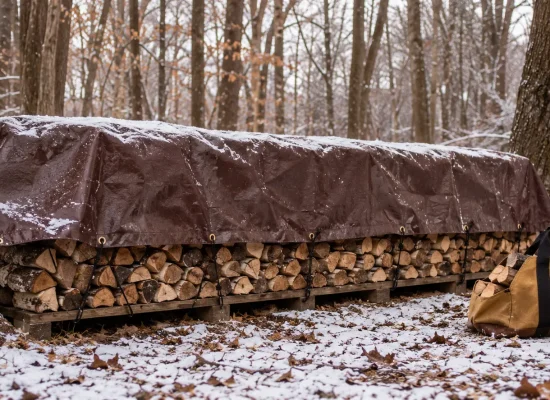
3) Portable Toilet: Honestly, the last thing to cover so that everyone will be comfortable: Take care of the bathroom (if they’re not provided). There are numerous solutions, such as an eco-toilet from GottaGo. Bring along a canvas tarp and some guy cord to make a little toilet in the woods.
4) Bring Cash: A lot of local campsites don’t have camp hosts, and the uptick in technology integration into local camps is expensive and not going to be updated anytime soon. So, to save on getting a ticket, and to keep contributing to the upkeep of your local camp, bring some cash broken down to ones and fives.
The best part about local camping is that it’s right out the back door. Whether it’s 15 minutes like my backyard mountain, or two hours, it’s still the closest way to get into the wild. On that note, I highly recommend it.
Great for Greenhorns, Perfect for Veterans
There are numerous reasons to love getting outside and having an outdoor adventure. I have mine, and you have yours. One thing I have noticed in my years of outdoor exploring is that those who have been doing it the longest are just happy to be out there. Along with that, they love sharing their skills and secrets with people less experienced than them. This is another great reason why camping close to home can be the best adventure.
Local camping is nice for beginners and long-time adventurers alike. As I explained about the seasoned vets, on the flipside, when newer folks who are uncomfortable go camping, they often don’t feel safe. They are vulnerable and feel exposed in a world they don’t know. For some local spots, campers can hike up a hill or look out onto the city below. The road isn’t too far, and this proximity to the urban environment keeps large animals away. These new campers can experience the pastoral wonders of getting into the wild while still being assured of their safety.
This feeling of vulnerability and security is a great space to teach people, to help them build confidence, and to disseminate respect for our local wild spaces.
Bring the Whole Community
I continue to find it increasingly difficult to keep up with friends while still pursuing adventures that my family is passionate about. With the advent of social media, I also get to see what my friends are up to. A few years ago, an old friend and I were fortunate enough to move into the same area. I’d see his weekend on Instagram, and he’d see mine. We’d comment on each other’s feeds and then move on. It took us almost a year of living near each other before I suggested we meet up with everyone and have a local camping trip. We did, and it was incredible. As other friends saw this online, they reached out about not being invited despite living hours away. Effectively, we were doing the same activities and just holding a relationship online. I do not recommend this.
Where we used to take weeks planning trips to get out there, now I have a group of five or six friends that I just shoot a group text to: “Camping at the local spot this Fri/Sat if anyone’s down.” More often than not, someone chimes in. It’s not always the case that everyone can show up, but people are even delighted that I thought of them. Kind words get passed and, on the right week, a few of us show up and have yet another memorable time.
Just Go
There are always reasons to stay home for the weekend: Gotta clean something, build something, go to some store, attend some event, etc. We start to build into our narrative that these are the important things, and for some, they may be. But for those who continue to lament not getting out into the wild, I have only two words for you: Just go. The outdoors is there, indifferent and waiting. This is perhaps part of the magic. The mountain doesn’t care if you climb it, but the joy you’ll feel at doing so is immeasurable.
It may be that some of us are continually looking for meaning, and the place that provides that meaning is the space that cares the least. There are no advertisements in nature; it’s just there. I would encourage you to go as soon as you can, as often as you can. If you’re in the Rockies, keep an eye out. I’m sure we’ll bump into each other.


No Comment! Be the first one.