
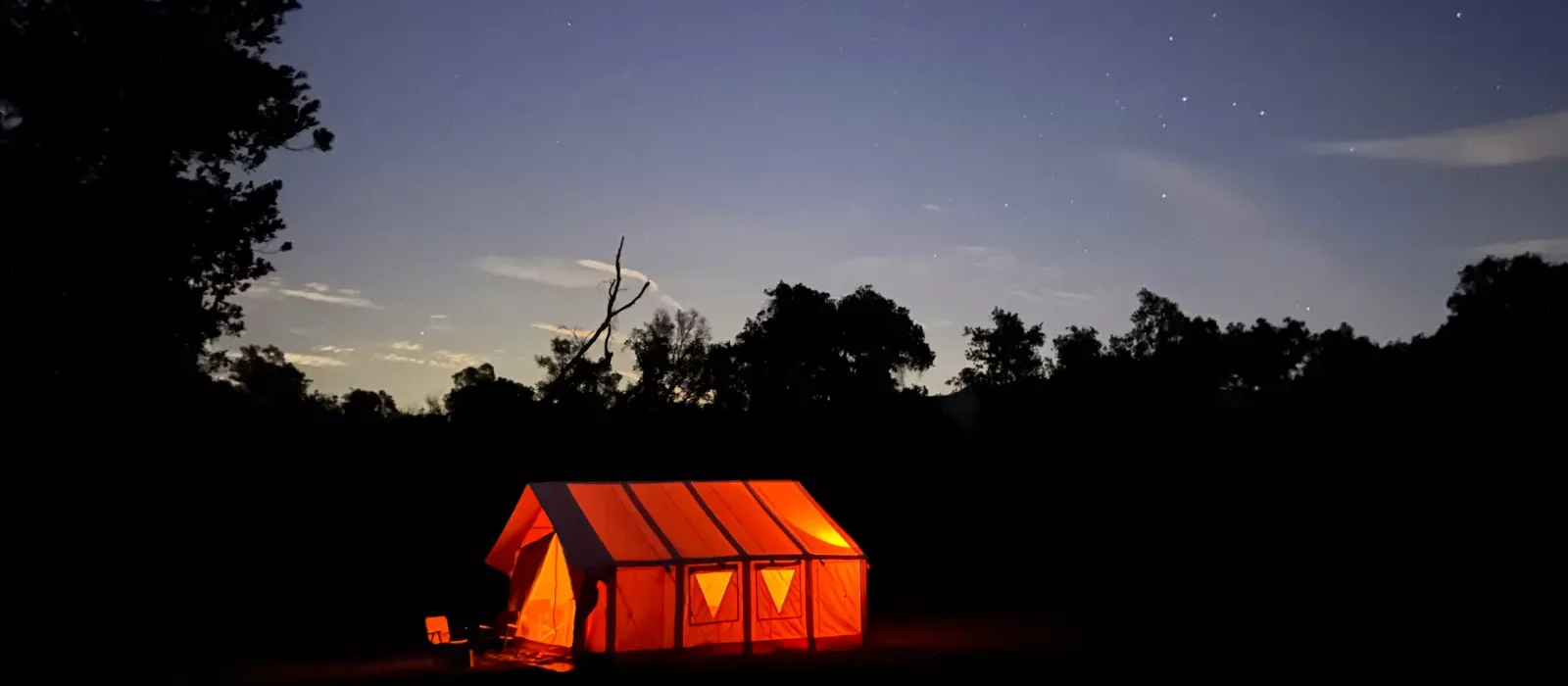
The great outdoors has so much to offer in every season. One of the best qualities of winter is the amazing stargazing opportunities. So this season, travel to a remote location, or to a Dark Sky park for some incredible galactic views.
Table Of Contents
- Why Now is the Best Time to Go Stargazing
- What is a Dark Sky Park?
- Visit the Most Amazing Dark Sky Parks in the U.S.: Our Top 5 Picks
- Capitol Reef National Park
- Big Bend National Park
- Death Valley National Park
- Great Basin National Park
- Great Sand Dunes National Park and Preserve
- Tips for Capturing the Milky Way
- Let Your Eyes Adjust
- Keep an Eye on the Weather Forecast
- Don’t Forget to Layer Up
- Try Your Hand at Nighttime Photography
- Join a Stargazing Tour
- Leave No Trace Principles
- Final Thoughts
In this blog, we will talk all about the best destinations to go stargazing this winter. That means it’s time to break out the warm, woolly outdoor wear and the wood-burning tent stove. Make your reservations today, and start a new camping tradition. Enjoy!
Why Now is the Best Time to Go Stargazing
The winter months are upon us! While it’s much colder at night, this is one of the best times of year to catch glimpses of the night sky. First of all, shorter days lend to longer nights. That means all the more hours to watch the stars. Additionally, less moisture in the air creates a drier atmosphere, eliminating the chances of fog, mist, or cloud coverage. This means viewers can enjoy crisper, clearer, and deeper cosmic views. So grab your blankets and layer up! Now is the time to go stargazing.
Check out our blog on the best upcoming celestial events and mark on your calendars!
What is a Dark Sky Park?
While the stars shine bright anywhere out in nature, some places have better viewing than others. Things like heavy light pollution and moisture in the air can all affect how clear the stars are and how deep into the galaxy the naked eye can see.
A Dark Sky Park is a designated, protected, remote area of land that is officially acknowledged for exceptionally dark night skies. Additionally, these areas are protected for their diverse and flourishing nocturnal wildlife. Organizations like the International Dark-Sky Association may even grant an area an official certification. You can read more about that here.
Campers can visit Dark Sky parks for unforgettable nighttime views. Several U.S. national parks are also designated as International Dark Sky Parks. Visitors enjoy an amazing two-in-one outdoor experience! The benefits of choosing one of these parks are that resources for education and night sky tours are available.
Visit the Most Amazing Dark Sky Parks in the U.S.: Our Top 5 Picks
The U.S. is home to not only some of the most incredible national parks, but also some amazing Dark Sky locations. For a wintertime stargazing adventure, consider some of these unique places to reserve a campsite. Here are just a few of our favorite places to pitch a camping tent and see the endless night sky.
Capitol Reef National Park
Capitol Reef is one of the Mighty 5 National Parks in southern Utah. Truthfully, any one of these parks makes for amazing stargazing. But Captiol Reef takes the cake as a designated Dark Sky destination. From panoramic views, to pristine campsites. This small but impressive park features red rock canyons and juniper trees. All of which makes for gorgeous silhouettes against the bright Milky Way. The park even offers ranger programs like a regularly occurring astronomy program, and events like the Heritage StarFest.
Big Bend National Park
In the lower half of the U.S., Big Bend National Park is home to one of the very darkest skies. Stargazing in this extremely remote location is an absolute must! The accessible, panoramic views, check out Sotol Vista Overlook. It’s a popular spot, but so worthwhile. If you enjoy night photography and want guaranteed stars, this is the place! For high-quality galactic views, visit the McDonald Observatory or the Big Bend Observatory. Just outside the park, join in on the fun for free at “star parties” in locations like the Far Flung Outdoor Center.
Death Valley National Park
You may know Death Valley for its otherworldly salt flats or vibrant hills of Artists Palette. But did you know that stargazing here is one of the highlights? Make your way out here to camp, or to just visit for the night! Death Valley doesn’t have a closing time. So stop by whenever for incredible night skies. Here, rangers suggest stargazing at spots like Harmony Borax Works, Badwater Basin, and Mesquite Flat Sand Dunes. For those keen to hit the road, and who do their very best pondering at night, drive the Park to Park in the Dark. This route connects Death Valley to Great Basin National Park.
Great Basin National Park
Speaking of the Great Basin, it’s yet another wonderful camping and stargazing destination! Capture the Milky Way here in one of Nevada’s best locations. Visit the Astronomy Ampitheater for ranger programs, and Mather Overlook for accessible views. Or, watch the stars twinkle on the water at Stella Lake. Plan to go on a new moon for the darkest sky. Camp nearby on BLM land, or inside the park at one of the many campgrounds.
Great Sand Dunes National Park and Preserve
Head to southern Colorado for an unforgettable night sky experience. Viewing the depths of the Milky Way here is best in spring through early autumn. However, the wintertime still boasts impeccable stars. Catch the light of constellations over sand dune ripples. Besides the gorgeous night skies, there is so much the nocturnal world has to offer here. From the sounds of western screech owls and coyotes, to the fragrance of juniper and pine. Soak up everything this unique landscape has to offer.
Tips for Capturing the Milky Way
Ehance your stargazing experience with these simple tips and tricks!
Let Your Eyes Adjust
For at least 30 minutes before, allow your eyes to naturally adjust to the darkness. That means no blue lights or flash lights. Really, opt for as minimal lighting as possible. If you must have some illumination, red light is easier on the retnas. After a while, you’ll start to notice your vision adjusting to the dark, as bright stars begin to show!
Keep an Eye on the Weather Forecast
The good news is, the stars are always out. The bad news is that whether you can see them depends on a few variants. As a good rule of thumb, look out for clear skies and a dark moon. Sometimes— even in peak season— the clouds roll in, or the moon is just a bit too bright to see the other stars. Check out sites like Dark Sky Map and Clear Dark Sky for accurate weather and sky forecasts.
Don’t Forget to Layer Up
It’s already cold in the wintertime. At night, temperatures drop even more. Some of these locations are at higher altitudes, too. Pack appropriately and make sure to bring extra layers. Opt for cozy materials like merino wool and down. Waterproof outer layers act as windbreakers, which definitely come in handy when frigid winds pick up. Hats, gloves, and warm socks are a must! If you’re camping, remember to bring all your coziest gear to curl up with after a chilly night watching the stars!
Try Your Hand at Nighttime Photography
Nighttime photography can take some practice to get the hang of. But it sure is fun! Bring along a tripod, and mess with the settings on your camera. Smartphone users may even have nighttime settings on their phone cameras. You could even ask a night sky photographer for tips.
Join a Stargazing Tour
For a fun, communal stargazing experience, join a tour. At these Dark Sky parks, there are often naturalists and experts who offer unforgettable experiences. Sign up for ranger programs and tours to learn from their expertise on the best locations, amazing constellations, and educational moments throughout the evening.
Leave No Trace Principles
Just because it’s “after hours” doesn’t mean the rules don’t apply. Be mindful to follow the Leave No Trace principles. The U.S. National and Dark Sky parks are protected areas for good reason. Especially in times like these, with federal funding cuts and a government shutdown, these parks don’t have all the usual hands on deck to keep them pristine. Do your part as you visit. Brush up on the 7 Principles here. And learn more about how the government shutdown is affecting your favorite, once protected national parks here.
Check out DarkSky.org to discover the best stargazing locations in the world!
Final Thoughts
Few things are as mesmorizing as watching the Milky Way out in nature. This winter, make it a goal to visit a Dark Sky park. Experience some of the most unforgettable nighttime views!
Whether you want to head to the heights of the Great Sand Dunes, or the depths of Death Valley, the deep cosmos awaits. Discover new constellations, panoramic views, and nocturnal life. Chat with rangers, astronomers, and fellow campers to learn more and enjoy the fullness of the vast sky we live under.
Beyond our top 5 picks, there are countless remote locations to visit. Follow our simple tips to help you have the best experience stargazing. Plan your trip today, and enjoy an amazing winter season under the stars.
Happy camping!


No Comment! Be the first one.