
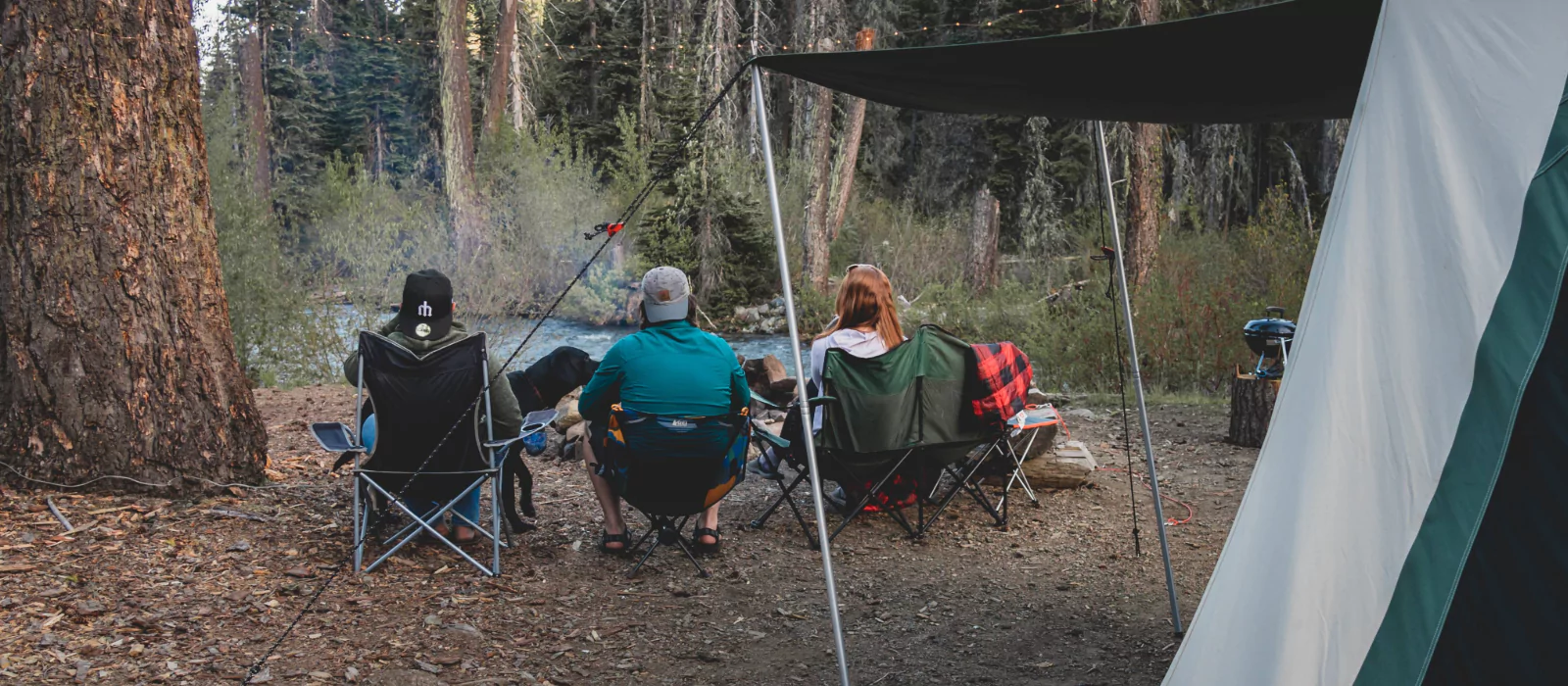
There’s something magical about falling asleep next to lapping waves or rushing mountain streams. Water draws me in every time. It’s where I feel most peaceful. Honestly, my best camping memories always happen near water.
Table Of Contents
But camping near water isn’t just about finding a pretty spot and setting up camp. Water has its own challenges. These can turn a dream trip into a nightmare if I’m not prepared. Flash floods, wildlife run-ins, and gear damage are all real risks. The good news? With proper planning and the right know-how, it’s easy to stay safe and enjoy some waterside camping.
Whether you’re setting up a canvas camping tent beside a lake or pitching camp on a sandy beach, this guide covers everything to know about camping near water safely. These lake and river camping tips will help keep you safe and comfortable.
Understanding Different Water Spots
I’ve camped near all kinds of water over the years. Each type has its own set of hurdles and safety steps to take.
Lakes offer the calmest camping. But they come with their own worries. Water levels can change big time due to rain or dam releases upstream, especially shallow lakes. I’ve learned that temps between day and night are often more extreme near large bodies of water. Many lakes also attract wildlife, especially during dawn and dusk when animals come to drink.
Rivers create some of my favorite camping sounds. But moving water always means more danger. They can rise quickly after rain, sometimes from storms miles away. While the sound of rushing water seems peaceful, it can hide important warning sounds. River camping also means dealing with higher humidity levels and way more bugs.
Beaches bring a totally different set of challenges. Tides can drastically change the landscape around the campsite. While salt air feels amazing, after time it can eat away at gear that’s not protected. The soft sand feels great underfoot but makes tent setup much harder. Weather changes happen super fast near large bodies of water like oceans and the Great Lakes. So, come with some know-how and come prepared. Following beach camping safety guidelines makes all the difference in coastal environments.
Each water spot needs specific prep and the right gear. I opt for a canvas camping tent, but it needs different setup plans depending on whether I’m facing lake winds, river humidity, or coastal salt spray. These lake and river camping tips have served me well over the years.
Find the Right Real Estate
Where to pitch a tent is the most important choice to make. A good location stops most water-related camping problems. A poor choice can mean serious risk.
The 100-foot rule isn’t just for Leave No Trace ethics. It’s key for safety. I camp at least 100 feet from the water to protect from sudden water level changes and to cut down wildlife run-ins. This distance also helps cut down my impact on fragile shoreline areas.
I always look for higher ground when I can. Even a few feet of height can make the difference between staying dry and dealing with a flooded campsite. Check for signs of past flooding like debris lines in trees, worn banks, or plant changes that show high water marks.
I totally avoid obvious flood zones. Dry washes, narrow valleys, and low-lying areas between water and hills can fill with water in a flash during storms. My rule is simple: if it looks like water has flowed through once, it will flow through again.
Wind patterns play a huge role when choosing a campsite. Lakes and large rivers create their own weather systems all day long. For this, I position my tent opening away from the main winds while keeping a good angle for airflow. Natural windbreaks like trees or rock groups help when they’re around.
The ground matters more near water than in other camping spots, as well. Sandy soil drains well but doesn’t hold tent stakes very well. Clay soil becomes a slippery, muddy mess when it gets wet. Rocky ground gives great drainage but makes stake placement tough.
Weather Patterns Near Water
Water creates its own weather systems that can catch campers off guard. Getting these patterns helps to see and prepare for changing conditions.
Temp swings are much more extreme near water. Large bodies of water keep temps steady during the day but can get much colder at night. I pack extra layers even during summer trips because of this. My glamping tent setup always includes plenty of warmth as I like to open the windows at night. I’m in the mountains to drink in all that fresh air and set up in comfort and style. So, I keep plenty of blankets to boost the cozy.
Fog and humidity are common near water, especially in the early morning. This moisture makes everything damp, from gear to firewood. I pack extra dry clothes and use waterproof storage for dry goods. Good airflow in your tent is also needed to stop moisture buildup inside your shelter.
Sudden storms develop quickly over water and can show up in an instant. Watch for warning signs like dark skies, heavy wind, or sudden temp drops. Having a solid plan for securing gear and finding shelter makes all the difference when storms hit. While I watch the forecasts religiously, I’ve learned not to rely on them totally when I’m near water.
A weather radio is always a good idea. Cell service is usually spotty in the wild, so a NOAA weather radio gives key updates about bad weather coming to the area.
Flash Floods Happen in a…Flash
Flash floods are one of the most serious threats when camping near water. They happen with little warning and can be deadly. Getting flood dynamics and having escape plans can literally save lives.
Heavy rain anywhere in the watershed can cause downstream flooding, even if the storms are miles away. Watch for quickly rising water levels, faster water flow speed, or debris floating downstream. If you hear a rumbling sound like a freight train, get to higher ground right away.
Just in general, I never try to cross flooded areas on foot or in a vehicle. Six inches of moving water can knock a grown man down. Twelve inches can carry away a vehicle. When I see flooding, I find another way around.
Never Forget the Fauna
Water sources attract wildlife. This means sharing the neighborhood with various animals. Most wild animals are harmless if you take the proper steps and keep your distance.
Bears are perhaps the biggest worry. They come to water sources to drink and fish, especially during salmon runs. I suggest you store all food, toiletries, and scented items in proper bear containers or hang them at least 12 feet high and 4 feet from tree trunks. Yes, bears can climb trees. Very well, in fact.
Large animals like moose, elk, and deer can be dangerous if surprised or if they feel trapped. They will visit watering holes during dawn and dusk hours. So I make noise when moving around camp during these times. I always give animals plenty of space and clear escape routes.
Reptiles and amphibians are more active near water as well. While most are harmless, venomous snakes also need a drink. Watch where you step, especially when gathering water or exploring shorelines. Always use a flashlight when moving around at night.
Many different bugs plant their homes next to the water. Mosquitoes, flies, and other biting insects can make camping awful. I pack some good repellent and sometimes treat my clothing with permethrin before trips.
Water Safety and Gear Protection
If you’ve heard it once, you’ve heard it a thousand times: never swim alone and always check the water before entering. Mind the currents, drop-offs, obstacles under the surface, and the temp. Cold water can cause hypothermia even in summer. Swift water will test even the strongest swimmer.
All natural water gets treated before I drink it, even if it looks crystal clear. Giardia, cryptosporidium, and other waterborne bugs can cause serious illness. I use boiling, filtration, UV treatment, or purification tablets. I always pack backup water treatment methods.
Camping near water means dealing with moisture, salt air, and potential flooding. I choose water-resistant materials when possible. Canvas camping tents handle moisture better than many synthetic alternatives because they breathe naturally while staying water-resistant. If I’m setting up on the beach, White Duck Outdoors makes a tough wall tent that holds up in the stiff ocean winds and stands strong in the sand. These beach camping safety guidelines apply especially to coastal environments where salt and wind are constant factors.
Electronics and important documents get waterproofed using dry bags, sealed cases, or plastic bags. I keep backup batteries dry and use a solar charger for long trips. Metal items need protection from rust, especially in salt air spots. So, I wipe down knives, tools, and tent accessories regularly.
Extra dry clothes stay stored in waterproof containers. Dry replacement clothes are needed for warmth and comfort if I get wet. Always include extra socks and underwear, next to water or not.
Tent Setup and Emergency Planning
Setting up a tent near water is a bit different than other campsites. I stake everything down more securely than usual because wet areas often have strong or unpredictable winds. Extra guy ropes and longer tent stakes work better when camping on sandy or soft ground.
Creating proper drainage around the tent area helps during unexpected rain. First, dig small trenches around the tent and choose slightly sloped ground when possible. Next, balance the air flow with moisture protection by opening vents when possible but stay ready to close them quickly if weather changes.
Everyone should have a first aid kit that includes treatments for hypothermia, cuts from sharp rocks or shells, and insect bites. Everything should be waterproofed. Check expiration dates regularly. I have escape plans for different scenarios and always know multiple routes out of my camping area in case my first option fails.
Emergency shelter and fire-starting supplies that work when wet can be absolute lifesavers. Emergency blankets, waterproof matches, and fire starters stay with me if my shelter fails or I get separated from my gear.
Making Lasting Memories, Safely
Camping near water can be some of the best times of your life. The sound of lapping waves, morning mist rising from still lakes, and the peaceful feeling of falling asleep next to flowing water create forever memories.
As usual, a successful trip lies in thoughtful prep, respect for the area, and getting the challenges water spots present. Following safety rules, choose the best gear, and keep your senses keen on changing conditions. The best camping trip is always one where everyone returns home safely with amazing stories to tell. Remember these lake and river camping tips for your next adventure.
My canvas camping tent becomes my haven for nature’s most beautiful spots. Whether I’m watching the sun rise over a mountain lake, listening to ocean waves, or falling asleep to a babbling brook, waterside camping connects me to the natural world in deep ways. Bring some swim trunks and I’ll see you out there.



No Comment! Be the first one.