
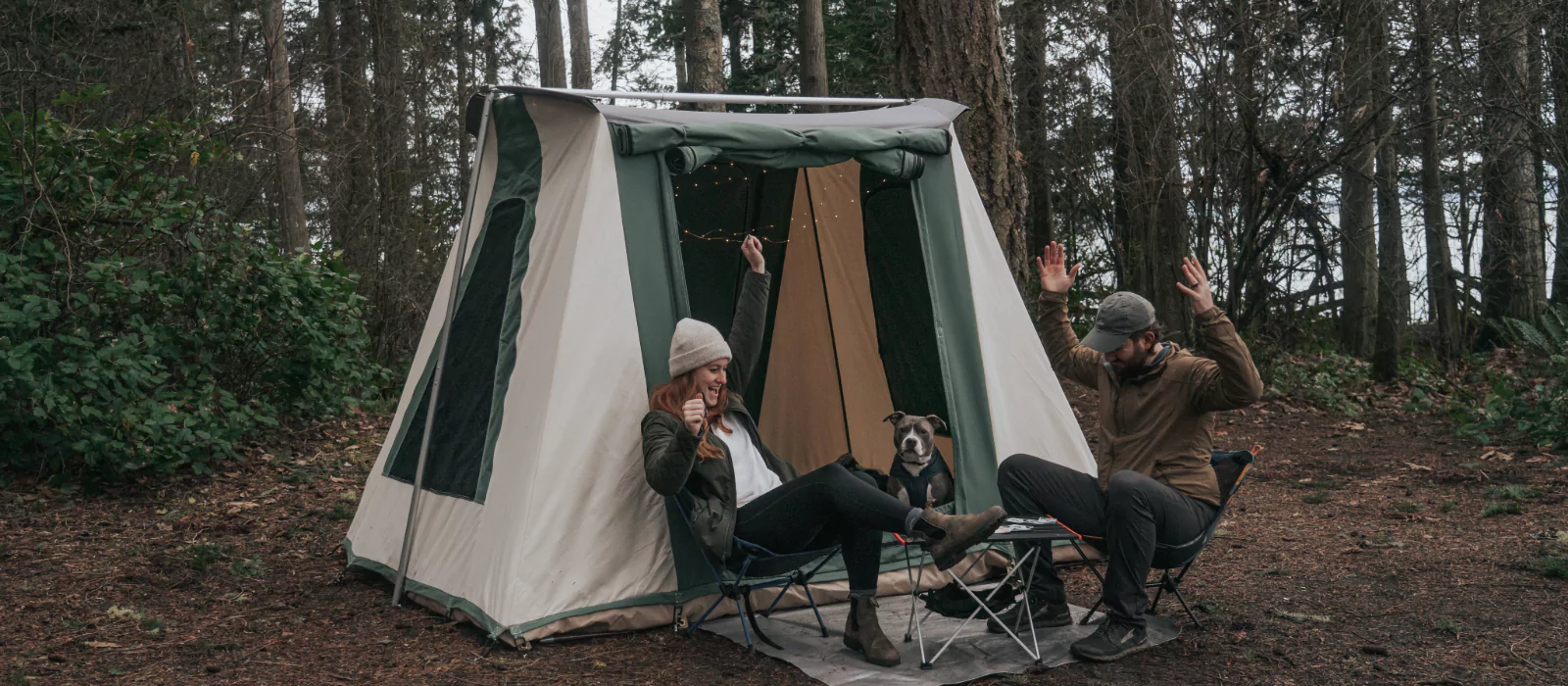
We’ve all been there. You’re excited about your camping trip, you’ve packed your gear, and you’ve made it to the campsite. Then something goes wrong. Maybe your tent won’t stay up, or you forgot something important, or worse, the weather turns south. Don’t worry, these problems happen to even seasoned campers.
Table Of Contents
- Most Problems Start Here: Your Camping Tent
- Weather Woes: Dealing with Unexpected Conditions
- Creature Discomforts: Bugs, Wildlife, and Sleep Issues
- Food and Water Challenges, or Staying Alive
- Gear Issues: What is Lost is Not Forgotten
- Campsite Selection: Location, Location, Location
- After Everything, Embrace the Adventure
You don’t have to worry, I’ll point out some of the most common camping problems I’ve had over the years and walk you through some simple solutions and provide some camping troubleshooting tips to help you handle them with ease. With a little preparation and know-how, you can enjoy a stress-free camping adventure.
Most Problems Start Here: Your Camping Tent
Before you even leave the house, take stock of what kind of camping you prefer, what you’ll be doing, the terrain, and some unpredictable variables (mostly the weather). No matter what happens out there, your camping tent is your home base, your fortress of solitude. With that in mind, I opt for a canvas tent.
Whether you select a wall tent or a bell tent, the canvas tent material will keep you out of the elements. With netted windows and doors that roll all the way up, the breeze keeps your tent cool in the summer. Add a tent stove in the winter and you’ll be lounging in shorts in snowy December. Rain and bugs stay out, privacy and comfort are locked in. But no matter what tent you choose, practice a bit at home. Let me explain.
Practice setting up your tent in the yard before your trip. This helps you become familiar with all the parts and the process. Bring extra stakes and guy lines to secure your tent in windy conditions. For canvas tents especially, proper staking is crucial to maintain their shape and stability.
Find your area and clear rocks, sticks, and debris before laying down your camping tent. Look for level ground and always use a ground tarp to place underneath for additional protection. If you’re using a canvas tent, remember that they’re more durable but also heavier than synthetic options, so give yourself extra time for setup.
If the ground is too hard for stakes, use large rocks to secure your guy ropes. If it’s too soft or sandy, try burying stakes horizontally like a “dead man” anchor or use specially designed sand stakes. Follow these tips and you’ll have a solid shelter no matter what conditions you face. Here’s a list of tent accessories I keep in my tent bag, items you can never have too much of:
· Tent stakes
· Tent poles (if using a canvas tent)
· Guy rope (plenty of it)
· Rubber mallet (don’t be the one using a rock to hammer your stakes)
You’ll never regret being over-prepared. Keep these items in your tent bag and you’ll be set for any situation.
Weather Woes: Dealing with Unexpected Conditions
My dad used to say: “If you want to make Mother Nature laugh, plan a camping trip.” We all wish for 70 degrees and balmy, but it rarely works out. Rain, wind, extreme temperatures, and sudden monsoons can all test your outdoor skills and preparedness. So, do what you can to mitigate any risk.
Before heading out, always check the forecast for your destination and pack accordingly. But also prepare for unexpected changes. Bring layers of clothing that you can add or remove as needed. For rain protection, waterproof your tent seams before your trip and pack a rain fly even if the forecast looks clear.
As I mentioned above, a good canvas tent provides excellent insulation against both cold and heat, but proper ventilation is key. On hot days, position your tent in shade and keep windows and doors open during the day for airflow. In cold weather, use a tent stove heater and lay down some rugs, old blankets, or, in extreme cases of cold, sleep on a cot.
If it gets real bad, there’s no reason to flex your ego at the sky. It’s indifferent to you anyway. Get some shelter in your vehicle (not your tent) if possible. In high winds, position your tent with the smaller end facing the wind and use all available guy lines. Remember that weather in the mountains can change rapidly, so always be prepared to adapt your plans for safety.
The fact is, I’ve never had to abandon my bell tent. But I understand different situations call for different tools. The one thing to remember is to keep safe. Stay low in high winds and never hike or play in washes if it looks like rain.
Creature Discomforts: Bugs, Wildlife, and Sleep Issues
Insects and wildlife are part of the outdoor experience, but they don’t have to ruin your trip. For any skeptics out there: yes, you can get a good night’s rest while camping! When you’re impervious to bugs and get some good rest, you’ll be the one who knows how to solve camping issues.
For bug control, bring insect repellent for both your skin and to spray around your campsite. Consider treating your clothing with permethrin (a bug killer you want on your clothes, not your skin) before your trip for added protection. Keep your tent doors always zipped closed and leave the strong perfumes or scented lotions that might attract insects at home.
Store all food, trash, and scented items (including toothpaste and deodorant) in sealed containers away from your tent. You don’t want to give four-legged critters any reason to come into your camp. Also, never leave food unattended, and clean up thoroughly after meals.
For better sleep, I recommend investing in a quality sleeping pad or air mattress. As I mentioned, a good canvas tent is roomy enough for multiple cots. They keep you snug and off the cold ground. Consider bringing earplugs and an eye mask if you’re sensitive to noise and light, especially if other campers are burning the midnight oil. A proper 3-season sleeping bag rated for the temperatures you’ll encounter makes a huge difference in comfort. And don’t forget a small pillow. Many, many people forget the pillow, and it can make or break your trip.
Food and Water Challenges, or Staying Alive
Food planning for camping trips requires careful thought to avoid spoilage, contamination, or simply running out of supplies.
Plan your meals ahead of time and prep ingredients at home when possible. Use a good quality cooler with plenty of ice for perishable foods. Eat with a plan! If you have items that will go bad (fresh fruit, uncooked meat, etc.) eat these items in the first days of your trip. For longer trips, focus on shelf-stable options like dried fruits, nuts, jerky, and dehydrated meals.
The lifeblood: water. One of the most common camping problems is running out of water. Always bring more water than you think you’ll need. If you’re camping near a river or lake, bring plenty of filtration devices or bring iodine pills. Carefully follow the instructions, but just to be safe in any instance of drinking wild water: boil it. Remember, when you’re outdoors, you can get dehydrated even when you’re not thirsty.
Keep your cooking area clean and separate from your sleeping area. Wash hands and dishes thoroughly and dispose of wastewater according to campground rules or at least 200 feet from natural water sources. Follow these camping troubleshooting tips for water, and you’ll eat well and stay healthy throughout your camping adventure.
Gear Issues: What is Lost is Not Forgotten
Even the most prepared campers sometimes forget essential items or experience equipment failures. Zippers break, jackets rip, someone leaves a cooler open and ice water drips steadily into your socks/undies pouch. It happens.
Before leaving home, use a checklist to pack your gear, and check it more than Santa. Break it into categories that include shelter, sleeping, cooking, clothing, hygiene, first aid, and navigation. Pack methodically and check items off your list as they go into your bag. I can’t tell you how many times I’ve sorted through all my packed gear to see if I remembered something. If it’s checked on the list, it’s packed. Done.
Gear is going to fail, accidents are going to happen. Bring a repair kit that includes duct tape, a multi-tool, extra batteries, and repair materials specific to your gear (even ultralight materials can be fixed with a piece of cloth). The best thing you can do is to know your gear. Know how to use it and know how to fix it.
If you forget something essential, get creative with substitutions. A trash bag can serve as a rain poncho, dental floss can work as a strong thread for repairs, and aluminum foil can be fashioned into a cooking surface. Some campgrounds have small stores, and fellow campers are often willing to lend gear in a pinch, but I wouldn’t count on anybody
Campsite Selection: Location, Location, Location
Choosing the right campsite can be the success or failure of your adventure. Before you head into any new location or wilderness, make sure you do your research. Know about local flora and fauna, research the best times of year to be in a certain spot, and don’t get deeper into the wilderness than you’re comfortable with.
If you’re on BLM land or the backcountry, look for level ground with natural drainage in case of rain. Avoid holes where water might pool. Check above for dead branches or “widow makers” that could fall during wind or storms. Consider sun exposure, the morning sun can help warm your tent, but full afternoon sun might make it too hot for comfort.
If you’re in a formal campsite, think about proximity to water, restrooms, and other campers. If you’re in bear country, follow local regulations about cooking and storing food away from your sleeping area. In dispersed camping areas, look for spots that have been used before to minimize your impact on the environment.
Finally, respect closure signs and private property boundaries. Many public lands have specific rules about where camping is permitted, so do your research before setting up. No matter where you end up, live by one rule: If you pack it in, you pack it out.
After Everything, Embrace the Adventure
Camping comes with challenges; that’s part of the adventure. You’re going to solve some camping issues, and it’s going to get better every time. With each problem you solve, so builds your outdoor skills and confidence. With the right preparation, some creativity, and a calm temper, you can handle whatever the wild throws at you.
Pack thoughtfully, learn basic skills, and don’t be afraid to ask for help when needed. Most importantly, remember why you’re out there: to connect with nature, create memories, and enjoy the simple pleasures of outdoor living.
So, grab your camping tent, pack your gear, and head out with confidence. The occasional blunder is just part of the story you’ll tell later around the campfire. I look forward to hearing about it and I’ll see you on the trail.


No Comment! Be the first one.