

When planning a hunting trip, you’ll have to make many decisions regarding camp gear. One of the most important pieces of gear you’ll have to select is your hunting tent. Good hunting tents keep you warm, comfortable, and dry during the entirety of your expedition– allowing you to focus on the hunt rather than worrying about the elements. The best hunting tent for your needs will depend on careful consideration of a few key criteria– and we’ll walk you through some examples in this guide.
Table Of Contents
Key Factors to Consider When Purchasing a Hunting Tent
Before diving into the sea of different types of tents, gain a clear understanding of the key factors that will affect your decision. These are the elements that will help you develop a clear vision of what you truly want/need, and narrow down your choices.
Tent Capacity
The size of your tent is one of the most important and very first considerations you should take into account when deciding on a hunting tent to purchase. Tents are typically rated by the number of people they can accommodate– but remember that the capacity rating assumes you are cramming in shoulder-to-shoulder with X amount of people. If you prefer a bit of extra breathing room and a place to stash gear, it’s in your best interests to choose a tent with a capacity of 2-3 people larger than needed.
- Two-person tents are great for solo hunters and/or pairs who don’t mind getting cozy, offering very little space but plenty of elemental protection.
- Four-person tents are ideal for couples or very small family groups, offering a little extra space for gear.
- Six-person tents are great for group hunting trips or for when you plan on setting up a canvas tent with a tent stove, or just wish for extra comfort.
If you plan on embarking on a hunting trip in a harsh environment where you will need extra gear, more room for thicker bedding, or a place to weather a storm comfortably for longer than just a night– you will likely want to invest in a large tent that accommodates tent accessories, additional winter gear and provides ample space.
Season Rating
Just as tents are rated for capacity, hunting tents are rated according to the weather conditions the tent in question is equipped to handle. Because hunting trips can take you into all types of environments, from cold mountain snow to rainy, humid forests, it’s crucial to choose an appropriate tent that will keep you safe and comfortable in the conditions you encounter.
- 3-season tents are the most common type of hunting tent and are suitable for mild weather conditions. They offer great ventilation, and adequate weather resistance, and are designed for warm spring, summer, and fall conditions. This is a wonderful option for hunters in areas that don’t experience extreme cold, heavy rain, or harsh winds.
- 4-season tents are sufficient for hunting in colder, harsher environments like mountainous terrains that are so appealing to deer and elk hunters. Four-season tents are made to withstand high winds, wet snow, and freezing external temperatures. Typically, these tents are made of denser, durable materials like canvas and include reinforced infrastructure to withstand snow weight and wind gusts.
- Extreme Weather tents are made for high-altitude expeditions and Arctic hunts for which you’ll need a specialized tent to keep you safe and warm in extreme cold, high winds, and extreme snow loads.
Weather Resistance
Weather patterns are extremely volatile, and this can greatly affect a hunt if you are not properly prepared– starting with your tent. Your hunting tent must be adequately weather-resistant in the face of any conditions. Seek out the following features when trying to choose your hunting tent to ensure it will provide the protection you need:
Waterproofing
All hunting tents should be waterproof. At the very least, water-resistant. Your tent should include a rain fly, or, you should purchase one to fit your tent as it plays a huge role in waterproof capabilities. Choose a tent with a rain fly that extends over the edges of the tent to ensure water doesn’t seep beneath the base. Your seams should be reinforced with waterproofing material, and your base material should be sealed and waterproof as well to make sure there’s no leakage.
Ventilation
Ventilation is crucial in hot, humid, or rainy conditions. Adequate ventilation helps prevent condensation buildup, which is essential in cold temperatures as well. If you experience condensation buildup, you will likely be dealing with wet gear and a very uncomfortable and even dangerous sleeping environment. Look for tents with mesh windows and plenty of adjustable vents (ideally near the top to encourage heat to escape).
Wind Resistance
Often, as a hunter–especially a mountain hunter–you’ll find yourself in a gusty, windy area. This can be quite tough, so look for tents with strong pole structures (made of materials like galvanized steel), reinforced corners, seams and zippers, and sturdy guy lines. Such tents are specifically designed to resist the force of wind.
Tent Weight
Tent weight is a significant factor to consider, especially if you are planning on packing your tent into rough terrain to get to your remote hunting camp. If you are instead planning on a car-camping style hunt, the weight won’t be so much of a concern, but otherwise, a lightweight tent will make your pack manageable in ways you will thank yourself for.
Durability
When hunting in rugged, rough terrain, you will need a tent that can withstand consistent wear and tear. Durable tents are made with dense materials like canvas, heavy-duty polyester, polyethylene, or ripstop nylon. These are common materials that are resistant to punctures, tears, and abrasions.
In addition to considering specific tent cover materials, choose tents with strong infrastructure. This means poles and stakes made of aluminum or steel. The more durable your materials, the longer your tent will last through multiple seasons of use.
Ease of Setup
Complicated, time-consuming tent setups are often extremely frustrating, especially in the instance that you are setting up camp in the dark or in less favorable weather conditions. When selecting a hunting tent, choose one that is simple to set up– many feature color-coded poles and simple designs that allow even the most inexperienced camper to efficiently set up their tent in 10-15 minutes.
Additional Features
- Stove Jacks: Most canvas hunting tents are equipped with stove jacks which enable you to safely install a tent wood stove for warmth and cooking. If you are planning on setting up a long-term hunting camp for a season-long home base, a canvas tent with a stove will likely become a convenient feature.
- Unique Storage Options: Some tents are equipped with overhead mesh storage areas called gear lofts for keeping clutter out of the tent floor space. This helps keep packs, clothes, and supplies organized.
- Vestibules: Vestibules are small, covered areas outside the tent convenient for drying out wet gear, or keeping dirty gear out of the interior of your tent.
- Interior pockets: Tents with small interior pockets help organize small accessories and personal items that are easily misplaced, like a flashlight or glasses.
Types of Hunting Tents
Bell Tents
Canvas bell tents, like White Duck’s 13’ Regatta Bell Tent or 16.5’ Avalon Bell Tent, are popular choices for short or long-term hunting camps as they are effortless to set up, lightweight, and provide excellent wind resistance due to their unique domed shape. This allows wind gusts to pass right over your tent and reduces the risk of damage or collapse. Canvas bell tents are suitable for three and four-season camping, and feature galvanized steel poles as well as tent stove capacity.
Cabin Tents
If you are planning on hunting in a more residential or settled area where road access is aplenty and you won’t have to pack in a tent on foot, cabin tents are the best choice, providing ample space and maximum comfort. Though a bit dense and large, the vertical walls and high ceilings of a cabin tent make for a cozy setting roomy enough for moving about. If you have a larger group or need greater gear storage, a cabin tent is a great option for hunting base camp.
Wall Tents
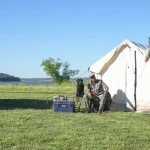
Last but certainly not least, canvas wall tents are a longtime hunter favorite. White Duck’s Alpha Wall Tent is made of durable, reinforced cotton canvas and offers tons of movable space with its vertical walls and high, slanting ceilings. These canvas wall tents are suitable for winter camping, as they include a stove jack. Wall tents are a favorite choice because they are durable enough to stand as a long-term camp, providing a home base all hunting season long. They can be made quite plush and comfortable with separate living, sleeping, gear storage, and cooking spaces.
To Wrap Up…
To choose the hunting tent most suited to your needs, consider the environment you’ll be camping in, the number of hunters coming along on the excursion, and the length of your trip. It is important to also obtain information about a specific tent’s weather resistance, weight, setup ease, and durability before purchasing. We are confident that you’ll make a stellar choice by using your intuition and this comprehensive guide. Happy hunting!


No Comment! Be the first one.