

Hunting is much more than a seasonal hobby, but also a time-honored tradition with deep cultural roots, recreational opportunities, and many conservation benefits. As a hunter, there is a responsibility to recognize that the role you play in the natural world extends far beyond the act of hunting itself. Ethical hunting practices are rooted in a deep spiritual regard for the animals, their roles in the ecosystems they inhabit, preservation of the environment, and contribute significantly to conservation efforts. There is a saying that there is no bigger conservationist out there than a man or woman who hunts. At the heart of ethical hunting practices lies an honorable responsibility to manage and protect wildlife populations, minimize and even heal harm to the land, and perpetuate sustainability.
In this blog post, we will explore the key practices and ethical principles adopted by hunters in their pursuit. These practices include but extend far beyond compliance with human-enforced regulations and laws– they embody a mindset and heart-set that promotes stewardship of the natural resources we have been afforded and ensures the long-term health of the natural world we, too, are a part of.
Familiarize Yourself and Understand Local Hunting Laws & Regulations
Before entering the field, ethical hunters familiarize themselves with local laws and regulations or “regs.” These are rules designed to protect wildlife populations, protect hunters themselves, carve out appropriate hunting seasons, and ensure that harvests are sustainable.
Regulated Seasons and Limits
Hunting seasons and “bag limits” are set in order to avoid over-hunting and to allow game populations to replenish and thrive. Respecting these limits helps ensure that future generations can continue these sacred and age-old hunting practices that have been passed down to you.
Protected Habitats and Endangered Species
Often, laws prohibit the pursuit and killing of endangered species or animals that are protected due to low population numbers. Ignoring these laws can be detrimental not only to the existence of a particular species but also to the balance of the delicate ecosystems in which they exist.
Personal and Public Safety
Ethical hunters also pay close attention to safety protocols designed to protect hunters as well as members of the general public. Familiarizing yourself with and following these laws is a great way to show care for your community.
Fair Chase Hunting
The concept of “fair chase” hunting is an absolute cornerstone practice for ethical hunters. This type of hunting refers to the strategy of pursuing a game in a way that gives them a chance to evade the hunter. Fair chase hunting avoids artificial advantages such as baiting or “road hunting” – driving around in vehicles to spot a kill.
Respect for Game Animals
The practice of fair chase hunting honors the animal’s natural instincts and ability to behave naturally within its environment.
Humane Harvesting Practices
This method of hunting increases the chances of a humane kill– which essentially means it reduces the overall likelihood of painfully wounding the animal without quickly ending its life.
Preservation of Biodiversity
Fair chase promotes wildlife conservation, ensuring that hunting does not lead to rapid population declines as a result of over-killing.
Harvest Ethics: Minimizing Waste
One of the most important ethical practices when it comes to hunting is making absolutely sure that no part of the animal goes to waste. This means using the animal in full– meat, pelt, antlers, and anything else you can possibly utilize for food, clothing, or crafting. Wasting any part of a harvested animal is not only disrespectful to the life and spirit of the animal that you have killed but is an exploitation of resources graciously afforded to you by the land.
Respect Life
Ethical hunters see an animal’s life as a precious resource, and they strive to honor that by using as much of the animal as possible in order to perpetuate life– feed their community, clothe the family, et cetera.
Conserving Resources
By minimizing waste, hunters contribute to resource sustainability efforts by maximizing the overall use of what Mother Nature has provided. This aligns with conservation efforts as it promotes responsible and efficient use of natural resources.
Cultural Responsibility
In many cultures across the world, hunting is seen as a sacred act wherein the hunter is responsible for making sure that the animals they harvest are treated with utmost honor and respect. A few basic rules to live by when it comes to hunting include:
- Take everything you can use. If you’re unable to use all of the animals by yourself, donate what is left over to local food banks or conservation nonprofits.
- ??
Observe and Respect the Natural Order of Things
Ethical hunting and wildlife conservation is about more than just following local rules– it means paying attention to the natural order of the land you are hunting, observing, and fostering a close relationship with game animals and their place in the ecosystem. Not only is this a respectful practice, but one that will enhance hunting success, too.
Biodiversity Protection
A healthy ecosystem is one with a thriving yet delicate balance of species populations. Hunters must be aware of the detrimental effects of over-hunting, and take precautionary steps to avoid over-hunting and damaging biodiversity.
Habitat Preservation
Hunting and the extra activities that come with it, such as camping, should not disturb wildlife habitats– especially during nesting or mating seasons. By carefully and intentionally setting up your hunting tent and all of your camp comforts, hunters can minimize their footprint in a particular area. Always abide by Leave No Trace principles. Tips for staying habitat-aware while at hunting camp:
- The utilization of a hunting tent is certainly acceptable, but just be sure you are abiding by local rules and regulations. Some areas must remain odor-free for the health and safety of the animals, and so as not to disturb the hunt. Read up before you go.
- Use a firewood carrier when collecting wood from your campsite and surrounding areas. This can help minimize the treks you have to take out of the designated camp area and into the forest, which then minimizes the footprint (literally) that you are leaving on the nearby ecosystem.
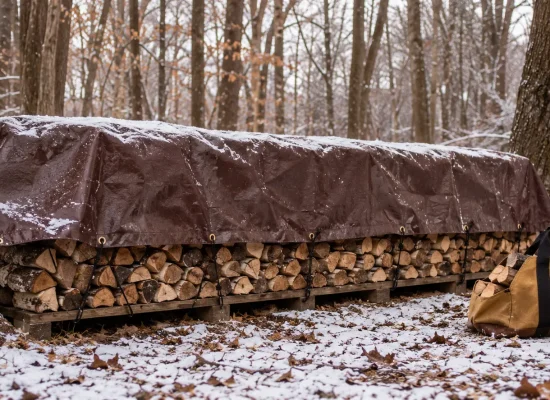
- Poly tarps can be helpful tools for placing underneath your tent so as not to disturb the ground you are camping on, and can also serve as great temporary shelters that take very little time and effort to erect– the easier to set up and take down, the less damage to trees and underbrush.
Be an Advocate: Conservation Education
Understanding that you as a hunter are part of a larger movement toward wildlife and wilderness conservation in a changing world is a huge part of hunting ethics. The way hunters hunt has significant impacts on the balance of nature, and there is an inherent responsibility to use your hunting knowledge and influence to advocate for responsible practices beyond just your own. Talk to others about your experiences, and what you have learned in your years of hunting, both about the land and the animals. This can be so impactful not only to your immediate communities but also on a larger stage when it comes to policy concerning wildlife health.
Conservation Funding
Often, hunting license and tag fees are directed straight toward funding conservation efforts, wildlife management, and habitat protection. When hunters purchase their licenses and yearly tags, their hard-earned resources play a direct role in expanding conservation efforts.
Encourage Positive Public Perceptions
Unfortunately, hunting is not always a well-received concept by the public– especially in the modern world with many active groups fighting against any form of perceived “animal cruelty.” Ethical hunters who adhere to proper practices can use their influence and first-hand experience to shift public perception of hunting, showing that it does contribute positively to the long-term health of wild animal populations– as it has since the beginning of time.
Sustainable Hunting Practices
When we refer to “sustainable” hunting, we are speaking of a way of hunting that upholds a long-term mindset– operating within a broad understanding of how hunting can have a positive impact on the environment.
To Sum It All Up…
Ethical hunting practices extend far beyond the actual pursuit of game animals itself. It means a long-term commitment to the overall well-being of wildlife populations, habitat preservation, and an awareness of a hunter’s role in the ecosystem and environment. By following key principles such as adherence to regulations, enacting fair chase hunting strategies, minimizing waste, and being an advocate for wildlife conservation, hunters become responsible land stewards.
The short of the long–hunters are the original conservationists. For centuries, they have helped to ensure that wildlife populations can thrive in an environment that remains healthily balanced. Ethical hunting is rooted in reliance and interdependence, and a knowledge that without game animals and the ecosystems in which they live, we as humans would not be able to enjoy healthy lives, either. Ethical hunters know that actions of today influence the land, animals, and natural order of tomorrow.





No Comment! Be the first one.