

With so many different styles of outdoor camping shelters on the market, terminology can get confusing – even for the pros. From modern performance tents to more traditional options, it can be difficult to keep up with what’s out there, and even more intimidating to pick the right tent for your unique adventure.
Table Of Contents
Today we’ll break down two common camping terms: yurt tents and traditional tents. Whether you’re a seasoned outdoorsman or just starting to search for your first high-quality camping tent, these are two terms you’re likely to encounter. But what do the vague names “yurt tent” and “traditional tent” actually mean? Is there a difference between the two, and if there is, what are they? Read on for a comprehensive deep dive into the world of yurt tents and traditional tents and discover everything you need to know about these two camping terms. Plus, learn how to choose the right tent for your camping needs, and the accessories available to enhance it. Let’s get started!
The Difference between Yurts vs. Yurt Tents
Before we dive head first into the comparison between yurt tents and traditional tents, there’s some common confusion around what a yurt tent is that we should get straight!
When it comes to the modern world of camping, yurt tents are not the same as yurts. Yurts are a type of traditional shelter with a design that resembles a cross between a cabin and a tent – without exactly being either. Most yurts are circular in shape and feature lattice wood framing that’s covered in fabrics like animal skins and felt. More modern yurts utilize canvas fabrics instead. Traditional yurts have been used for centuries, with origins in central Asia at least 3,000 years ago. Similar to tents, they’re durable yet portable shelters, which made them popular among early nomadic societies around the globe. Yurts are still popular stays today, giving guests a rustic yet comfortable place to enjoy the outdoors.
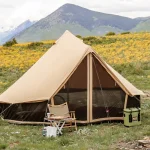
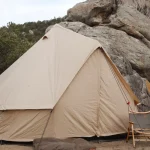
Yurt tents, on the other hand, are true camping tents. Instead of the hard, lattice wood framing of a traditional yurt, yurt tents make use of aluminum or steel tent poles for structure. Made from canvas fabric, these tents feature a similar circular design as traditional yurts, with a slight variation in the front entrance and roof shape. Unlike yurts, yurt tents typically have a large A-frame entrance and a tall, cone-shaped roof held up by a cingular central pole that’s absent in a yurt. This style of tent is also commonly known as the bell tent, named after its distinct conical shape. The circular base and canvas fabrication of the bell tent is likely where much of the confusion stems, and possibly how we began calling them yurt tents since they have many resemblances.
While traditional yurts are incredible camping shelters in their own right, today we’ll focus specifically on yurt tents and their relation to traditional tents.
What Is a Traditional Tent?
When modern-day campers think of “traditional tents,” they’re most likely referring to these tents made out of canvas materials. So that answers our first question: are yurt tents and traditional tents the same? Yes! Thanks to their canvas fabrication, you can consider yurt tents a type of traditional tent. Canvas tents tend to be extremely high-quality and heavier-duty than other popular tents on the market, like lightweight, synthetic dome tents.
Traditional tents come in three main styles, each with its own history, features, and benefits. Let’s break it down.
Traditional Tent Styles
Yurt and Bell Tents
As we’ve covered, yurt tents, also known as bell tents, are a circular style of tent featuring a single pole that provides vital structural support through the center of the tent. The conical bell shape makes yurt tents a picture-perfect camping tent that’s as stylish as it is functional.

While we call them yurt tents, they actually evolved from the Tipi style of tent. U.S. Army officer Henry Sibley found inspiration in these historic shelters during the 1850s, making the first modern bell tent design using key features of the Tipi. Since then, camping brands have further enhanced their design, introducing a section of the straight wall that meets the conical roof of the tent and guylines to add structure and reinforce the shape. Today, yurt tents are a popular choice for a range of uses, from camping and glamping to backyard parties and more.
Wall Tents

Wall tents are another style of traditional canvas tents, named for their 4 distinct vertical walls. You’ll often hear wall tents referred to by several different names, including outfitter tents, safari tents, and hunting tents. While most canvas tents are considered spacious shelters, wall tents outdo the rest thanks to their straight-walled design that creates unmatched floor space and headroom. Being both spacious and durable makes them attractive among campers traveling with lots of gear, like hunters, as well as glampers adorning their tents with luxury furniture. Paintings show the use of wall tents back in 16th-century Europe, and similarly to the bell tent, became staple military shelters by the 18th century.
Cabin Tents

Cabin tents are designed to resemble the basic structure of a traditional cabin home. Similar to the wall tent, they have 4 straight walls and a flat, or nearly flat, roof. Unlike the other two styles on this list, you’ll find cabin tents made from a variety of fabrications, not just the canvas seen in traditional tents. However, the use of canvas in the cabin tent design improves its durability and weather resistance, making it a more practical choice for a variety of camping uses.
The Best Qualities of Traditional Tents
These three traditional tent styles have 4 main qualities in common that make them fantastic outdoor shelter options.
Durability
Modern cotton canvas is one of the most durable tent materials on the market, and the main fabric used in traditional tents. Unlike many of the synthetic alternatives, cotton canvas is a thick, heavy-duty fabric that can withstand even the harshest conditions found outdoors. Plus, modern-day traditional tents treat their canvas fabrics with coatings like water resistance, UV protection, and mold and mildew resistance, making them a great option for longevity.
Weather Resistance
Most traditional tents offer 4 season compatibility, so you can enjoy using them all year long. Not only is canvas durable, but it’s also naturally insulating and breathable. This means a warmer tent interior in cold months and a cooler interior during warm ones. Plus, traditional canvas tents are typically safe to use with a tent stove, making them a popular winter camping shelter.
Spaciousness
You can count on these traditional tents to be some of the most spacious portable shelters available. The vertical walls of cabin and wall tents result in ample headroom and floor space, while the high ceilings and circular shape of yurt tents have a similar effect. Whether you’re traveling with lots of people or tons of gear, you won’t be short on space with these tents.
Versatility
Between their diverse styles, unwavering durability, weather resistance, and unmatched spaciousness, traditional canvas tents are nothing short of versatile. These qualities make them reliable camping shelters, one of the best glamping tent options, and perfect for recreational outdoor trips like hunting and fishing. Or, pitch a traditional tent for a range of non-camping activities, like backyard parties, workshops, and yoga retreats. The opportunities for utilizing these tents are truly endless, so get creative!
Sustainability
The longevity of traditional tents isn’t just great for your wallet – it’s beneficial for the environment, too. The longer your tent lasts, the fewer resources you’ll end up consuming in the long run, which is important in reducing your carbon footprint as a consumer. Some traditional tent brands, like White Duck Outdoors, take this a step further by creating vertically integrated supply chains. This means they have more control over how their tents are made, resulting in more responsible, sustainable products overall.
The Drawbacks of Traditional Tents
While traditional tents have a host of notable advantages, there are a few drawbacks to consider before investing in this type of shelter.
Weight and portability
Thanks to the sturdy cotton canvas and heavy-duty metal tent poles found in most traditional tents, these shelters are naturally heavy. While this is great for durability and weather resistance, it can make using a traditional tent intimidating. More weight will make these tents harder to transport and more difficult to set up. While it’s not a major deal breaker for campers who understand the robust benefits, it is something to consider before diving head-first into this style of tent.
Ease-of-use
While modern iterations of traditional tents can be just as user-friendly as any other tent, there is often a learning curve with traditional tents. Because of the heavier materials and more complex designs, traditional tents can sometimes be more difficult to set up than other modern tents. When purchasing a traditional tent, look for outdoor brands that offer tool kits. This simple addition helps streamline the setup process and make pitching a traditional tent as easy and convenient as possible.
Affordability
Several factors make traditional tents less affordable than other tent styles, on average. First and foremost, these tents are made from the highest quality materials and construction techniques. Between the heavy-duty performance canvas, construction details like double-stitched seams, and the many additional accessories available to enhance them, traditional tents are bound to be more expensive than simpler, lightweight tent alternatives. There is an argument to be made, however, that the upfront investment necessary for some traditional tents is made up for in their longevity.
The Modernization of Traditional and Yurt Tents
Although we refer to these tents as “traditional,” it’s clear that their many modern qualities have kept them competitive among other innovative gear. While canvas fabrics have been used throughout history, modern iterations have made it into a high-performing material. New-age canvas is engineered to withstand even the harshest conditions, with treatments and weightless coatings that help make it water, UV, and mildew-resistant. These innovations keep traditional canvas tents like the yurt tent in competition with modern tent alternatives.
In addition to their modern design and construction choices, many traditional tents offer a ton of functional accessories that you wouldn’t have seen back in the day. Bell and yurt tents are a great example of this. Check out a few of the best yurt tent accessories below!
Modern Yurt Tent Accessories
- High-performance rainfly sheets help protect tents from harsh precipitation, UV rays, wind, and other forms of weather
- Awning extensions create an additional covered area at your tent’s entrance
- Inner tent additions can be used to create separate spaces in your shelter
- Tent stoves are an unbeatable luxury accessory that creates warmth, adds ambiance, and gives campers a convenient heat source for cooking
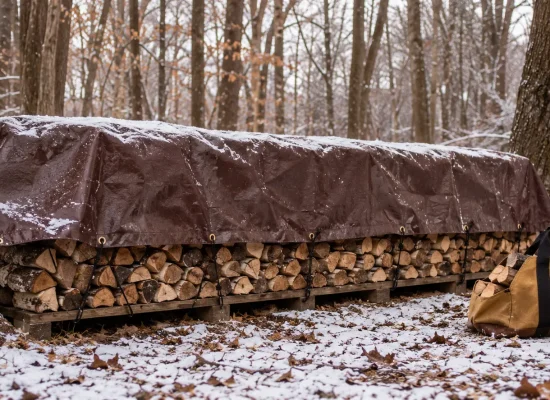
- Modern canvas camping tarps can be used for a variety of needs, but most notably protect the bottom of your tent when used as a groundsheet
The Bottom Line
As tents and outdoor shelters evolve, it’s becoming increasingly difficult to keep up with all the latest equipment. Yurt tents and traditional tents are two common camping terms, but what exactly do they refer to? To talk about these shelters accurately, it’s first important to distinguish between what a yurt is and what a yurt tent is. While yurts are a cross between cabins and tents, yurt tents are true tents featuring metal tent poles and canvas fabrications.
But are yurt tents any different from traditional tents? Well, if we’re defining traditional tents as canvas tents like many consumers do, then no! Yurt tents are just one of the three common styles of traditional tents, alongside wall tents and cabin tents. Thanks to their use of canvas fabrics, these tents are highly durable, weather-resistant, spacious, versatile, and sustainable. Plus, many modern accessories enhance these shelters even more. So whether you’re glamping lakeside or hosting a yoga retreat in the wilderness, yurt tents are one great traditional tent option guaranteed to enrich your experience in the great outdoors.


No Comment! Be the first one.