
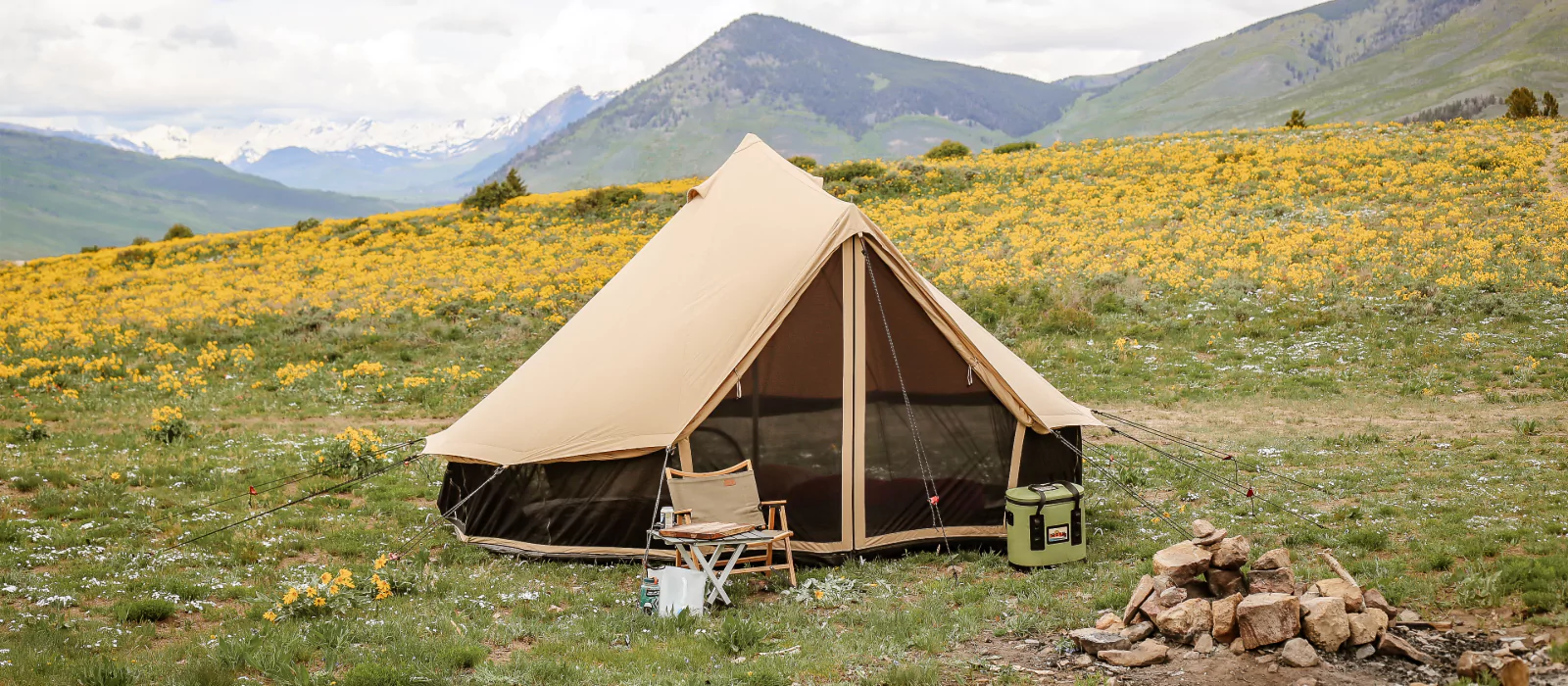
Nobody appreciates rowdy campers, up past quiet hours. Or neighbors whose gear seems to be spilling out onto your campsite. Or those campers who have no problem blasting their music for the whole campground to hear. It’s easy to avoid these problems by abiding by campground rules! Rangers and volunteers work hard to maintain and enforce campground rules. The goal in mind is so everyone can have a fun, clean, and positive time.
Table Of Contents
Campground rules and regulations exist to create a standard of stewardship and respectfulness. Both towards nature and each other. The rules are not in place to stifle you but rather to teach you. You’ll learn a lot about a place and its values by learning the rules. Once these are clear, they will be your guide on how to be a good steward of other outdoor spaces, too!
Most campground rules consist of a few key points. Things like quiet hours, keeping your site clean, responsible campfire management, and more. Leave No Trace principles are also expected of campers– whether it’s written or not. Following these guidelines will lead you to become a better steward of the outdoors. After a while, you won’t even have to think about it– it will come naturally to feel this way when spending time outdoors.
Campground Regulations
Pretty much anywhere you visit is going to have campground rules and regulations. National parks, state parks, and public and private campgrounds all have ‘em! It’s just part of the game! These are general guidelines to respect your neighbors (both human and wild). Regulations also teach campers how to keep the place clean for others to enjoy in the future. All campers are expected to abide by basic campground rules and regulations. This sets a standard of good stewardship and treatment of other campers. If there are certain rules you don’t fully understand, don’t be scared to ask. Asking questions and doing research can help emphasize why there are expectations at campgrounds. From environmental factors to wildlife rules, respecting your neighbor, and more.
And don’t forget! Even on dispersed land, the expectation is that campers will follow Leave No Trace. Boondocking doesn’t excuse campers from these responsibilities.
So, here are some basic camping guidelines to point you in the right direction, and become an awesome camper!
Leave No Trace Principles
The 7 Leave No Trace principles are a great place to start for camping and outdoor etiquette. The more time you spend outside, the more these principles should eventually become second nature to you. Most campgrounds, trails, and green spaces require these guidelines to be followed. These principles teach you how to have self-awareness outside, and how to be a good steward of the land.
The guidelines cover everything from how to plan for your trip, to waste disposal, respecting wildlife, and so much more. Adopt these principles into your mindset every time you engage in outdoor recreation! The better you know them, the better you can share them, too!
Responsible Campfire Management
Campfire management is a crucial aspect of responsible camping. First, find out if your campground allows fires at all. Before you arrive, ensure you understand basic campfire safety and management. That means being up to date on seasonal fire risks and possible burn bans. Only building fires within a designated fire pit. Flames should be no higher than 2 feet. Bring your own firewood from home. Or, purchase some from a campground store or ranger. Don’t try to source firewood from the actual grounds of the camping destination.
Don’t leave a fire unattended. And when you’re ready to put it out, make sure it is completely out and cold before walking away. Check out SmokeyBear.com to learn more about fire safety. And when in doubt, ask the rangers!
Be a Clean Camper
Keep your campsite clean! Don’t leave behind any garbage, scraps, tent stakes, or anything like that. Keep belongings within your campsite boundaries. Deal with food waste as soon as possible. This isn’t something you want to risk leaving out. Either dispose of it in a bear-proof dumpster, or airtight container until you can throw it away. Always have a trash bag on hand for garbage and food waste.
Cleanliness extends well beyond your own campsite. At bathroom facilities, clean up after yourself, and keep doors and toilet lids closed. Remember to leave accessible bathroom stalls available for those who need them first. Pick up trash along the trails, beaches, and other natural areas.
Respect Quiet Hours
Nearly every campground has quiet hours at night. You don’t necessarily have to be tucked away in your camping tent just yet at this time. It’s not a curfew, but helps keep noise levels down. At a campground, there are people of all ages, abilities, and needs. Any nighttime activities and conversations should also be kept at a low speaking volume. Be respectful like you would in a neighborhood. If others are being too noisy or rowdy past quiet hours, kindly remind them of the rule before escalating it to a ranger.
What is Camping Etiquette? Tips for a Successful, Respectful Camping Trip
“Camping etiquette” is a fancy way to say be courteous, abide by the rules, and foster a positive environment. Think of it as the unspoken, unwritten rules of outdoor recreation. This is more about your own personal self-awareness, and how you choose to treat others and the land. Whether you’re camping, hiking, at the beach or elsewhere. Be self-aware, clean, kind, and unafraid to ask questions or raise concerns with a ranger if needed.
Follow Campground Rules
As discussed earlier, follow campground rules! It’s the key to maintaining etiquette and having an overall successful campground experience. Camping regulations are not meant to be restrictive in a negative sense. They are put in place to establish safe boundaries for outdoor recreation and living. Everything from following quiet hours to picking up after yourself, and helping others. These basic principles will guide you as you camp. You’ll become a positive resource to other campers, too!
Get to Know Your Neighbors
Introduce yourself to your neighbors, and build positive relationships– especially when you’re camping! Make a personal connection. It goes a long way in building comfort and security, as well as holding each other accountable. When people see others having good camping etiquette, they will likely follow suit.
Introductions can really take the edge off, too, if you do need to address an issue or request with a neighbor. Let’s say they were a little too noisy past quiet hour. You can kindly approach them in the morning. Having already introduced yourself, have a friendly conversation about the noise levels. Or maybe your neighbor is a less experienced camper. Offer some pointers on creating a safe, manageable campfire. And who knows what kinds of friendships these interactions can lead to? Be respectful, and kind in the shared space that is a campground!
Do Your Research!
There is so much to learn and discover about your campground before ever leaving your house! So do your research and prepare accordingly. Become familiar with the rules, and learn about the specific area you’re visiting. Are you camping somewhere with unique species? Be that animal or plant? Adjust your behavior accordingly. Maybe don’t pick the flowers, or watch your step on the trail or any little critters! Learn about where you are, and that will inspire you to be a self-aware camper!
Wrapping Up…
Following campground rules is the key to a fun, successful camping trip! Think of them less as restrictions, and more as informative boundaries. When you’re outdoors, you’re sharing the space with wildlife, other campers, and of course, Mother Nature! So there are many reasons why it’s important to abide by regulations.
The best place to start is by following the 7 basic Leave No Trace principles. These are great guidelines for any outdoor space. They sum up a good amount of general campground rules. Check-in with rangers at your destination for any unique guidelines they have.
One of the best things you can do is learn how to build a safe and manageable campfire. Always check on restrictions, burn bans, and if there are fire pits available at your site. Remember to be respectful of quiet hours, and to clean up after yourself as much as possible.
Camping etiquette goes beyond written rules and regulations. Be a self-aware camper! And make yourself a friendly resource and neighbor to those around you. Meeting people in the outdoors is one of the best parts of camping. So make yourself available and approachable. If raising a concern, do so with kindness, and offer solutions.
So start thinking about the ways you can be a better camper, and help others to be as well! Campground rules create a safe and positive experience, so get to know them well!
Happy camping!


No Comment! Be the first one.