

Planning a hunting trip and feeling a little overwhelmed by all the tent choices out there? We don’t blame you. The tent you choose affects your comfort, security, and level of protection from the elements–thus affecting your sleep quality, gear efficiency, and overall experience. While ultralight synthetic a-frame tents are classic, canvas wall tents are high-class, and bell tents might make you feel more like you’re glamping than hunting, a canvas cabin tent offers it all: space, aesthetic appeal, breathability, warmth, and simple setup. In this guide, we’ll dive into the key features of cabin tents, honest pros/cons, and why they’ll be ideal for your next hunting camp.
Table Of Contents
What is a Cabin Tent?
A cabin tent is a canvas shelter designed for maximum comfort, spaciousness, and durability. Cabin tents are the happy medium between a classic a-frame tent and a modern wall tent. They offer the spaciousness of a wall tent since cabin tents also feature four vertical walls joined by an a-frame ceiling. This type of wall/roof design enables even the tallest of your crew to stand upright inside the tent and comfortably move about and also keeps you from sacrificing corner space for gear storage. The spaciousness of a cabin tent is great for extended camping trips with large groups.
Cabin tents are usually made from heavy-duty materials such as cotton canvas, polyester, or nylon. Canvas tents are great for all-weather camping, as the natural fibers woven together to make the canvas material create amazing insulation while still allowing healthy airflow.
Canvas cabin tents are generally pretty large, made to shelter multiple campers and all of their gear–maybe even some furnishings and accessories. They offer enough space to set up partitions for extra privacy and organization if you plan on having multiple campers in the same tent. Not only are cabin tents often shaped like an actual house, but they can also be made to support designated living, cooking, and sleeping quarters. They’re ideal for hunting base camps for this reason since reliability, functionality, and comfort are all so essential to the success of the hunt.
Key Features
Spaciousness
As we mentioned, one of the most important features of a cabin tent is the amount of open interior space it offers. Unlike traditional camping tents which can get a little cramped (and you’ll probably have to crawl in and out of), cabin tents allow you to stand and move about inside comfortably. High ceilings are awesome for gear storage, especially if you’re in the market for gear lofts. This keeps clutter out of walkways and corners, allowing for more cozy space to sleep, eat, and relax.
Comfort
At base camp, hunters need a warm, reliable space to rest and relax. In a cabin tent, you can bring all your cozy bedding, mattresses, and/or cots along without having to sacrifice any part of your ideal sleep setup.
Let’s not forget– cabin tents often come with the capacity to house a tent stove! Because your canvas cabin tent has a stove jack, you can set up a cook station and heat source right there inside. No more braving snow or high winds outside, flame retardant-treated canvas cabin tents enable you to make delicious warm dinners for your whole crew indoors.
Weather Protection
Because hunting season also happens to fall within some of the chilliest months of the year, you’re going to want to invest in a tent that can keep you warm and toasty all through the night. Often, hunting excursions also lead folks to some pretty rugged, remote terrain. Wherever you go, be it high mountains or wide open plains, you’ll likely need a sturdy frame that can handle some wind, snow, and rain. You guessed it– canvas cabin tents are designed to stand up against gusty winds, prove sturdy enough to withstand heavy snow loads, and keep you warm and dry inside.
When you compare heavy-duty cotton canvas tents to traditional tents made of synthetic nylon or polyester, you get significantly less wear and tear. Canvas tents like White Duck’s prota cabin tent feature reinforced seams and galvanized steel frames that provide superior stability and resilience no matter the weather.
While most canvas is treated with a water-resistant silicone or polyurethane coating, look for cabin tents that include specially fitted canvas tarp and tent ground sheet. These layers–one over, one under–further prevent sneaky rainwater from seeping through any cracks. What’s more, cabin tents are inherently designed to encourage water runoff. The A-frame roof keeps water from pooling, getting heavy on the tent roof, and causing the material to inevitably fold in on itself like a bell tent may. Sometimes, cabin tents even have an extended awning that makes for dry entry into the tent and extra rain coverage over doors and window openings.
Easy Setup/Breakdown
You might think that a larger, denser tent would also be more difficult to set up than a traditional camping tent, but you’re in luck! Cabin tents are designed to be easy even for solo campers or amateurs to set up, featuring color-coded, clip-on pole systems. This significantly reduces the amount of time and energy it takes to pitch and take down a tent no matter how many people are available to help. You can quickly get camp situated and then focus on tracking your game, cooking a meal, or just visiting with other hunters in your group.
Ventilation
Cabin tents feature large doors and multiple windows for adequate ventilation and great views. Airflow is important for comfort and safety. You’ll want to open the doors and windows periodically (probably in the morning or mid-day when no one’s in the tent) to allow condensation to evaporate. If you camp in a synthetic tent with material that’s not quite as breathable as canvas, you run the risk of mildewed gear and bedding.
Versatility
One of the biggest reasons for cabin tents’ popularity at hunting camps is their versatility. Instead of being reduced to just a place to sleep, they become a spot to cook, share stories, play games, regroup gear, and truly rejuvenate after long days of hunting.
Extra Features:
- Vestibules – Outdoor, covered storage compartments called vestibules are so helpful for stashing the icky stuff you might not want to bring indoors. Blood-covered game bags, we’re looking at you!
- Multiple Entrances – Some cabin tents have a front door AND a back door, great for those late-night trips to the “bathroom.” This way, you’re not crawling over your fellow tentmates to get where you need to go.
Things to Consider When Choosing a Cabin Tent for Hunting
Too long, don’t read: here’s your essential checklist for criteria to look for when making your decision on a cabin tent for your hunting base camp.
- SIZE! Be sure that your cabin tent capacity is large enough to accommodate your whole crew, and then some. You never know what kind of stragglers you’ll pick up on the way. (Wink, wink).
- Look for a tent rated for weather even more extreme than what you expect in the region you plan on hunting in. Appropriate insulation, waterproofing, and durability are key to survival no matter the climate! Best to be over-prepared.
- Consider that canvas cabin tents are going to be heavier than synthetic, traditional camping tents. Prepare accordingly, and decide your preference whether that looks like packing or driving the tent into your campsite. Balance space and weight.
- BUDGET! High-quality canvas tents can get a little pricey. It’s important to factor in your budget and how often your tent will get used in order to confidently make an investment in a cabin tent for hunting.
In Conclusion…
Canvas cabin tents are an awesome choice for hunters everywhere. If you’re looking for a tent that has plenty of space for your family and friends, and is durable, reliable, and easy to set up–a cabin tent is going to be a wonderful addition to basecamp. When you don’t have to worry about where (or if) you’re going to sleep comfortably, you can focus on the goal of your trip: the hunt. We’re certain that by being well-informed about the investment you’re about to make, you can confidently incorporate a new cabin tent into your gear pile this hunting season. Happy adventuring!

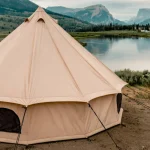

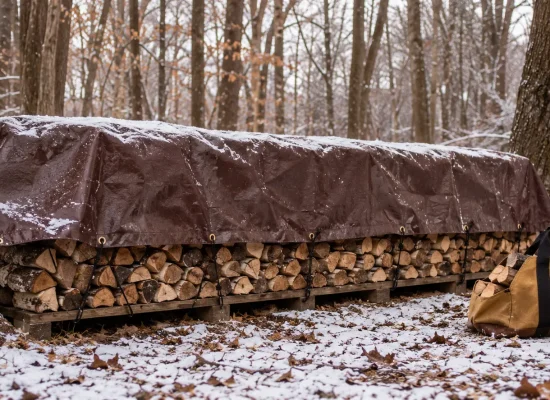
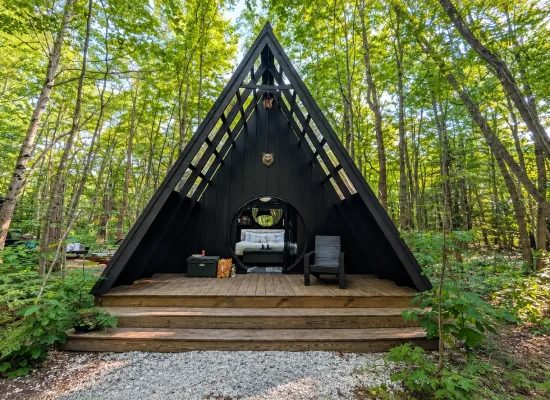
For me, successful camping boils down to comfort. My experience camping began with my base tent, cot, and heat source combination. If I get that right, the rest is gravy. My first choice of tent is a canvas hot tent with a wood stove. It doesn’t come much better! I prefer the 13′ size of tent. I prefer the larger size wood stove, so I don’t have to burn so much wood all the time. When it comes to cots, that’s a personal choice, but do your homework. Find one that suits you exactly. I use my camping gear for hunting, fishing, and nature retreat trips year around. If you’re trying to use a Walmart tent, then Buddy heaters are the way to go. Don’t forget the 20 Lb. (minimal) propane tank, propane tank thermal cover, and the thermal heat fan for circulation of heat. I have an 8′ utility trailer I have dedicated for camping. I just have to restock it, hook on, and away I go. I enjoy being one with nature, and tent camping is about as close as I can get comfortably. The initial price of tent camping, compared to trailer camping, is minimal, so don’t let that hang you up. And for you who live in potential disaster areas, now’s the time to get everything together for survival’s sake.