
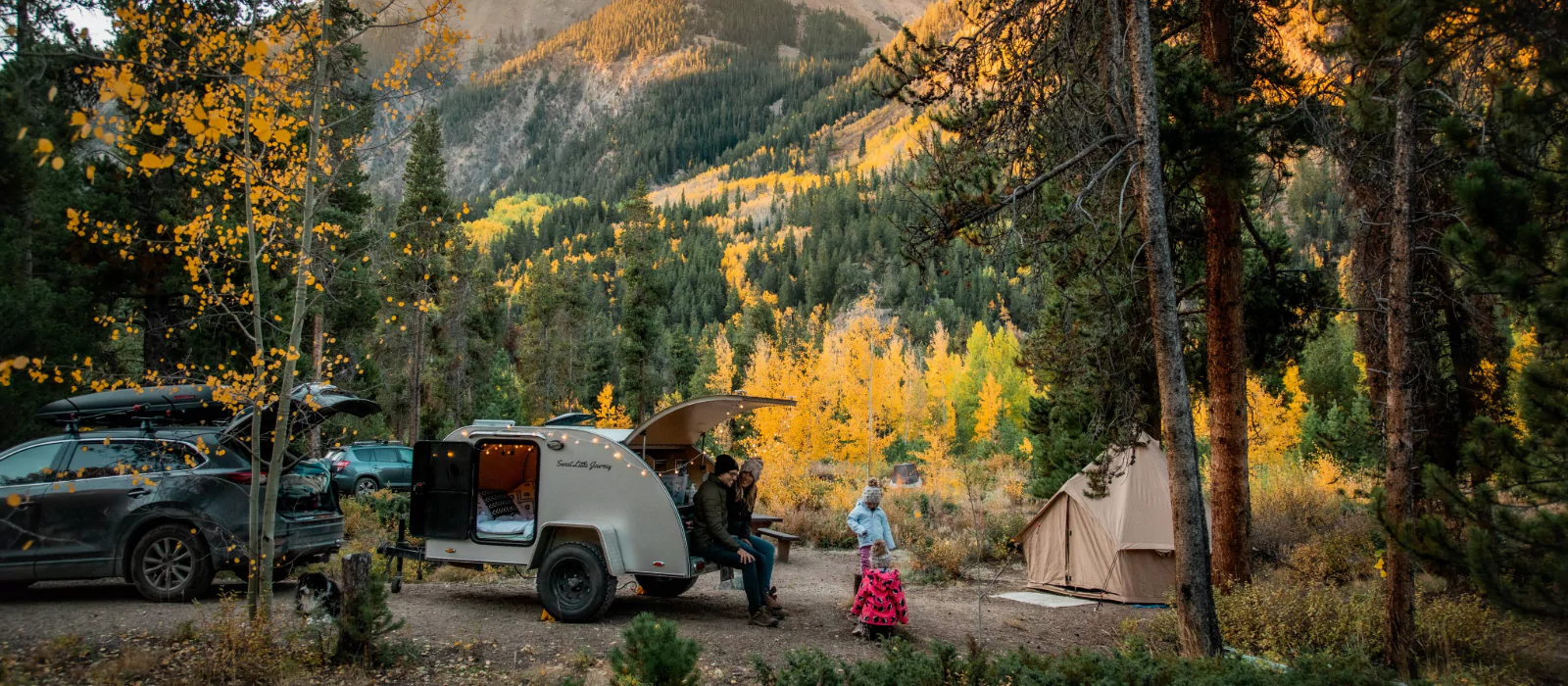
The mountains are calling, and the stars have aligned to let you take off on a last-minute adventure. Planning a trip on short notice may seem like a daunting chore, but these tips and tricks will make your prep work a breeze and get you out in the fresh air in no time.
Table Of Contents
Tip #1: Secure a Campsite
Perhaps the biggest requirement for any camping trip, whether it be a spontaneous solo adventure or a week-long trip with friends, is having a reliable place to spend the night. National park campgrounds often fill up quickly in the summer months or on weekends, but the growing camping community also means that there’s a growing number of private campground options accessible to you.
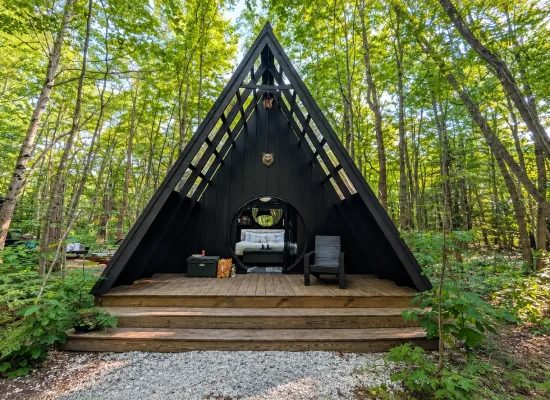
Think outside the box by looking into rentable treehouses, yurts, or mobile homes, or take the road less traveled and explore a backcountry or dispersed camping option on public lands. Some national and state parks do offer same-day reservations, though, so if you have your heart set on a certain location it’s always worth double-checking to see if they have any availability.
Check the amenities at whichever location you choose so you’re best aware of what additional supplies you may need to bring. If your campground provides restrooms with potable water, for example, you may not need additional water for washing hands or dishes.
Tip #2: Think Through Your Gear
The Basics
Your basic gear should remain the same regardless of the length of your trip or the location. Make sure you have a suitable sleeping bag or cot with a weather rating sufficient for at least ten degrees below whatever the coolest temperature is that you expect to experience.
Bring along the proper shelter, whether that be the WhiteDuck Alpha Wall Tent for a large group or a simple hammock setup for a single traveler, and don’t forget the little extras that go a long way towards making your stay comfortable. Some examples are a tent footprint, otherwise known as a ground tarp, to protect you from having any gear ruined from dew and ground moisture; any necessary tent stakes; a good rainfly or extra tarp if your tent doesn’t already come equipped with one; a tent stove and burn mat if you’re planning to hot tent camp.
Survival Essentials
While you’re packing, keep your essential survival equipment close at hand. This includes a strong and decent-sized length of rope, a sharp knife, matches, a flashlight with additional batteries, and a first aid kit. You can also include road flares, fire starters, MREs, and safety blankets to round out your emergency supply.
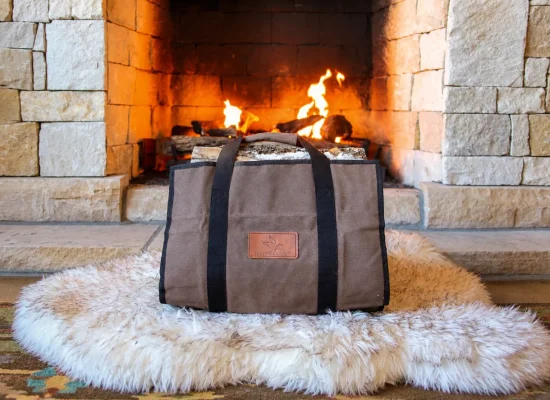
Now that you’ve considered the basics of shelter, sleeping equipment, and emergency supplies, you should think about the location and weather you’ll be exposed to while on your adventure. Pack a good insect repellent and sunscreen if you’re camping in warm weather where bugs are likely and UV radiation is high, or stock up on extra fire starters and wood if you think that most of your tinder for a fire will be damp or difficult to source. Pack everything into a strong canvas duffel bag, and you’re on your way to being ready for your adventure.
Clothing
When you’re preparing for a camping trip, it’s crucial to have at least a little idea of what you’re getting into before you set off on the trail. Always check the weather, and dress accordingly. Sometimes the difference between a successful trip full of good memories and a miserable outing is as simple as throwing an extra jacket into your pack before you hit the road.
If you know you’ll be in intense summer heat for most of the day, pack lightweight, moisture-wicking clothing that will help keep sweat off of your skin and allow you to naturally cool down without exposing too much skin to harmful UV radiation. Choose comfortable, breathable, and waterproof footwear that will be durable enough to protect from rocky ground if you’re hiking or spending time in the water.
To plan a cold-weather camping trip, follow the three-layer rule when deciding what clothes to bring along. Your first layer should be moisture-wicking and breathable to keep the sweat off of your body and help aid mobility. The second layer is where you can pack in the warmth– down jackets, fleece, or other insulating materials to help you retain body heat.
Your outermost layer, then, should be your waterproof and wind-resistant layer. Wearing a good-quality rain jacket or windbreaker as your final layer will keep the harshest weather away from your insulating layers and allow you to stay warm and dry.
Tip #3: Stick to a Menu
While you may not necessarily be enjoying a five-star dining experience while camping, it’s important to outline a menu before the trip begins– and stick to it once you’re out and about. If you take a few minutes to think about your number of meals, quantity of food, and nutritional needs beforehand, you’ll save yourself from either overpacking and letting food spoil or from living off of the same bag of hot dog buns for three days in a row.
Consider the limitations of your campsite when brainstorming dishes, and bring along food that is relatively easy to pack, prepare, and clean up. Does your campground have grills and fireplaces available to every campsite? Feel free to bring along a cooler with barbecue or burger supplies. Will you be roughing it along the trail on a mountainside climb? Pack a few of your favorite dehydrated or precooked meals and a portable propane stove so you don’t have to worry about maintaining a fire while on the go.
In addition to your main meals, bring some extra protein and carb-heavy snacks to keep you well-fueled during the day. Try jerky, energy bars, instant oatmeal packs, trail mix, or fruit leather as ways to have a lightweight but nourishing trail snack.
Possibly the most important part of your menu isn’t food at all, but instead your water supply. Bring as much water as you can, and invest in a portable water purification kit for replenishing your water store if it starts to get low. Whether you’re in warm or cool weather, staying hydrated is the number one tip for a successful camping trip. Having extra water on hand will also make cooking food, cleaning dishes, and washing hands easier.
General Tips
- Keep an open mind when it comes to your ideal activities. A last-minute adventure often means you’ll have more of an adventure than you realize– and this certainly isn’t a bad thing.
- Use a checklist when packing to make sure you’re not leaving behind any crucial items.
- Pack to unpack. When loading up your vehicle or your backpack, think of what you’ll want to access first, and place this at the top of the pack or closest to the doors of your car. When you go to set up camp, then, you won’t need to dig very far to find exactly what you’re looking for.
- Locate the closest convenience store to your campsite. Even if it’s quite a ways away, it’s a comfort to know the nearest location to get emergency help if needed or pick up any forgotten items.
- As always, practice Leave No Trace guidelines throughout your trip. Bring along empty trash bags to collect your waste and dispose of it at home, and leave behind any pieces of your natural surroundings (rocks, plants, etc) to help keep the area well maintained for the future.
Basic Checklist
- Tent and stakes
- Ground tarp
- Mosquito netting
- Insect repellent
- Sunscreen
- Sleeping bag/cot and sleeping mat
- Flashlights
- Water purifier
- Matches/lighter
- Firewood, if necessary and approved by your campground
- Wood axe, handsaw, and/or knife
- Rope or paracord
- Camping chairs
- Appropriate clothing
- Portable propane stove and fuel
- Dishware
- Multipurpose soap
- Toilet paper
- Toothbrush and toothpaste
- Baby wipes
- Trash bags
- Emergency blanket
- First aid kit
Enjoying the outdoors is well worth it, even if you don’t have much time to plan. On your next last-minute camping trip, don’t be deterred by a little spontaneity– follow these tips and tricks, and have fun!


No Comment! Be the first one.