

Those blistering cold days of winter are behind us and the flaxen daylight is lingering until early evening. Summer is coming, which means it’s time to gear up for every elevation, every climate, and every chance to get outside. While it seems more and more difficult to get away, the first step is getting your gear and your setup squared away. These camping checklists will have you out the door and in the backcountry in a snap, ready for any conditions.
Spring is heating up, but these late-season snow storms should only be a reminder of how unpredictable the weather can be. Snow in April, sleet in May, monsoons in June? We’ll see. For everyone looking to get away for a few days, take in the crisp mountain air or brace the warm desert sun, a detailed camping checklist makes for a solid foundation and a good time. I’ll break down the bare necessities in this article, but first and foremost, you need a camping tent.
What’s in a Camping Tent?
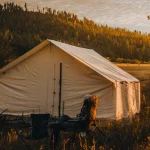
Your tent is your home away from home, your canvas castle, your backcountry base camp. Getting this right is absolutely the first step. To find the best tent, I like to think about what my primary needs are:
- 3 seasons, or will there be winter camps in the future?
- Airflow: no one likes to sleep in a muggy sauna.
- Height, is standing up important to you?
- Floor size, how many people will be in there with you?
- Canopy: do you want your tent to have a front porch?
I like a bit more room in my tent than is needed just for sleeping. Consider the gear you’ll be storing but also keep in mind any downtime you might have in the tent. I like to spread out a bit with a book during the hot part of the day, maybe play some Gin Rummy while a storm blows over. I also like to have a canopy over the entranceway. This acts as another room/hang-out spot when the sun is high. Throw down an old blanket, kick off your hiking boots, and sit in the shade. White Duck Outdoors makes some stellar awnings for exactly this purpose. After all, this is your outdoor outpost, make sure you’re comfortable.
The Camping Essentials your Tent Needs
While some tent features are optional and dependent upon your needs, there are some things that are simply non-negotiable when purchasing your camping tent.
- Tent stakes: every tent comes with them for a reason. Keep extras, use them, excessively if necessary.
- Rubber mallet: Don’t be the one pounding your stakes in with a rock.
- Ground Tarp: Not the most fun waking up in a puddle when that rainstorm you swore was headed south takes a turn. This can be a canvas tarp or a plastic tarp, just make sure you have one.
- Guy ropes: You can go far in life, but your tent will go farther in the wind. Tie it down.
- Storage bags: For stakes, poles, your ground tarp, and the tent proper, keep them separate, and keep them safe.
Here’s What’s Cooking
Once I’ve arrived and staked in my adventure headquarters, it’s time to unpack the camping essentials, and while yes, a refreshing beverage and a strategically placed hammock are in the near future, that will have to wait. Perhaps the second most important location on your trailside retreat is the kitchen. If you don’t prepare, here is where a lot can go wrong, but if you stick to this camping checklist, oh so much will go right.
- Stove/Table: Keep a separate table for your stove where you store your cooking utensils and manage your raw and cooked ingredients. It’s gonna get hot and messy, so keep it away from the dining area. I like at least two main burners for cooking but a third, separate burner to boil water for dishes, coffee, etc.
- Pots/Pans: Make sure you have one good-sized frier with 2” sidewalls and one small stock pot for sauces and boiling water. Include whatever other pans you prefer, but these two are standard.
- Spices/Cooking Oil: This might sound silly, but keeping a designated stache of spices in your camping gear will make you the conversation at camp. Campfire tacos are good, but well-seasoned carne asada in the wild is a game-changer.
- Cutting boards: At least two. One for veggies, the other for meat.
- Kitchen knife: A penknife in the backcountry while solo trekking through the Sawtooth Range is admirable. I still like a modest 6” chef’s knife for basecamp.
- Plastic Plates/Cutlery: Spare the trees ditch the paper plates, and leave the bone China at home.
- Tin foil/plastic and trash bags: You can cook on the fire with tin foil, store leftovers, and line your pans to keep them clean. Plastic bags for marinades and water-tight storage, and don’t, I can’t stress this enough, don’t forget plenty of trash bags.
- Plenty of water: It’s our lifeblood, and too much is never enough.
- Extra propane: The other option is rubbing two sticks together until it spark.
While many of my kitchen items will change depending on where I’m headed or the time of year, I keep a tub labeled “Camping Kitchen” with these above items on the ready. Other kitchen-standard items on your camping checklist can include:
- Cooler with ice
- Matches/lighter
- Coffee maker/kettle
- Dishwashing supplies (biodegradable soap, sponge, basin)
- Water containers/jugs
- Water filter/purification method
- Meal ingredients and snacks
- Can opener
- Bottle opener/corkscrew
Playing Prometheus
The next sweet spot in our nomad’s nest is going to be the communal space including camping checklists for Setup & Comfort and the winddown hub: The Fire Pit. I’m not going to tell you what to do around the fire, but a harmonica and an acoustic guitar as accompaniment, while you’re crooning in the Cascades, is always a safe bet. After a long day of pushing peaks, swimming in crystal springs, or seeking shade, everyone gathers around the fire, and a few essentials will ensure everyone stays warm and mesmerized by the flicker of the flame.
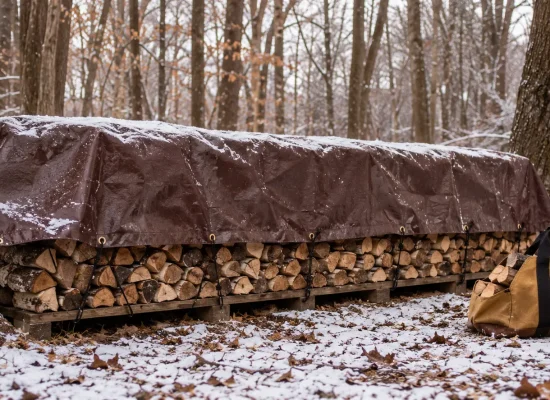
- Wood: It sounds so simple but do your best to purchase wood locally or find fallen trees. Don’t be mean, and don’t cut green.
- Hatchet: Just like the young adult novel by the same name, this tool will also save your life, even if you don’t need saving.
- Tinder: Something easy to burn. Get your fires going in a jiffy before the evening chill sets in.
- Matches/Lighter: Already mentioned above, but I can’t stress it enough. Have multiple.
Making Camp Comforts a Breeze
For the Camp Setup & Comfort section of our camping checklist, there is a couple of items you don’t want to forget, and then a general checklist to ensure you don’t forget the creature comforts from home.
- Camp chairs: Nothing like that first seat after a long day of primitive living.
- Lanterns and Flashlights: I keep a couple of these just around camp for those who aren’t wearing or forgot their headlamps. They’re good to have for middle-of-nowhere mood lighting too.
- Headlamps: Don’t be like the person above who didn’t bring their headlamp.
- Extra batteries: AA, AAA, C, D, 9v, carry a few of them all. You’ll never need them until you do.
- Multi-tool or Pocket Knife: more stuff needs cutting and pinching and puncturing and twisting and fiddling than you think. This is the best single item to help you on a camping trip if things go awry.
For me, these items are necessary. But here is a list of some things that can come in handy. Being prepared for any situation is the benchmark we should all strive for when embarking on the wild.
- Duct tape
- Rope or paracord (extra besides your tent cord)
- Dustpan and brush (the tent always gets sandy)
- Tablecloth or table cover
- Clothesline and clips
Keep it Personal
As for your personal effects, I can’t tell you whether you run hot or cold, like to hike in the rain, or if you like to keep those Merino wool socks dry after a stream crossing. But I can tell you how to prepare for all possibilities. For the necessities, I recommend the following:
- Weather-appropriate gear (in layers): It’s always colder in the morning and hotter during the day. Be ready to shed and apply more layers as needed.
- Extra socks/undies: Feel fresh every time, all the time.
- Multiple shoes: Of course, you need trail shoes or boots, but sandals or slip-ons are a nice reprieve back at camp after strapping up your boots all day.
- Shade hat: Crispy ears and a roasted forehead and neck are never fun.
- Towel and washcloth (multiple): I use one for river/lake playtime and another specifically for post-shower getting clean.
Just a Few Never-Forgets
These are a few items I like to have that I used to frequently forget—I once believed my hat negated the need for sunglasses. Now these are standard additions to my travel kits. If I’m going above 10,000’, slinking into the salty ocean from a beach, or sprawling out with an oversized jug of water in the desert, these items are on me. This camping checklist should round off the camping essentials to get you fit for this year.
- Sunglasses
- Toiletries kit (toothbrush, toothpaste, soap, etc.)
- Towel and washcloth
- Medications
- Sunscreen
- Insect repellent
- Hand sanitizer
- Biodegradable toilet paper
- First aid kit
It’s Okay to Keep Connected
I know everyone has a phone in their pocket now, but for special trips, I like to pick up a few disposable cameras and hand them out to the crew. A touch of the analog in a digital world. When we get home, we swap photos and save a few personal shots for the fridge. But for those who can’t leave the tech behind, remember to charge up.
- Phone and charger
- Portable power bank
- Car charger adapter
- Camera
- Maps of the area
- Compass
- GPS device
- Weather radio
Bag Up your Camping Essentials and Go
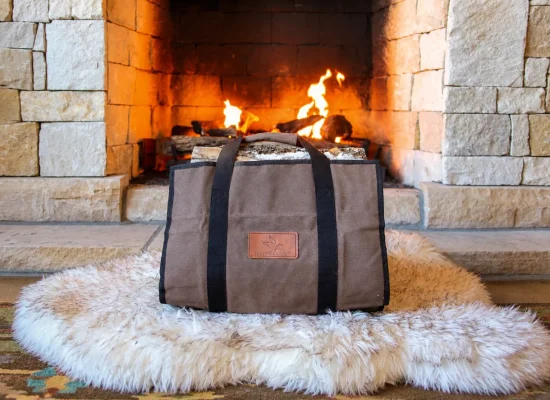
Above, I mentioned a tub I keep my Camping Kitchen in, and this is a great idea, but I would highly recommend fitting all these different camping essentials in their individual camping bag. Clothes and personal effects in one, kitchen goods in another, and so forth. Similar to the camping tent with all the necessary accoutrement in their own bag, keeping your gear organized will make getting ready to get out there, and reluctantly heading home, much easier. White Duck Outdoors has log carriers and canvas duffle camping bags that make packing a cinch. Pack it in, pack it out. Prep for anything. Enjoy everything. I’m sure I’ll run into you out there. Happy trails.


No Comment! Be the first one.