

There’s nothing quite as enchanting as waking up to freshly fallen snow draping evergreen trees and blanketing the forest floor. Nothing is as comforting as drifting asleep to the steady sound of rain hitting the roof of your tent after a long day of trekking or hunting in the chilly winter air. But camping in the winter can sometimes seem intimidating. There’s more gear involved, more risk, and of course, there’s the matter of staying warm. But with a well-thought-out plan, the right materials, and an optimistic attitude, camping in the winter can be an incredible and comfortable experience for all levels of outdoors expertise.
Table Of Contents
Here are a few ways to heat a tent for cozy nights at camp
First things first: tent material matters! Sure, we might be biased towards our canvas tents, but it’s for good reason! Nylon and other synthetic materials tend to be thin, and flimsy, are more vulnerable to the elements, and simply don’t hold heat as well as canvas. Using a canvas tent is ideal for colder temperatures because of the tightly woven fibers that have been treated with waterproofing, and reinforced zippers, walls, and seams. And once the interior is heated, there is little opportunity for that warmth to leave the tent.
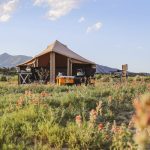
The beauty of White Duck tents is that they are built to endure all seasons– mild and extreme weather and temperature conditions. Our Alpha Wall Tent, for example, is an ideal winter camping tent. It is built with a pre-installed stove jack, to ensure smoke from the stove can make an easy escape outside, while the warmth stays trapped inside.
Heaters & Stoves
After choosing your canvas tent, the next consideration arises: how to keep it warm.
There are a few options to choose from: propane space heaters, or wood burning and propane stoves. You’ll want to also think about how large of a space you’re trying to heat up, power sources, and safety risks and features.
Indoor-safe space heaters and stoves are easy to pack, set up and tear down. However, these present more of a safety hazard because they’re usually electric, propane, or butane. If you’re using a propane space heater or stove in a tent, there must be ventilation while it’s running. There is a much higher risk of carbon monoxide poisoning due to the gas these release while running. In a confined space, like a camping tent, they also pose a fire hazard, electrical malfunctions, or gas leaks, jeopardizing the safety of campers.
Wood-burning stoves, on the other hand, are a much safer and more reliable option. They are not only highly effective and easy to use but also offer that classic, cozy ambiance all campers strive to achieve on their winter adventures. Using completely dry wood for the best quality fire, the flames remain contained inside the stove, while the smoke is filtered through a stove jack and safely outside.
White Duck offers a wide range of camp stoves to choose from– both propane and wood burning– all with their special features to be the perfect fit for your winter camping tent setup. Some are more lightweight than others, but each one will offer radiant heat that will surely bring color back to everyone’s cheeks. The Alpine Stove is built with heavy-duty steel, allowing it to easily hold heat for longer and warm a much larger area than other lighter-weight stoves. It’s easy to pack, clean, and assemble, and best of all, the Alpine even comes with a built-in hot water tank. Campers can simply pour themselves a steaming cup of tea to warm a cold night. Nothing makes a tent feel more homey than the glow and crackle of a wood-burning stove.
Pack Proper Clothing
No matter how well-heated the interior of your tent is, maintaining a healthy body temperature is of the utmost importance. Packing warm base layers and clothing is essential for a successful winter camping trip to ensure comfort and safety in cold conditions.
Wool and moisture-wicking fabrics should be the foundational pieces to your winter wardrobe, as these will help insulate you while still offering some breathability. To ensure you’re trapping as much heat as possible to your skin, prioritize layering. Bring waterproof and windproof outer layers to protect against the harsher elements. Remember that trekking through the snow will naturally raise your body temperature, so you can always shed a layer if need be. And of course, don’t forget your favorite pair of fuzzy-lined slippers for shuffling from your sleeping bag to the stove to pour yourself some hot coffee in the morning.
Interior
Rugs & Heavy Duty Tarps
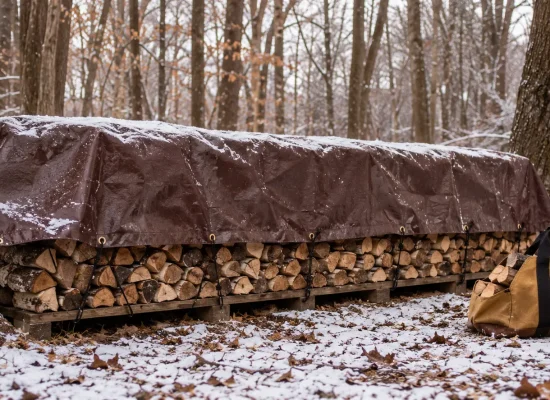
For extreme temperatures, it’s always a good idea to bring extra layers of ground coverings to add a little bit more density on the floor to trap heat in and to have a cozy floor to walk around on. White Duck offers some great heavy-duty tarps, and a wool rug is always a nice touch. As for bedding, a wool or down sleeping bag or comforter is ideal. If you’re in particularly cold conditions, always opt for down. Remember to use a sleeping pad or mattress that will keep you lifted off the cold ground and has the mass to retain heat.
Some extra rechargeable heated accessories could be a fun addition to your winter camping gear. Consider bringing hand warmers, heated blankets or mattress pads, and even battery-powered articles of clothing like heated vests, gloves, or socks to keep you extra cozy.
While winter camping comes with its own challenges, staying warm doesn’t have to be one of them. With a little extra care and planning, you can comfortably enjoy the unique wonders that the frosty wilderness has to offer. Don’t let the cold deter you from doing all your favorite outdoor activities! Gear up, get cozy, and remember that every season is an opportunity for adventure and reconnection with nature.


No Comment! Be the first one.