
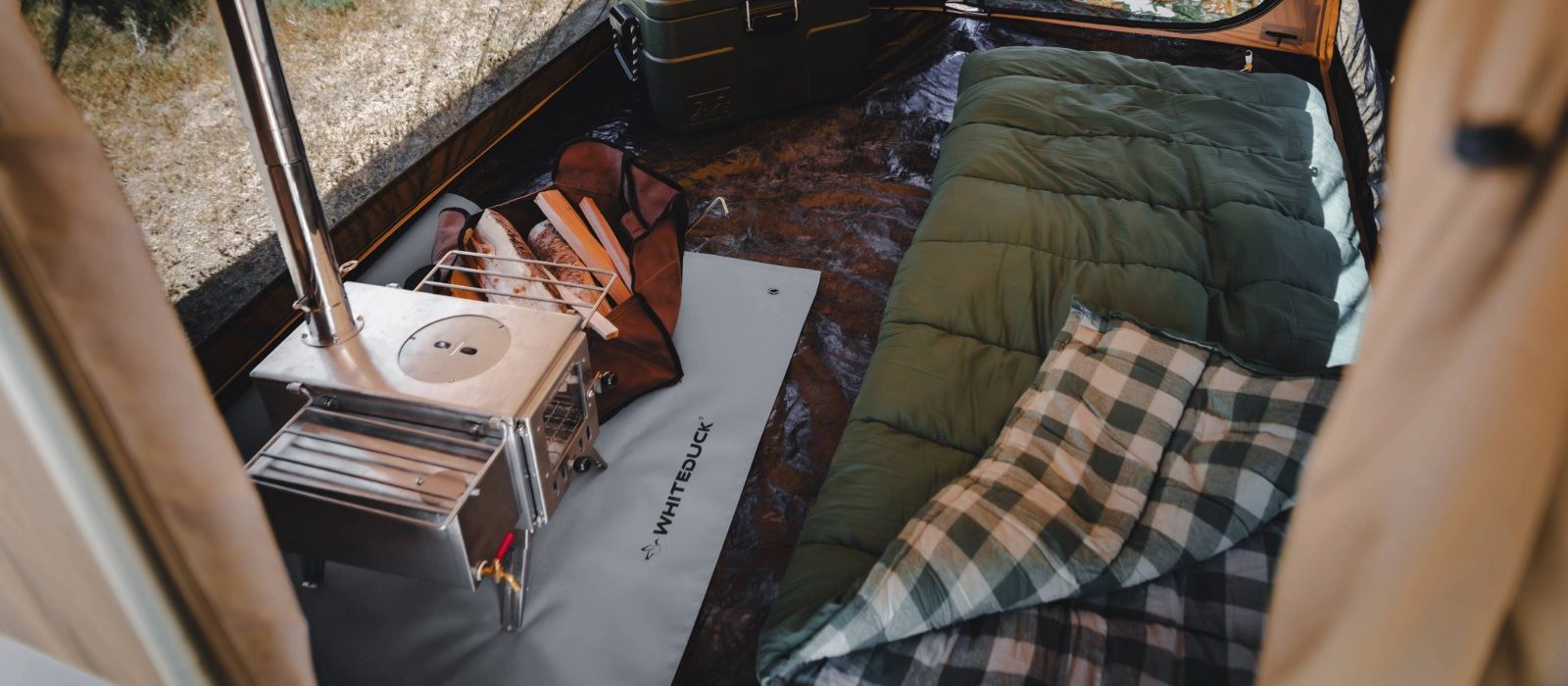
This year, invest in a great outdoor sleeping bag. One that supports comfort and keeps you safe and cozy all night long. Learn all about how to choose between different types of insulation, find out what shape is right for you, and discover technical details that enhance rest.
Table Of Contents
- Choose a Luxury Sleeping Bag: Comfort, Style, Practicality
- Sleeping Bag Fills: Down vs Synthetic
- Sleeping Bag Shapes
- Mummy Sleeping Bags
- Rectangular Sleeping Bags
- Semi-Rectangular Sleeping Bags
- Double Sleeping Bags
- Temperature Ratings
- Cozy Materials
- Technical Enhancements
- Zippers
- Security Pockets
- Comfort Features
- Packing Bag
- Final Thoughts
Choose a Luxury Sleeping Bag: Comfort, Style, Practicality
Make sleeping under the stars an unforgettable experience. When you prioritize choosing the right sleeping gear that matches your needs, it can seriously enhance your rest and overall outdoor experience.
Getting good sleep is, after all, essential for all the adventures you have planned. Muscle recovery, brain cognition, energy, and so much more. Treat yourself to a sleeping bag designed to support that much-needed rest.
A good sleeping bag is much more than meets the eye. It involves high-quality materials, appropriate insulation, technical details, and so much more. In this blog, we will discuss all the various factors that contribute to making a great sleeping bag. From shapes to temperature ratings, fills, and features. Keep reading and discover how you can get an amazing night’s sleep in the great outdoors.
Sleeping Bag Fills: Down vs Synthetic
The insulation in sleeping bags is called a fill. This fill can either be made from down feathers or a synthetic material. Both have great benefits to offer, and differ depending on needs. Fills generally work not by creating their own heat, but by trapping heat, like body heat, in small pockets of air between fibers.
A synthetic fill is typically made from fibers meant to mimic natural elements. For example, a synthetic fill may consist of polyester that is either raw or recycled. It is a highly durable and long-lasting material. While it’s not as lightweight as down, it does tend to stay dry in damp conditions. Synthetic is often a more affordable option compared to down.
Down fill consists of the fine feathers of a duck, goose, or other bird. It’s often more expensive than synthetic fills, though the soft, natural material packs a lot of heat in much less weight. In wet conditions, however, down struggles to stay dry.
Deciding between the two will ultimately depend on campers understanding of weight limits to their packing strategy, and anticipated precipitation on their outings.
Sleeping Bag Shapes
Sleeping bags come in lots of different shapes and sizes. And they all have a purpose! Mummy sleeping bags, rectangular sleeping bags, and other shapes have so much to do with what type of conditions they are meant for, what temperature ratings they likely have, packability, and more.
Mummy Sleeping Bags
A mummy-shaped sleeping bag looks like it sounds! This tapered, body-hugging design is specifically designed for maximum heat retention. The design usually comes up around the head, too, creating a hood-like shape. Sometimes even covering part of the face!
In cold climates and high elevations, this is an excellent choice. Typically filled with down and a nylon exterior, mummy bags are often intended for light packers who require lots of warmth. They’re great for backpackers, winter campers, climbers, and mountaineers. Of course, they also do great on a regular camping trip, too! Expect reliable warmth, light packing, and technical specs.
Rectangular Sleeping Bags
A rectangular sleeping bag, despite the name, is anything but boring. This shape makes for an excellent, versatile, comfortable sleeping bag. A rectangular, roomy shape often suits a wide variety of individuals and includes extra attention to comfort factors. When choosing your own, look for features like a wedge-shaped footbox, padded neck and pillow areas, and more.
These usually have a two-way zipper track, too. So they can be partially unzipped for more versatility and ventilation. Or, they can be fully unzipped for a comforter-style blanket.
Semi-Rectangular Sleeping Bags
A semi-rectangular sleeping bag is sort of the perfect combination of the hug-like shape of a mummy bag and the roominess of a rectangular bag. As the name suggests, it is somewhere in the middle. The beauty of this sleeping bag is that it allows a wider variety of body types, the same comforts and technicalities as a mummy sleeping bag, and all the wiggle room of a rectangular sleeping bag. It’s perfect for the camper who wants a little bit of both.
Double Sleeping Bags
A double sleeping bag has room for two! Be that a partner, a pal, or a furry friend, or those just wanting a little extra wiggle room. Double sleeping bags make great, extra-large comforter-style blankets, too, when fully unzipped. Perfect for the whole family!
Temperature Ratings
Knowing the weather and temperature conditions of where you plan to camp will help inform which sleeping bag will serve you best. If you’re considering more extreme cold temps and higher elevations, a down-filled, mummy-shaped bag might be the way to go. This is a more specialized sleeping bag, supporting significantly lower temperature ranges. They are often available with ratings as cold as 15° Fahrenheit and below!
Standard sleeping bags like rectangles, doubles, and semi-rectangles also support a wide range of temperatures, though typically not in the extremes. These are perfect for anywhere between 0° Fahrenheit and 50° Fahrenheit. They equip campers for comfortable rest in a wide variety of seasons and scenarios! For both shoulder and peak-season camping, it’s a great option.
It’s important to note that temperature ratings describe a comfort range in the sleeping bag, which is useful in. Always plan to use a sleeping bag with a rating at least 10° colder than the temperature you plan on being in.
Cozy Materials
A great sleeping bag is constructed with care. Soft yet durable materials are a must! A rip-resistant exterior helps ensure that snags and tears stay to a minimum. That means bringing your sleeping bag outside for a night of stargazing is much easier! And what’s better than cozying up into buttery soft flannel lining at the end of the day? Choose a sleeping bag with cozy, warming materials inside for added comfort.
Technical Enhancements
Like most camping gear, little technical enhancements can make or break an item. It’s the details that count when it comes to not only a quality piece of gear, but also a quality night of sleep. Check out everything from zippers to pockets as you choose your sleeping bag!
Zippers
No one likes dealing with a sticky zipper on their sleeping bag in the middle of the night! Look out for heavy-duty zippers that are snag-free, with a two-way track. Not only do these glide smoothly, but they also allow campers to give themselves a little customizable ventilation when needed. Some sleeping bags may even come with zipper repair parts, just in case it does get stuck.
Security Pockets
Secret storage pockets on a sleeping bag are an awesome bonus. An interior pocket makes it easy to store small valuables overnight. These are often just big enough for things like keys, wallets, a journal, and other little things. It can certainly aid a good night of sleep knowing your valuables are safe.
Comfort Features
Extra, intentional comfort features are what make a sleeping bag worth cozying up in. A wedge-shaped footbox in a rectangular sleeping bag adds plenty of room to stretch. Contoured padding around the neck and pillow area adds support and extra insulation. Even something like an interior cinch around the torso helps hold warmth in.
Packing Bag
Having a great packing bag helps create ease around a sleeping bag. It makes packing easier, cleaner, and more organized. A cylindrical shape with a draw string cinch is typically the standard shape. With a durable exterior fabric, sometimes even waterproof, these make stuffing a sleeping bag easy, and packing a lot less stressful!
Final Thoughts
When it’s time to call it a night, crawl into a sleeping bag that you know will keep you safe, warm, and well-rested. There is much more to a sleeping bag than meets the eye! Having the right one can seriously impact your rest. And campers know that good rest and recovery can really make or break an adventure!
So, as you look for a sleeping bag to invest in, there are some key considerations to keep in mind. Everything from shape to insulation, to technical features, and more is what defines a good sleeping bag.
When you understand your needs as a camper, too, it helps inform the decision. Know the climate you’ll be in, temperature ranges, packability, and so forth. And of course, don’t forget about the little comfort details! Soft lining, padded insulation, and zippers all aid those precious hours of rest and relaxation.
Transform sleeping under the stars from an average night of sleep to an amazing experience. With the right sleeping bag, you won’t be able to wait to crawl under the covers!
Happy camping!


No Comment! Be the first one.