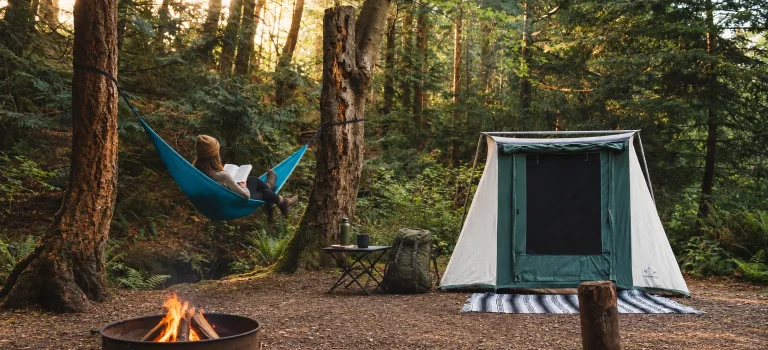
How camping helps in preventing stress and depression?
Camping combats stress and depression by promoting relaxation, reducing screen time, and connecting with nature and loved ones.

By Edward Cabot
We make White Duck gear and link to it where it helps. Read our advertising disclosure
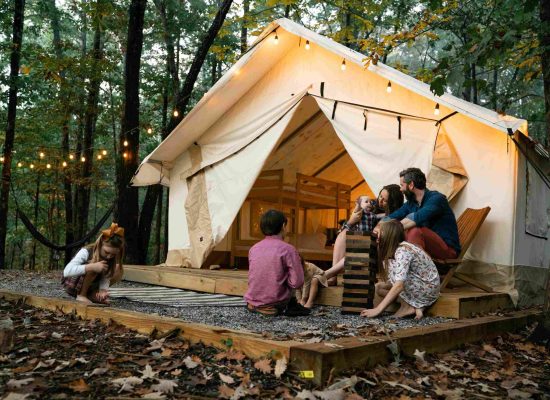
Have you ever found yourself feeling tranquil, more relaxed, or more attentive after spending time in nature? That’s because nature is very pleasing and compelling and time outside has studied and proven benefits for your mental health. Read more about canvas camping tents on our website WhiteDuckOutdoors.com.
Relieving anxiety, stress, and depression.
A humble and unpretentious stay in the outdoors can do wonders for relieving anxiety, stress, and depression. Manifold studies have demonstrated that nature has a very constructive and positive effect on your mental health. What you see, hear, and experience in nature can revamp your mood in a moment. There is a well-built relationship between time spent in nature and reduced negative emotions. This includes symptoms of anxiety, depression, and psychosomatic illnesses like irritability, insomnia, tension headaches, and indigestion. Feeling stressed? Research has shown various links between exposure to nature and stress reduction. The moment you start exposing nature and looking around for fascinating views, Stress is relieved within minutes of exposure to nature as measured by muscle tension, blood pressure, and brain activity. The cortisol, which is a stress hormone, reduces significantly when you spend time in green spaces. Nature also increases endorphin levels and dopamine production, which promotes happiness.
Other mental benefits.
Nature has numerous other brain benefits as well. Contact with nature has restorative properties, increasing energy and improving feelings of vitality and focus. Symptoms of ADHD also start reducing when you are near nature. Being at a place surrounded by glorious views of mountains, waterfalls, greenery, and natural beauty enhances creative thinking and restores the capacity for concentration and attention. Also for people who have problems of sleeplessness, a two-hour walk in the woods is enough to improve sleep quality and help relieve sleep problems. The process of circadian rhythm gets reset when you wake up with natural sunlight instead of artificial lights, which will help you feel refreshed after a better night’s sleep. The grief process of the human mind and body gets refined when they experience nature. This is because exposure to nature causes better coping, including improved self-awareness, self-concept, and positively affected mood. These positive effects of nature help people to make good relations with others and caring towards others.
What you can do.
Getting outdoors doesn’t have to be a lot of work. There are lots of simple ways you can get quality time in nature.
Walks in woods or green spaces.
Daily nature walks improve the physical and mental strength of people. It helps them combat stress while improving mental well-being.
Move your workout into the outdoors.
Regular use of natural areas for physical activity can reduce the risk of mental health problems. Bodily activities like walking, cycling, jogging, or doing yoga in a natural environment make you happier than in the city.
Book a camping trip.
Immersing yourself in nature for a longer period is the best way to absorb the health benefits of the outdoors. Especially when you are on a trip with your partner, family, or friends you share your problems with them, which makes you feel lighter and you get ideas or solutions to resolve your problems which lessens the stress on your mind and helps you feel the beauty of life and nature.
Ready for your nature dose?
Find a park near you to walk and look for the beautiful or dreamed places to camp where you along with your friends and family can relieve your stress or help someone to relieve his/her stress or depression.

About Edward Cabot
Guides from the people who design, test and support White Duck canvas tents and gear.
Was this guide helpful?