

Scout Tent
The scout tent is a classic lightweight A-frame tent, traditionally used by–you guessed it–scouts. This tent can easily be folded into a backpack and taken along for a long jaunt. Scout tents aren’t known for being especially roomy or fancy, but that doesn’t mean you can’t customize and improve upon the simple, classic scout tent design with some DIY upgrades of your own. Across today’s saturated market of tents for sale, the scout tent might just be the most versatile and deserving of optimization for years of continued multipurpose use.
Table Of Contents
Functional Upgrades
First and foremost, before advancing to design upgrades, the functional design of the scout tent could probably use some do-it-yourself magic. You’ll want to start from the ground up, reinforcing the security of the very elements of the scout tent’s design that make it so easy to transport, pitch, and cozy up in.
Protect the Floor
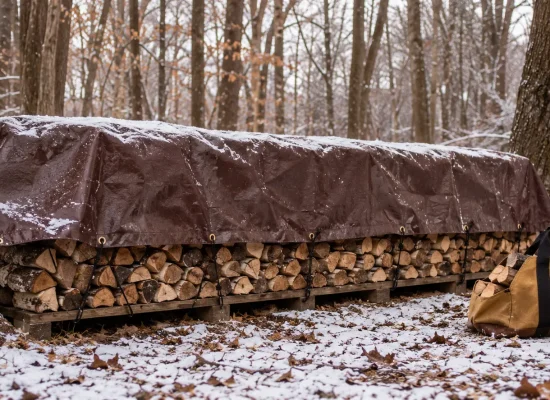
Beginning at square one, let’s bring some DIY upgrades to the very foundation of your scout tent setup. Ground tarps are a classic camping essential that can serve as a barrier between the bottom of your scout tent and the rocky, rough terrain below. A plastic tarp is most useful for defending your tent against seeping moisture, be it from the already damp ground, or from a surprise rainstorm. You can even double up on the protection provided by a ground tarp by hanging a second plastic tarp high in the trees above your tent–keeping it extra dry against rain or snow.
Tarps are typically thick, heavy sheets of durable material like canvas or plastic– they can be easily folded into your backpack along with your scout tent and carried from camp to camp.
Poly tarps are always our recommended plastic tarp option–these are extremely strong, heavy-duty all-season tarps designed to keep your camping gear dry and fresh no matter the climate or weather. Poly tarps are typically coated with waterproof, mold-proof, mildew-proof, and rot-proof chemicals that also keep the tarp from fading and breaking down under harmful UV rays.
Stability & Security
Two ways you can customize and upgrade the function of your tent is to stabilize and secure the overall structure as well as the entryways. First, cut a waterproofed cotton canvas cloth to fit your entryway–be sure it is large enough to also cover the zipper. Grab your sewing machine, or hand-attach the reinforcement flap to the outside of your doorway. By ensuring that the zipper and opening are covered, you keep moisture, bugs, and excessively cool/hot air from finding their way inside.
Next, swap out your weak guy lines for thicker, stronger ones made of heavy duty, durable materials that hold the entire tent structure taut and firm. Tighten them even beyond what you think they need. With new and improved guy lines, your scout tent will stand firmly against even the strongest of wind gusts.
While we’re on that note, let’s talk about the importance of strong stakes to hold your guy lines in place. Many different types of stakes fit many different terrains, but the most versatile of all must be Y-shaped tent stakes. The Y-shape at the base of the stakes reduces the probability that the stake itself will bend when under stress from wind or impact. The Y-shape also offers year-round support, as they are not only sturdy anchors but can even be driven into frozen ground.
Sleep Upgrades
Sleeping arrangements are another area in which an upgrade might be pretty appropriate. Inflatable air mattresses and self-inflating sleep pads are becoming increasingly popular ways to level up at bedtime. When you add custom-level comfy-cozy padding to your scout tent’s floor, you not only insulate yourself and your tent mates against the cold ground but also protect yourself from the aches and pains caused by hard roots and rocks that lie below. You may even choose to lay padded rugs down as a base layer of cushion for the sleeping area inside your tent.
Add soft furnishings like extra mattress pads, floor cushions, and LOTS of pillows to your scout tent for both decorative personalization and comfort. You will thank yourself when you wake up well-rested and at ease, rather than awakening with a painful crick in your neck before a long day involving a big hike or other active camping trip activity.
When furnishing your sleeping area, stick to down-insulated and woolen materials, as they will keep you the most warm without retaining potential moisture.
Ambient Upgrades
Next, let’s DIY some ambiance! Just when you thought your scout tent couldn’t get any cozier after all those pillows and blankets, you’ll create even more relaxing warmth with the right light fixtures and accessories. Battery-powered lanterns are a popular option for radiating a warm glow, and you can also buy solar powered string lights for a twinkly effect. String lights can be draped inside your scout tent along the ceiling and walls, or hung from trees outside the door to extend your newfound coziness.
Tent stoves are a wonderful addition to any tent setup, and you can even purchase small, lightweight, foldable ones to fit in your pack. Adding a stove jack and a wood stove to your scout tent is a wonderful upgrade that can greatly enhance the cozy feeling inside.
Temperature Regulation
A huge struggle for many campers is temperature regulation. Whether you are camping in a large, roomy wall tent, bell tent, or a small scout tent, it’s a constant battle with nature to keep the inside temperature consistent and comfortable both night and day. Here are a few ways you can increase comfort on your next scout tent camping trip.
Ventilation & Insulation
Investing in a canvas rain fly sheet is a great way to increase insulation in your scout tent. The Rover Scout tent is designed with extremely large doors (complete with bug screens) and windows that allow for maximum airflow throughout. While this makes the scout tent ideal for those who prefer camping in the warm months, it’s not a great feature during the fall, spring, and winter months when retaining as much heat as possible becomes the name of the game. Covering the tent with a fly sheet adds another layer of protection, as the canvas is thick enough to hold in heat but porous enough to allow for breathability and avoid stuffy, stagnant air.
Ventilation is absolutely crucial to a healthy tent environment. Opening the doors and windows to reveal the screens allows air to move through, drying out any moisture that could cause mold or mildew if improperly aired out. Each time you set up your tent, do so where the door will face directly into the direction of the wind. You may also choose to customize your existing ventilation system by sewing in light curtains to the inside of your tent windows, that can be rolled up and tied out of the way if you so wish. This enables you to leave the screens exposed for airflow, but have an extra layer of protection against gusty winds while you sleep or relax inside your tent.
Additional Heating & Cooling
A small tent wood stove can be a great custom addition to your scout tent not only for ambiance but also for warmth purposes. Also, having a tent stove makes it ten times easier to enjoy your morning coffee while still cozied up in bed. If a tent stove is too big for your backpacking setup or scout tent space, you may choose to enhance indoor warmth with a solar-powered tent heater.
Cleanliness & Organization Upgrades
Often, traffic in and out of the tent after long days of exploring nature means lots of dirt and filth accumulating in the same area where you are trying to comfortably sleep. Upgrade your space by making a custom dirty shoe rack or hanger to keep outside your tent. You can create one or both of these organizers with a few small pieces of wood and rope. This way, shoes never even make it inside, but they aren’t taking up space scattered about on your tent’s doorstep either. Inside your tent, craft pockets and attach them to the inner lining of the scout tent for holding devices and small accessories. Make or thrift baskets for organizing personal effects such as bags, clothing & gear inside your tent. Establishing your own organization system is a wonderful way to customize and optimize your camping experience.
Final Thoughts
However you choose to go about it, your DIY scout tent upgrade process is sure to reflect your camping preferences perfectly. There are truly no limits to the level of craftiness you can reach when it comes to customizing your own tent–these are just a few guidelines to help you get some ideas of areas that could use a little improvement when it comes to the function and personality of the scout tent.


No Comment! Be the first one.