
Uncategorized
- 6 guides
- Updated
Every story in Uncategorized
Showing 1–6 of 6 stories
- Uncategorized
- Uncategorized

Canvas Tent Safety Tips
- Uncategorized

Is a Canvas Tent Worth It in the Long Run?
- Uncategorized

Fun Outdoor Games for Campers: Relays to Campfire Play
- Uncategorized

Oregon Country Fair Camping: Everything You Need to Know
- Uncategorized

Glamping Redefined: Unusual Luxury Camping Experiences You Must Try!
From the White Duck shop
Gear for this topic
Prices and stock update from the White Duck shop.


Ground Tarp (opens in a new tab)
From $65

Avalon Bell Tent (opens in a new tab)
From $1,200
Quick questions about uncategorized
Short answers from our guides, each linked to the full article.
Have a question we haven’t answered? Ask the team
Your festival tent will be home base for the weekend. So, let’s make it a good one! Campers should consider their group size, the weather, and more. Is your tent able to accommodate your accessories? Do you have a heating and cooking solution?

Usually not right away. A new cotton canvas tent should be seasoned first: pitch it, soak it and let it dry completely so the threads swell and close the needle holes. Re-treat it with a canvas water repellent when water starts soaking in instead of beading.
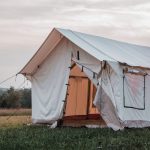
A cabin tent has near-vertical walls and a tall, rectangular floor, so you can stand up and use the whole space. A wall tent is the heavier, traditional framed canvas design, built for long stays and often for a wood stove. A dome tent uses crossing poles: lighter and faster, with less headroom.
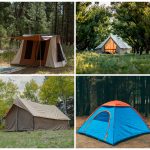
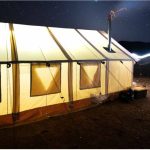
Yes, if the tent is made for it. Use a tent with a fire-resistant stove jack, set the stove on a heat-safe base with clearance from the walls, keep the tent ventilated and run a carbon monoxide alarm. Never use a stove in a tent that wasn’t designed for one.
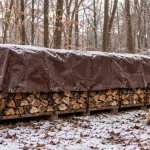
Stack it off the ground on pallets or rails and cover only the top of the pile with a heavy-duty tarp, leaving the sides open so air can move through. Wrapping a stack completely traps moisture and invites mold.
Brush off dry dirt, then spot-clean with cold water and a soft brush. Skip detergent, bleach and washing machines, which can strip water repellency. Always dry the tent completely before packing it away to prevent mildew.