
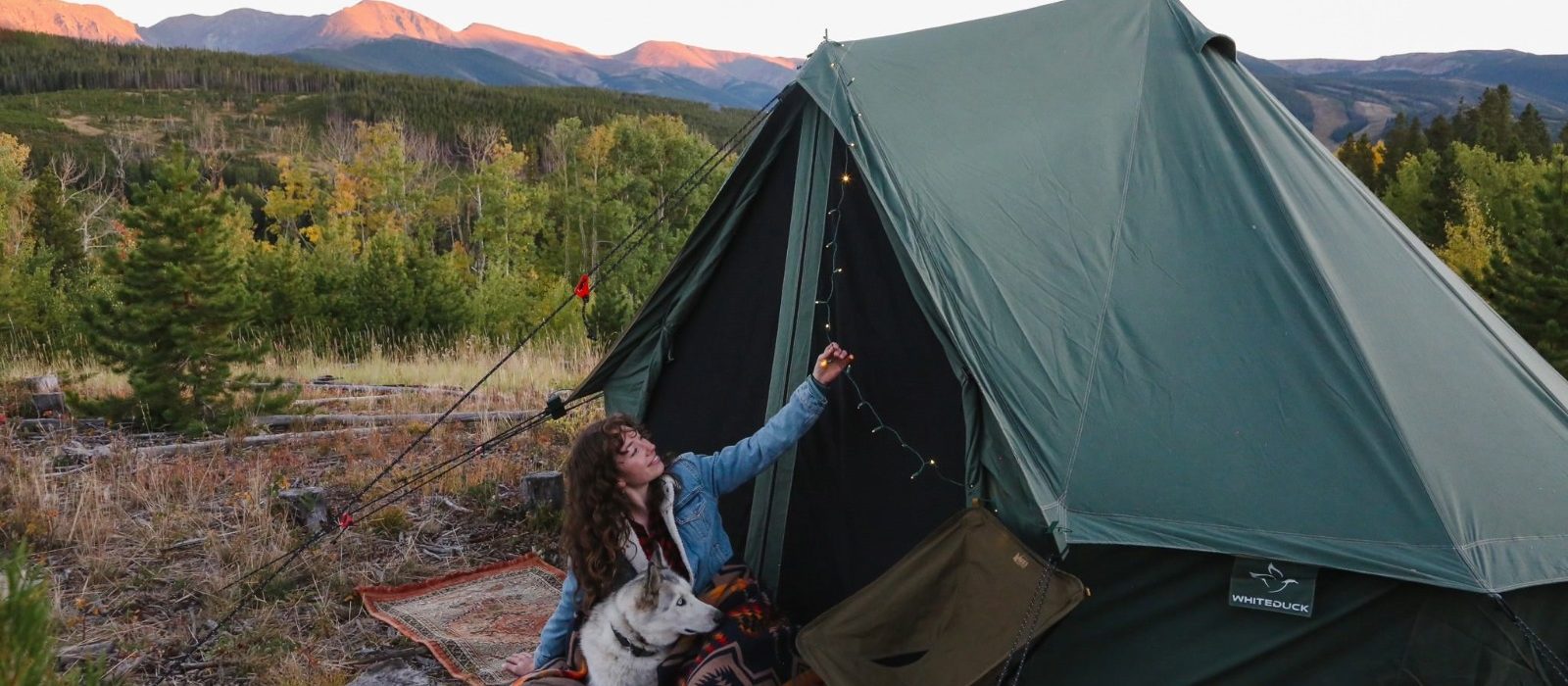
So you want to go camping, eh? As much as we all love the romance and allure of outdoor adventure, there is a reality to camping. That is, in the wilderness, anything can happen! From storms to wildlife encounters, no cell service, and more. Campers must be prepared, flexible, and confident in their survival abilities. And as rare as emergencies are, being ready is just a necessary part of every camping trip!
Table Of Contents
- A Camping Shelter to Keep You Safe: Canvas Tents
- What Are The Ten Essentials and Why You Should Know Them
- Navigation
- Fire
- Illumination
- Sun Protection
- Insulation
- Emergency Shelter
- First Aid
- Repair Kit and Tools
- Nutrition
- Hydration
- Emergency Items to Keep in the Car
- Wildlife Encounters
- Practice Makes Perfect: Testing Gear
- Leave It Better Than You Found It, And Other Outdoor Principles
- Wrapping Up…
So, to help you out, we’ve pulled together some of the best tips and tricks to help you feel ready for your adventure. Welcome to your camping survival guide! In this blog, we’ll discuss everything you need to know. This guide includes the Ten Essentials, survival tips and tricks, and more. Get ready for safe and sound outdoor memories!
A Camping Shelter to Keep You Safe: Canvas Tents
The best shelter for comfort and safety is a canvas camping tent. These are durable, heavy-duty, built-for-all-seasons tents. Bonus points if the canvas has been treated with water resistance and UV protectant! In all conditions, seasons, and terrains, a weather-proof tent is the way to go.
Canvas in its best form is definitely a wall tent. A galvanized steel framework and grounding system keep the tent secure to the earth. In all kinds of weather conditions, you can be sure your shelter won’t budge. Not to mention, a wall tent creates a much more livable space than other designs. Tall walls and ceilings offer headspace and room to move around. Sleeping arrangements are a breeze, too!
What Are The Ten Essentials and Why You Should Know Them
The Ten Essentials of camping is the ultimate list that covers a wide range of topics. It covers navigation, hydration, emergency shelters, and more.
As you prepare and pack for your outdoor adventure, use this as your guide. The list was originally developed by The Mountaineers. This was a Seattle-based outdoor club in the 1930s. Since the original publication, the Ten Essentials have remained the standard for outdoor safety. It’s a great resource to have in your back pocket!
Navigation
Navigation can be a tricky item to consider what to bring for it. Much of this has more to do with the principle and priority of knowing your surroundings. Bring a paper map and compass. Because as much as we wish we could, we can’t always rely on a phone battery. Tell other people of your whereabouts and plans, and don’t stray from the beaten path.
Fire
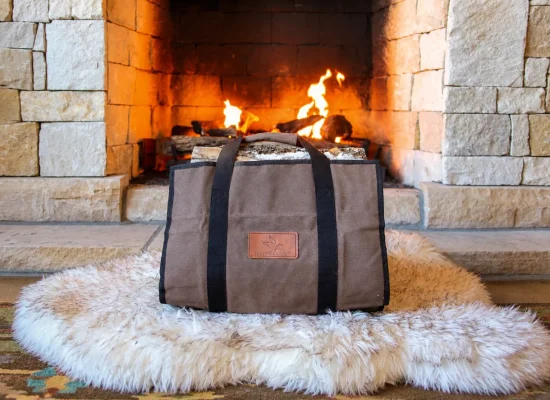
Building a fire is an essential part of camping, as this is your source of warmth, light, and ability to cook. Learn what you can about fire basics and get familiar with fire conditions in the area you’re staying. Bring a fire starter, a lighter, and matches. Remember to never leave a fire until it is completely out.
Illumination
Light up your campsite with plenty of reliable illumination! Headlamps make for great portable, hands-free light. Flashlights are also great for getting around camp in the dark, but can be bulky and require a hand. Equip your tent with lanterns, string lights, and citronella candles. Don’t forget matches and extra batteries, just in case!
Sun Protection
Campers– don’t skimp on sun protection! Believe it or not, even in the winter, strong UV bursts through clouds, reflect on snow and rock, and make it even easier to get sunburned. UPF clothing and a wide-brimmed hat are great staples to bring for blocking the sun. Of course, bring ample SPF, and don’t forget to cover your ears, scalp, and lips!
Insulation
It’s better to have extra layers than not. Temperatures drop at night, and unexpected wind or rainstorms can happen at any time. In this case, you’ll be happy to have the right layers. Pack insulating base layers and a fleece for mid-weight layering, and don’t forget a hat, gloves, and wool socks.
For more intense conditions, bring a windbreaker, a waterproof jacket, and pants. As a good principle, pack for the most extreme version of conditions you could encounter.
Emergency Shelter
You never know when you’ll need to hunker down at random to wait out a storm, or spend the night if you get lost. Pack extra guylines and stakes, and a waterproof plastic tarp. Practice setting this up a few times at home to gain confidence and be more efficient.
First Aid
Never go camping or hiking without a first aid kit! Pack it with fresh bandages, antiseptic wipes, pain reliever, burn care, and more. Don’t forget antihistamines for bug bites or stings! This is a great place to store any medications you’re bringing, to keep everything medical in one place.
Repair Kit and Tools
Small rips and tears to your tent are no problem with a repair kit. Extra zipper parts, canvas patches, a needle, and thread go a long way. Bring any extra tools that may help you with other gear, too, like screwdrivers.
It’s better to try repairing something out in the field than leaving it. Otherwise, it could stretch or fray into a larger issue. This little kit should fit easily into your camping accessories!
Nutrition
When you exert yourself setting up camp, hiking, and adventuring, you’ll need to replenish those nutrients the right way! Focus on protein-dense foods to fuel up, and incorporate plenty of fiber for added vitamins and gut regularity. Pack snacks like trail mix, veggies, hummus, and jerky, which are great to pack in your backpack.
Hydration
Bring enough water on your trip, because this is one of the most important aspects of health. Hydration is key to survival and overall well-being. Especially since you’re exerting more physical activity than usual.
As a general rule, pack at least one gallon of water per person per day. And then, pack a little more for emergencies. Bring electrolytes for even more effective hydration. Remember, drink water before you ever feel thirsty. The sensation of thirst is an indicator that you are not well-hydrated. So don’t wait until it’s too late!
Emergency Items to Keep in the Car
Unless you’re backpacking or hiking to the campsite, you are likely parking onsite. If you know you’ll have access to your vehicle, pack a few of these key items just in case! That means you get a little extra storage for emergency gear. Extra motor oil, water jugs, a repair kit, jumper cables, and a spare canvas tarp. On remote roads, you never know if you’ll break down and need to use these. Or, you may need them at camp!
Wildlife Encounters
If you’re spending time in nature, it’s likely that you love animals just as much as we do. Being amongst wildlife is one of the greatest joys of camping. But remember– you’re in their territory. And as much as we can learn about animal behavior, they are unpredictable. Show respect and keep yourself and others safe by watching them from a distance. Never approach or taunt wildlife. Keep all food items in an airtight container like a bear box. Keep pets inside the tent at night, and always within sight. For safe viewing, bring a telephoto lens or binoculars for great views!
Practice Makes Perfect: Testing Gear
The only way to know if your skills and gear are up to the test of the elements is to test them out! Build confidence in yourself and in your gear to ensure your emergency preparedness is actually reliable.
Before you leave, practice setting up and tearing down your emergency shelter. Put fresh batteries in all your gear, and brush up on any skills you’re rusty in. Go on an easy camping trip closer to home to test out the final version of your setup. Coordinate with someone you trust to test communication devices. This practice gives you time to switch out any gear you’re not comfortable with and to practice your skills.
Leave It Better Than You Found It, And Other Outdoor Principles
As you prepare to adventure into the wild, remember you have certain responsibilities. Not only to keep yourself and other campers safe, but also to be a good steward of the earth. Keep in mind this idea to “leave it better than you found it”. Pick up after yourself, and properly dispose of waste. It also means not to veer off trail, and respect wildlife and plant-life around you. Learn more about the 7 Leave No Trace principles here.
Wrapping Up…
Survival skills and emergency preparedness are a necessary part of every camping trip. The outdoors, wildlife, and weather are a wild thing. Honing your outdoor skills is a great way to be prepared for anything! With the Ten Essentials, 7 Principles, and our other outdoor tips and tricks, you’re ready for anything.
Happy camping!


No Comment! Be the first one.