

We’ll venture to say that very few of us would choose to go camping in the rain. However, none of us can control the weather, and we certainly never let a small chance of precipitation deter us from an adventure. It is also true that camping in the rain can be quite miserable if caught without the right gear and clothing. If you have been camping for even just a few years, you’ve probably had that experience. If you’re one of the lucky few who hasn’t had the rain-soaked misfortune, we’re here to make sure it stays that way! We’ve put together a guide for making the absolute most of rainy-day camping. Sometimes, you’ve just gotta make your own sunshine.
Table Of Contents
Essential Rain Gear
Chances are, if you are planning on spending a night or more camping and exposed to the elements, you’ve checked the weather. We recommend erring on the side of caution and assuming that if there is even a chance of rain, it probably will.
Personal Gear
Before heading out on your trip, the most important thing you can do for the whole family is to make sure you have each packed the personal gear necessary to keep dry no matter the weather. Include not only a rain jacket but a poncho with a hood, which covers from the top of your head to at least mid-shin.
Be sure to pack several pairs of proper wool socks, in addition to waterproof boots/shoes or rubber sandals. Believe it or not, even if it’s chilly out, rubber sandals are much better than wet socks inside of boots. Whichever rain-appropriate shoes you choose, make sure they have adequate traction. Wet leaves and rocks can become slippery in the rain from mud and general runoff slime, and an injury is the last thing you’ll need on your rainy camping trip– or any camping trip for that matter!
When camping in the rain, it is absolutely imperative that you prioritize keeping yourself as dry as possible to preserve body heat. Layer up! Layer dry! We don’t want to sound dramatic, but it should be made known that wearing wet clothes is an easy way to lose excessive amounts of body heat and risk hypothermia. Avoid wearing cotton clothing– when cotton gets wet, it stays that way. Opt instead for moisture-wicking thermals, polyester or wool base, and middle layers. Bring plenty of extra clothes to change into if you do get wet, and store them in a waterproof bag or inside your vehicle if possible to avoid potential dampening of even the spare clothes by torrential rains.
Waterproof, lined gloves are a great idea–even better, throw in some hand warmers ahead of a rainy forecast. You never know when you might need these, rain or not. May as well keep them in the pack from now on!
Towels are another important (and often forgotten) piece of personal rain gear. Thin beach towels, dish towels, and microfiber towels have ultra-absorbent properties and are great to keep on hand for drying wet hair and feet, soaking moisture out of gear, or wiping puddles out of the tent or away from surrounding tarps.
Camping Gear
If there’s even the slightest chance of rain in your camping weekend forecast, it is probably wise to bring along the proper gear just in case. Tent-wise, choose one made of waterproof materials, one that comes with a rain fly and has an awning for extra protection against rain coming through the tent door.
Pack all of your dry goods into waterproof storage bags with airtight closures, such as Ziploc bags. Items that absolutely must stay protected from water include fire starters, matches, and first aid kits.
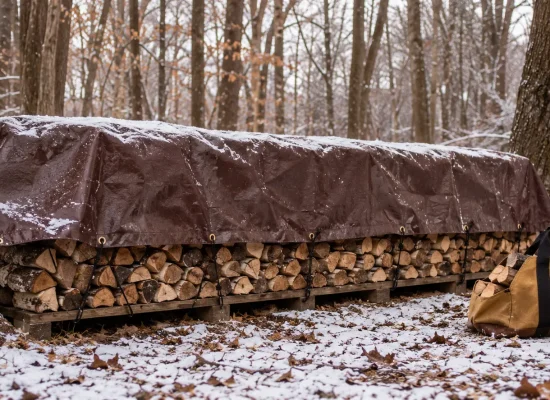
Do NOT forget your tarps! Tarps are the most crucial piece of gear to have when it rains. You can hoist heavy duty tarps high into the trees to create makeshift rain shelters over your cookfire and tent, you can place them on the ground beneath your tent for extra resistance against groundwater, and you can even cover woodpiles, chairs, and gear stashed around camp to keep it from getting drenched.
Keeping Your Tent Dry
Best Tents For Camping In the Rain
When it comes to materials best suited to rain camping, a canvas camping tent will always take the cake. Whether this takes the shape of a classic cabin tent, or a luxury glamping tent such as the bell tent or wall tent, canvas offers water-repellant properties as well as a sturdy structure to hold against high winds and heavy rainwater weight. Canvas is also an extremely breathable yet warm material, making for dual ventilation and insulation no matter the weather.
Tips For Pitching Your Tent In Rain
Pitch your tent on the high side of camp, allowing falling rainwater to flow downhill rather than pool around your tent and invite itself in. When pitching your tent, intentionally invoke extra tension so that there is no chance of sagging due to heavy rainwater accumulation in the loose fabric of your tent roof.
Ventilation
Surprisingly, opening your vents (yes, even when it’s raining) is key to keeping your tent free of moisture. Condensation and stifling humidity can accumulate inside your tent from breath and body heat, and it can quickly become unbearable, with moisture settling on all of your dry bedding by the middle of the night. Allow for ventilation even in rain–we promise, you will be glad you did.
Rain Fly Sheets
Last but certainly not least, do not forget your rain fly sheet, constructed from durable, waterproof PE materials that help keep your tent dry– inside and out. Depending on the specific White Duck Outdoors tent you choose, there’s a high probability that you can find a rain fly that perfectly matches the style of your tent itself, so you won’t have to worry about those pesky slivers of exposed tent surface where rain can seep in.
Setting Up Camp For A Rainy Day
Surviving camping in the rain with a smile on your face starts with choosing the right spot to set up. Sometimes, with plenty of forecast forewarning, it’s possible to initially and intentionally choose a site away from overhanging trees, a safe distance from any lakes or streams, and in a high-elevation area. If you are caught by surprise, you can always move your tent to the safest, highest area within your site where you are not at risk of getting hit by falling limbs or flooded by rising waters.
When camping through rainy weather, it’s important to set up a shelter for your cookfire–this way it won’t be put out or completely dampened beyond a chance of coal revival. Honestly, setting up several tarp shelters around camp isn’t ever the worst idea. This way, you can cook, move about, play cards, and still enjoy the company of your campmates without worrying about getting drenched and cold.
Speaking of cooking, keep the warmth coming! Let your tarp shelter help keep the fire burning, and cook a warm, cozy bean soup, a Dutch oven campfire pizza, or a filling stew for your crew.
Hang a clothesline under a canvas tarp shelter for effectively drying gear and wet clothing whether the rain stops or not. You won’t want to return home with a soggy mildewy mess, and chances are you’ll actually need another round of drying once you get there–may as well get a head start.
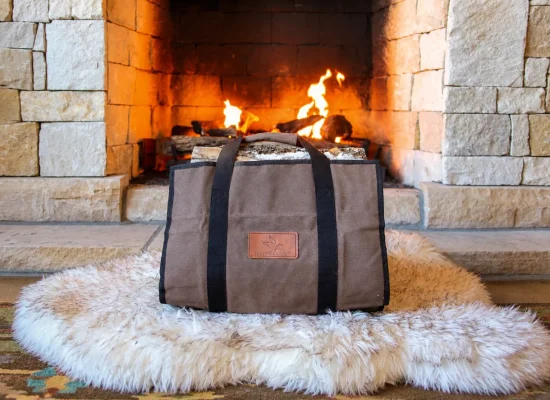
Make sure to bring along a canvas log carrier to not only simplify the transportation of firewood but also to protect all of your logs from getting soggy and unusable during a downpour.
Rainy Day Camping Activities
The most important part of camping is to remember that it can always be a fun and memorable experience whether rain, snow, or shine. If going for a rainy, cold, hike doesn’t sound like your definition of a good time, choose instead to take a drive with the whole family to check out nearby scenery. Take your time, soaking in all of nature and wildlife as you go along–just as you would if you were walking.
Cozy up with a warm drink and your favorite novel. If you are camping with kids, you can include them in this activity by reading to them and encouraging them to continue reading aloud to one another!
Board games and classic card games provide hours of family fun, rain or shine. Add your favorites to your camping gear pile before heading out, and you’ll be more than equipped to hunker down and wait out the rainstorm with some friendly competition.
Campfire stories are often rendered a lost art. During a normal camping trip, we might be too busy hiking, exploring, swimming, or generally moving about to use our imaginations and come up with a good old-fashioned spooky fireside story. Use the sedentary waiting time a rainstorm brings to your advantage!
Whatever activity you choose to fill your time while camping in the rain, may the experience bring your family and friends even closer, and may you always remember the time you made it through a downpour together with only a tent and a few tarps to keep you dry!



No Comment! Be the first one.