
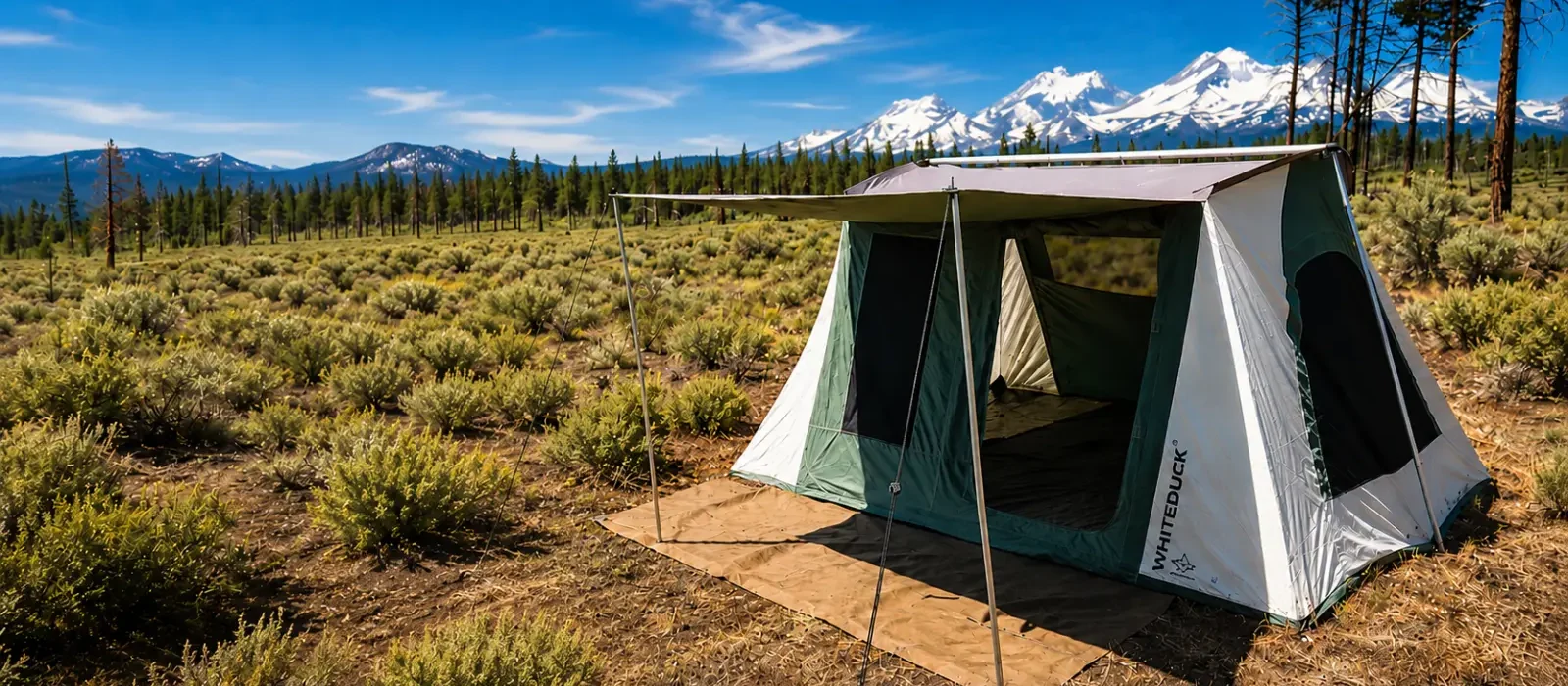
Cabin tents are one of the most popular shelters for campers who want space, headroom, and a real home base at camp. Below, we’re answering the most common questions about cabin tents, from materials and setup to durability, safety, and cost, starting with everything that’s new in the redesigned 2026 Prota Cabin Tent.
Table Of Contents
- 2026 Prota Cabin Tent Redesign: What’s New
- General FAQs About Cabin Tents
- Setup, Assembly, and Installation
- Weather Resistance and Seasonal Use
- Durability and Longevity
- Features and Specifications
- Advanced Features, Customizations, and Innovations
- Cabin Tent Accessories and Add-Ons
- Comparing Cabin Tents to Other Styles
- For Group and Family Use
- Camping with Cabin Tents
- Maintenance and Repairs
- Cabin Tent Storage and Transportation
- Safety and Security
- Environmental Impact
- Buying Tips and Recommendations
- Cost and Value
- Advanced Camper Considerations
2026 Prota Cabin Tent Redesign: What’s New
What changed in the 2026 Prota Cabin Tent redesign?
In May 2026, White Duck Outdoors relaunched its signature Prota Cabin Tent with a refreshed design focused on comfort, durability, and ease of use. The headline updates: a new DYNATEK™ weatherproof canvas, a pre-installed stove jack (a first for the Prota line), military-grade zippers in place of the original velcro closures, heavy-duty galvanized steel Jpeg stakes, and a build that’s roughly 25% lighter overall. The lineup also grew from two sizes to three: the 7′ x 9′ and 10′ x 14′ are now joined by a 10′ x 10′, and it comes in two colorways, Forest Green and Desert Red. Everything that made the original Prota popular carried over too: the built-in awning, electrical outlet, no-see-um mesh, and shock-absorbing grounding system are all still standard. You can see it all come together in White Duck’s redesign walkthrough video.
Is the new Prota Cabin Tent compatible with a tent stove?
Yes, this is one of the biggest upgrades in the 2026 redesign. The original Prota wasn’t rated for tent stoves, but every size of the redesigned version now ships with a pre-installed, silicone-coated, heat-resistant stove jack with a 5″ and 6″ pre-cut pattern. That makes it a real option for cold-weather and shoulder-season camping, whether you want the stove for warmth, cooking, or just campfire ambiance without stepping outside.
How much lighter is the redesigned Prota Cabin Tent, and is it easier to set up?
White Duck cut the Prota’s weight by about 25% across the board: the 7′ x 9′ now weighs 49.6 lbs, the 10′ x 10′ weighs 60 lbs, and the 10′ x 14′ weighs 70 lbs. Paired with fewer stake points and a spring-rod tension system, the tent pitches noticeably faster than the original, which is a real win for solo campers who used to need a second set of hands.
What sizes, capacities, and colors does the 2026 Prota Cabin Tent come in?
The redesigned Prota Cabin Tent comes in three sizes, each available in Forest Green or Desert Red:
| Size | Floor Space | Ceiling Height | Capacity | Price |
| 7′ x 9′ | 63 sq. ft. | 6’3″ | 4 campers or 3 glampers | $650 |
| 10′ x 10′ | 100 sq. ft. | 6’6″ | 6 campers or 5 glampers | $770 |
| 10′ x 14′ | 140 sq. ft. | 6’6″ | 6 campers or 5 glampers | $890 |
Are the awning, electrical outlet, and no-see-um mesh still included on the new Prota?
Yes, all of them carried over to the redesign. The large front-entrance awning, built-in electrical outlet, and premium no-see-um bug mesh are still standard across every size, right alongside the double-stitched seams, reinforced corners, and shock-absorbing grounding system that made the original Prota durable in the first place.
How many windows and doors does the redesigned Prota Cabin Tent have?
Every size of the new Prota Cabin Tent has one front door and five windows, all finished with no-see-um mesh for ventilation and bug protection. It’s a more streamlined layout that also means noticeably better natural light and views than the original design.
What happened to the tent’s zippers and stakes in the redesign?
White Duck swapped the original Prota’s velcro closures for military-grade, waterproof zippers on every door and window. The stakes changed too: the redesigned Prota uses Jpeg stakes, heavy-duty pegs made from solid galvanized steel, in place of the original pin-style stakes, for a more secure pitch across a wider range of ground conditions.
Can I retrofit my older Prota Cabin Tent with the new features?
The redesign’s biggest upgrades (the DYNATEK™ canvas, the pre-installed stove jack, and the zipper closures) are built into the tent’s construction rather than added on as separate accessories, so they aren’t something you can retrofit onto an original Prota Cabin Tent yourself. If you own an earlier Prota and want to know your options, White Duck’s support team is the best resource for guidance specific to your tent.
Where can I watch the 2026 Prota Cabin Tent redesign in action?
White Duck put together a full walkthrough video covering the redesign, embedded in their upgrade breakdown on the White Duck blog, or you can watch it directly on YouTube. For the official launch announcement, see White Duck’s newsroom post.
General FAQs About Cabin Tents
What is a cabin tent?
A cabin tent is a style of camping shelter characterized by its four straight, tall, and nearly vertical walls. This distinct feature creates a boxy shape that resembles a traditional hard-sided cabin, providing campers with a spacious shelter and ample headroom compared to other modern tent styles. With more room comes more functional space, alongside increased comfort when camping in the outdoors. Plus, the simple yet reliable design makes for an easy and intuitive setup without compromising durability in the elements.
How many people can a cabin tent accommodate?
Since cabin tents come in a range of sizes and variations, the exact number of people they can accommodate will depend on the particular tent’s dimensions, which vary from brand to brand. At White Duck Outdoors, the Prota Cabin Tent now comes in three sizes: the 7′ x 9′ sleeps up to 4 campers (or 3 glampers), the 10′ x 10′ and 10′ x 14′ each sleep up to 6 campers (or 5 glampers). Some brands, typically those using synthetic materials, design cabin tents that can fit up to 20 people at a time.
Are cabin tents suitable for solo camping trips?
Yes, cabin tents can be a suitable option for solo camping trips, depending on your unique needs and preferences as an outdoor enthusiast. This style offers a solo camper plenty of space for themselves and their gear, as well as a simple setup process that can easily be done independently. Cabin tents made from canvas are especially enticing for solo campers who value the durability and reliability of canvas, without the heavy weight and more complex setup of other canvas tent styles, which are typically more difficult to handle alone. If space, comfort, reliability, and ease-of-use are important to you, cabin tents can be a great choice for an independent adventure.
What materials are used to make cabin tents?
Cabin tents are made from several different materials that will differ from brand to brand. A large portion of cabin tents on the modern market are made from synthetic fabrics, like polyester and nylon. Higher-end cabin tents, like those at White Duck Outdoors, are made from cotton canvas. While both synthetic and cotton canvas fabrics have their pros and cons, canvas typically offers better durability and resistance to harsh weather, while synthetic fabrics are lighter in weight. Most cabin tents will feature mesh fabric on their windows and doors to enhance ventilation and airflow. When it comes to a cabin tent’s poles, you can expect to find aluminum or steel as the main material.
Are cabin tents available in waterproof designs?
Whether or not a cabin tent is waterproof will depend on the fabric used in its construction. Most synthetic cabin tents made from nylon or polyester should be naturally waterproof. Cotton canvas cabin tents, on the other hand, are water-resistant, but not 100% waterproof. This means that they can resist water to a point, but are not completely impermeable with enough time and moisture. That being said, waterproofing solutions can be applied to a canvas cabin tent to ensure the shelter stays completely dry inside. Given the durability and reliability of canvas, taking this extra step allows campers to enjoy the many advantages canvas cabin tents offer.
What are the benefits of cabin tents with vertical walls?
The main benefit of cabin tents with vertical walls is the amount of space and headroom they provide compared to other tent designs. Tents with walls that slope inwards, like a dome tent, typically make it difficult for campers to stand up straight. Not only are vertical-walled cabin tents more comfortable to exist in, but they also make it easier to perform tasks and move around inside. Plus, the extra space vertical-walled tents provide gives campers more room to store their gear.
Can a cabin tent be used in all seasons?
Yes, many cabin tents can be used through all 4 seasons, especially when made from cotton canvas. Canvas tents have a unique adaptability to weather, offering breathability in heat and humidity and insulation in the cold. When treated with fabric finishes, canvas cabin tents can be resistant to the damage caused by moisture and UV rays, a huge benefit whether you’re camping in the desert during summer or on a wet, snowy mountain in the winter. Canvas is also much sturdier than synthetic tent fabrics, offering campers better protection from strong winds and other harsh weather brought on by each season.
What is the average weight of a cabin tent?
The weight of a cabin tent will vary drastically depending on its size, materials, and features, all of which differ from brand to brand. For example, a cabin tent made from thick canvas fabric and an extendable awning will weigh more than one made from ultra-lightweight nylon with minimal features. While lightweight tents will be great for quick trips and backpacking, heavier cabin tents will be sturdier in harsh weather. At White Duck Outdoors, the redesigned Prota Cabin Tent lineup was engineered to be about 25% lighter than the previous version, and now starts at 49.6 pounds for the 7′ x 9′ and goes up to 70 pounds for the 10′ x 14′.
Do cabin tents come with built-in flooring?
Yes, most cabin tents come with built-in flooring. These are typically permanently sewn-in for durability and convenience, though some brands will also offer detachable options. Exact flooring varies from maker to maker, but is usually a durable synthetic fabric, like polyvinyl, designed to withstand the elements and protect you and your gear. Because a sewn-in cabin tent floor is permanent, it’s important to take good care of it to ensure its longevity. If your cabin tent didn’t come with flooring, or you’re looking to enhance it, there is a range of accessories, including heavy-duty poly tarps and removable tiles, that can be a great option in these scenarios.
Setup, Assembly, and Installation
How easy is it for beginners to set up a cabin tent?
While some cabin tent designs can be a bit more complex than other modern tent shapes, most are still relatively easy to set up for beginners. However, factors like size, weight, and features can impact the ease of setup. For example, an extra-large 20-person cabin tent made from heavy-duty cotton canvas will naturally be more challenging to handle than a small 2-person cabin tent made from lightweight materials. No matter what your cabin tent looks like, it’s always a smart idea to practice your setup at home ahead of your trip, and recruit a friend for an extra hand if needed.
Do cabin tents require more than one person for setup?
For the most part, cabin tents can easily be set up by just one person. That being said, larger cabin tents made from weightier materials, like heavy-duty cotton canvas and steel poles, may require more than one set of hands to make setup more efficient. If you plan on pitching a cabin tent solo, take some time to practice at home beforehand to ensure a smooth experience at camp.
What tools are needed to set up a cabin tent?
Most cabin tents should come with all of the basic components necessary for a successful setup, including the stakes, pegs, poles, and guy line ropes. Outside of these items, all you should need is a rubber mallet to hammer the stakes and pegs into the ground. At White Duck Outdoors, cabin tents come complete with a tool kit bag that includes all the essential setup tools in one convenient place.
Are cabin tents compatible with freestanding setups?
Yes, while it’s not necessarily the standard, some select cabin tent styles are designed for freestanding setups. For larger, more complex cabin tents, stakes, pegs, and guy line ropes are often necessary for the stability and security of the shelter. If you’re interested in a freestanding setup, make sure to confirm that the cabin tent you purchase is compatible with this style of pitching to ensure the safety of you and your gear.
How do you secure a cabin tent during windy conditions?
To secure a cabin tent during windy conditions, start by ensuring it is properly staked into the ground. Tent stakes should be hammered into the ground at a 45-degree angle for maximum security. If your cabin tent has guy lines, make sure they’re staked down 2 to 4 feet from the base of the shelter. For those facing more extreme winds, adding extra stakes to the base of your tent and guy lines can help add more strength. Or, take it a step further by anchoring your cabin tent down with sandbags or large rocks. These can either be tied to the bottom of each guy line if your tent has them or secured to your tent’s poles.
What is the best way to pack down a cabin tent?
When your camping trip comes to an end and you’re ready to pack down, start by cleaning out your cabin tent of any dirt, debris, or mud that’s accumulated during your time outdoors. Once your tent is clean, dry, and empty of your gear, go around and remove all of the stakes and pegs holding it in place. Clean them off with a wet rag, and once dry, store them in their dedicated bags. At this point, you can start taking out the tent poles, disassembling them, and placing them in their storage bag. Once it’s just your tent fabric left, lay it out flat, smoothing over wrinkles and unzipping the zippers. From here, you can either neatly fold the tent and pack it in its storage bag or employ the stuffing method to reduce creases.
Can you set up a cabin tent on uneven terrain?
Yes, with a few easy modifications, cabin tents can definitely be set up on uneven terrain. While you could pitch your tent as normal, uneven ground can impact your comfort and make your tent less stable. The easiest fix for this issue is to elevate the uneven sides of your tent, typically with gear like telescoping poles or a simple folded-up tarp under the frame. Campers can also level the ground itself by digging shallow holes for the taller side of the tent to sit in, but keep in mind that this may not be allowed at every campsite.
How do you ensure proper ventilation during setup?
To ensure proper ventilation in your cabin tent during setup, start by considering your campsite’s location and the direction your tent will face. If possible, find a site that’s elevated and away from humid areas like swamps or still bodies of water. If you can identify a consistent breeze at camp, aim to position your tent’s windows or door into it to maximize airflow. Once your tent is pitched in an ideal location and direction, utilize its mesh screens by unzipping windows to facilitate airflow through your shelter. If it’s a particularly hot or muggy day, consider adding on ventilation accessories, like fans or A/C units, if your setup allows for it.
What’s the average time to fully assemble a cabin tent?
Since cabin tents can vary so widely in design and complexity between brands and models, the assembly time will vary, too. Aside from the features of the tent itself, other factors can affect setup time, like your experience pitching camping tents and the number of people helping you. On average, you can expect to spend anywhere from 10 to 30 minutes setting up a cabin tent. White Duck Outdoors’ Prota Cabin Tent has historically averaged 10-15 minutes, and the 2026 redesign’s fewer stake points, spring-rod tension system, and lighter canvas make that even quicker, especially for solo campers pitching it alone.
Are there video tutorials for cabin tent setup?
Yes, there are several video tutorials available online that teach campers how to properly set up various cabin tents. These are an awesome way to visualize how a specific cabin tent goes together instead of simply reading written instructions (if your tent even has them!). To find video tutorials, simply type in your cabin tent’s brand and model into Google or YouTube to find assembly videos. Some tent brands may even have their own tutorials, like White Duck Outdoors’ setup videos, that show the correct way to set up their tents from the experts.
How can you anchor a cabin tent in loose soil?
If you’re camping in a location with loose soil, there are two main ways to anchor your cabin tent. The first way is to utilize specialty tent stakes better suited for loose soil, like corkscrew stakes. Unlike your standard smooth tent stakes, corkscrew stakes have a spiral design that grips the soil to better anchor the tent into the ground. The second way would be to utilize anchoring weights, like sandbags or large rocks. Simply tie these weights to the end of your tent’s guy lines if they have them, or the tent’s frame.
What are common setup mistakes for cabin tents?
Although cabin tents are relatively easy to pitch, there are several common mistakes campers make when setting up cabin tents. For campers that have never pitched a cabin tent before, the first mistake they make is assuming that it’ll be easy and don’t practice their setup as a result. Practicing pitching ahead of a trip can help campers get to know this style of tent and work out any kinks that may be harder to navigate in the wilderness. Other common mistakes include:
- Picking a poor campsite
- Pitching on uneven ground or an uncleared site
- Forgetting to secure the tent stakes at a 45-degree angle
- Staking guy lines too far from or too close to the tent’s base
- Forgoing ground tarps and rainfly sheets
- Not considering the interior layout and storage
Weather Resistance and Seasonal Use
How well do cabin tents hold up in heavy rain?
Cabin tents are typically well-equipped to handle heavy rain, although their performance will largely depend on the specific tent’s fabric treatments and overall durability. Cabin tents with waterproofing treatments on both the fabric and the seams will perform the best in rainy weather. Water-resistant coatings are often applied to a tent’s fabric during the manufacturing process, while waterproofing agents and seam-sealers can be applied by the camper to minimize leaks during heavy rainstorms. Because of the strength of heavy rains and the wind that often accompanies them, the durability of your shelter will be important, too. Cabin tents made from sturdy materials like thick cotton canvas and T6 grade aluminum or steel will withstand these conditions better than those made from cheaper, flimsier materials.
Are cabin tents wind-resistant?
Most cabin tents should be resistant to winds when set up correctly. That being said, a cabin tent will always fare better during windy conditions when made from high-quality materials and construction techniques. This includes sturdy fabrics like cotton canvas, reinforced corners, and double-stitched seams. Outside of its durability, properly pitching your cabin tent will make a difference in its resistance to wind, too. Your tent’s fabric should be slightly taut with no sags, and its stakes should be hammered at a 45-degree angle into the ground. If your cabin tent has guy lines, they should be positioned 2 to 4 feet away from the base of the tent and taut. When pitched correctly, most cabin tents should have no problem withstanding moderate winds.
Are cabin tents breathable in hot and humid environments?
Yes, cabin tents are very breathable and perform well in hot and humid environments. This is mostly thanks to the ample mesh incorporated into their designs, typically on the windows and doors. Campers can unzip their windows and doors to facilitate airflow and help combat humidity. Cotton canvas cabin tents are especially breathable, thanks to the natural fibers and plain weave of the fabric, which allows for air to penetrate the tent. If breathability is important to you in your camping tent, look for a cotton canvas cabin tent with plenty of mesh windows for the best performance in heat and humidity.
How do you check if a cabin tent is truly waterproof?
Campers can perform a quick test outdoors to confirm that their cabin tent is truly waterproof. Simply set up the tent somewhere outdoors, like your backyard or a local park, and spray it with water. To ensure it’s waterproof everywhere, completely soak the tent, paying special attention to the tent’s seams since this is where leaks are most likely to happen. If the water beads and rolls right off, this is a good indicator that it’s waterproof. If the water seeps in or is absorbed by the tent fabric, it’s not. Once wet, go inside the tent and check for leaks. If your tent absorbed any water or you found any leaks inside, you’ll need to apply waterproofing agents ahead of your camping trip.
Do cabin tents have mesh windows for airflow?
Yes, most cabin tents have mesh screens on their windows to facilitate airflow. These are typically exposed by unzipping the windows to reveal the mesh fabric. Outside of the windows, some cabin tent designs will also feature mesh screens on the doors, on entire sidewalls, and even on the roof. These cabin tents are best suited for hot, humid environments where airflow and ventilation are important to regulate the inside temperature and reduce condensation.
Are cabin tents suitable for winter camping?
Whether or not a cabin tent is suitable for winter camping will depend on its specific materials and construction. Cabin tents that are made from thin synthetic materials with basic construction are typically not ideal for winter camping. However, high-quality cabin tents made from thick cotton canvas with more advanced construction details can be a great option for winter camping. Not only will this type of cabin tent be durable enough to handle the winter elements, but it will also be more comfortable, thanks to the natural insulating abilities of cotton canvas.
Can cabin tents handle sudden weather changes in spring?
Yes, cabin tents can usually handle the sudden weather changes common on a spring camping trip. A cotton canvas cabin tent with mesh windows will be best suited for these kinds of conditions, thanks to the adaptable nature of the fabric. Cotton canvas is naturally breathable while also providing insulation with the fabric’s thickness. These two traits help a cabin tent adapt to the sudden changes in temperature, while the ample mesh found on this style of tent helps combat humidity and condensation as the weather gets warmer. Plus, treated canvas cabin tents are more durable than the alternatives and are able to withstand wind, heavy rains, and other elements commonly associated with springtime.
Are cabin tents recommended for fall camping trips?
Yes, cabin tents are a great option for fall camping trips. Fall weather typically brings on milder temperatures and increases in dew and condensation. As long as your cabin tent is made from waterproof materials, like nylon, or treated with water-resistant fabric coatings, it should combat the morning dew easily. As for condensation, a cabin tent’s mesh windows will allow air to flow through the tent and ventilate it, reducing humidity and the buildup of condensation. Plus, their mesh windows are awesome to keep open while at camp during the milder fall weather.
Do cabin tents come with insulation options for cold climates?
Yes, there are some cabin tents that come with insulation options for camping in cold climates. These can include naturally insulating fabrics like thick cotton canvas, double-walled construction, and insulating layers incorporated into the tent’s design. If your cabin tent doesn’t feature insulation, it can easily be added by attaching thermal blankets to your tent’s walls and placing a range of insulating materials on the flooring, like rugs or foam tiles.
What precautions should be taken when using a cabin tent in hurricane-prone areas?
If hurricanes are a possibility at your camping destination, carefully monitor the forecast ahead of your trip, especially during hurricane season. Meteorologists are typically able to predict a storm up to 72 hours in advance, which should give campers enough time to consider the risks and potentially postpone their trip. It’s not recommended to camp in any style of soft-sided camping tent during a hurricane. Instead, seek shelter in a building deemed safe for this type of extreme weather.
Can cabin tents be used for ice fishing shelters?
Cabin tents are not a popular option for ice fishing shelters, mainly due to their permanent, sewn-in flooring. Ice fishing shelters, sometimes known as shanties, are typically floorless to allow fishermen direct access to the ice. That being said, it’s absolutely possible to modify your cabin tent to work in this application by removing the flooring or carefully cutting an opening. Since ice fishing is a cold-weather sport, you’ll just want to make sure your specific model of cabin tent is durable and equipped for all 4 seasons.
Are cabin tents appropriate for desert camping?
Yes, cabin tents are absolutely an appropriate shelter for a desert camping trip. Campers adventuring in a desert climate will appreciate the breathability of cabin tents, thanks to their abundant mesh windows and doors. Since desert terrain can be abrasive, opt for a durable cabin tent made from high-quality canvas that can better withstand the harsh elements. Canvas cabin tents will also adapt better to the large temperature fluctuations common in desert climates because of their natural breathability and insulating capabilities. Plus, cotton canvas is naturally resistant to UV rays, a huge bonus under the strong desert sun.
Can cabin tents be used for beach camping?
Yes, cabin tents are a popular choice for beach camping, and for good reason! Beach goers enjoy the breathability of cabin tents thanks to their abundant mesh screens and appreciate the spaciousness for all of their beach camping gear. While most cabin tents are perfectly suitable for the beach, keep in mind that pitching on sand requires specialty stakes or weighted anchors to keep them secure in loose soil. Additionally, since sand is quite abrasive, make sure to use a ground tarp to protect the tent floor.
Are cabin tents suitable for swampy or wet terrain?
Yes, cabin tents can be suitable for swampy or wet terrain, as long as they’re made with waterproof fabrics or fabric coatings. Cabin tents treated with water, mold, and mildew-resistant coatings will generally fare better in these wet environments. The abundant mesh of a cabin tent is particularly beneficial in swampy and wet terrain, thanks to the ventilation it provides, which can reduce condensation and create a more comfortable experience. After a camping trip in this type of environment, be sure to let your tent and gear dry out fully before packing them away to reduce the chances of mold, mildew, and rust.
Can cabin tents handle unexpected flash floods?
While cabin tents made from waterproof fabrics and coatings can offer campers protection against a flash flood, most will not be equipped to fully withstand them. If you’re camping in an area prone to flooding, take precautions to protect yourself, your tent, and your gear. This includes sealing your tent seams, pitching your tent on elevated ground, using a tent footprint and rainfly, and monitoring the weather. It’s also possible to dig drainage around your tent to prevent flooding in the event of heavy rains, although your ability to do this will differ from campsite to campsite.
Are cabin tents resistant to frost buildup in cold climates?
Yes, some cabin tents are resistant to frost buildup in cold climates, specifically those made with cotton canvas fabric and rated for 4 seasons. Insulation is a large factor in a tent’s ability to resist frost. Therefore, tents with natural insulation, like cotton canvas cabin tents, or those designed with layers of insulated fabric, will be best suited for climates where frost is possible. If your cabin tent is made from synthetic materials and lacks pre-installed insulation, attaching insulating fabrics yourself, like thermal blankets, can help reduce the risk of frost buildup on your tent.
Do cabin tents work well in dense forest settings?
Forest settings with dense vegetation are generally difficult to pitch a tent in, no matter the style of shelter. That being said, if you’re able to find an area with level ground and minimal vegetation or natural debris, you should be able to pitch a cabin tent with no problem. To avoid this issue altogether, consider camping in a frontcountry campground with dedicated campsites. These will typically be cleared by the campground’s management team for you, and you can still get a cozy forest experience at the right location.
Durability and Longevity
How long does a high-quality cabin tent typically last?
When made with high-quality materials and construction techniques, cabin tents can last campers anywhere from 15 to 30 years. While the quality of the tent has a huge impact on its longevity, other factors, including maintenance, frequency of use, and the environment, play a significant role as well. For example, a cabin tent that’s used every weekend in harsh weather conditions will inevitably wear down faster than one that’s used once a year in a mild weather environment. Regularly maintaining your cabin tent can help preserve its condition and prolong its life.
What kind of poles are used in cabin tents?
While the design and configuration of a cabin tent’s poles can vary significantly between brands and tent models, it’s safe to say most cabin tents utilize steel or aluminum poles. Aluminum tent poles are the more common of the two, offering campers sturdiness while remaining lightweight. Steel poles, on the other hand, are chosen for their unbeatable durability and are often used in 4-season cabin tents built to endure harsh weather conditions.
How do you repair small tears in a cabin tent?
There are several easy and effective ways to repair a small tear in a cabin tent. For a quick fix on the go, small tears can be mended with repair tape. To do this, simply cut a piece of the repair tape to size, adding at least ¼” on each side, and apply it to the tear. For a more permanent solution, opt to sew on a fabric repair patch. To do this, use a sewing needle and thick bonded polyester thread to sew up the rip. Next, measure the damaged area and cut a piece of tent fabric to size, adding at least ¼” on each side. Sew the fabric patch on top of the tear and finish the edges with a waterproof seam sealer.
Can cabin tents be used on rocky or abrasive terrains?
Yes, cabin tents can absolutely be used on rocky or abrasive terrain. Since this type of environment can be both uncomfortable to camp on and damaging to a tent, it’s smart to bring along a few extra pieces of gear for a smooth and successful experience. A heavy-duty tarp can create a barrier between your tent and the ground, increasing comfort and protecting the tent floor from abrasion. To further enhance comfort, consider adding tent floor accessories like sleeping pads and rugs. Additionally, specialty tent pegs, like needle or nail stakes, can make pitching a cabin tent on rocky ground easier. If you anticipate adventuring on rocky or abrasive terrain regularly, invest in a high-quality canvas cabin tent with the durability necessary to withstand this type of environment frequently.
How are modern cabin tents improving durability?
There are a number of qualities modern tents feature that significantly improve their durability in the outdoors. For starters, many modern cabin tents utilize more advanced materials and fabric finishes, offering better resistance to moisture, fire, UV rays, mold, and mildew. Grounding systems are another innovation improving durability, especially in harsh weather conditions, where a shock-absorbing grounding system can help a cabin tent remain sturdy.
Features and Specifications
What features make cabin tents ideal for group camping?
The main feature of cabin tents that makes them ideal shelters for group camping is their large size and abundant space. Their straight-walled design naturally creates a more open space and offers more headroom than other modern camping tent styles, like the dome tent. This spaciousness allows groups to sleep, hang out, and store their gear more comfortably than they would in a tighter, smaller space. In addition to their size and spaciousness, some cabin tent designs even feature separate rooms. This is a huge benefit for groups who want to stay together but still value a touch of privacy.
Can cabin tents accommodate air mattresses or cots?
While it will ultimately depend on the size of your specific tent, most cabin tents can easily accommodate air mattresses and cots. Thanks to this shelter’s distinct vertical walls, cabin tents offer more space and headroom than other popular tent styles, like dome tents. This abundant space allows campers to utilize these sleep accessories comfortably, without worrying about having enough room to sit up or sacrificing too much space for storage.
What is the best fabric for a durable cabin tent?
Canvas is often considered the most durable fabric for camping tents, including the cabin tent style. Constructed with a plain, tight weave, canvas is typically made from cotton fibers or a cotton-poly blend. These characteristics make for a thick, sturdy fabric that withstands the elements more effectively than the many synthetic fabric alternatives that tend to be thin and flimsy. Plus, when treated with fabric coatings, like water and fire repellence, UV-resistance, and mold and mildew protection, the durability of canvas skyrockets.
How much headroom do most cabin tents offer?
Thanks to their distinct straight-walled design, you can expect to enjoy much more headroom in a cabin tent than in most other popular tent styles on the market. The exact amount, however, will vary depending on the brand, model, and dimensions of the specific tent. On average, you can expect a standard cabin tent to offer anywhere from 4 to 7 feet of headroom. At White Duck Outdoors, cabin tents range from 6’3″ to 6’6″ in height. Compare this to the popular dome tent designs, which rarely exceed 4 feet at their highest point.
Do cabin tents have built-in ventilation systems?
Yes, most cabin tents feature some kind of built-in ventilation system. This is most often in the form of mesh windows and doors, which cabin tents tend to have plenty of. More advanced designs may also include air vents, typically found on the top and sides of the tent. Campers can easily open the windows, doors, and vents to facilitate airflow and ventilate the inside of their tent.
Are there cabin tents with built-in electrical ports?
Yes, there are a number of cabin tents on the market that have built-in electrical ports. This is usually considered a luxury feature in camping tents, so you’ll typically find them on higher-end cabin tents, like White Duck Outdoors’ Prota Cabin Tent. This accessory makes accessing electricity a breeze and significantly enhances your experience at camp, allowing you to plug in everything from lighting and fans to devices that need charging at the end of a long day outdoors.
Advanced Features, Customizations, and Innovations
Can cabin tents be customized with additional accessories?
Yes, cabin tents can absolutely be customized with additional accessories. All cabin tents should be equipped with the basic accessories for protection, including a ground tarp and rainfly sheet. Outside of these essentials, campers can customize a cabin tent with a range of functional accessories. These can include luxurious sleep setups, an awning attachment, front porch extension, rugs, insulation, lighting, and temperature control devices like fans, A/C units, and heaters. Whether you’re looking to make your tent more functional or simply want to elevate the atmosphere of your campsite, the options to customize your tent are virtually endless.
What are the advantages of cabin tents with mesh roofs?
The main advantage of a cabin tent with a mesh roof is the enhancement of ventilation. While most cabin tents feature mesh on their windows and doors at a minimum, the addition of mesh on the roof allows for additional airflow. Further, since warm air rises, a mesh roof is the best place for the hot and humid air that’s accumulated in your tent to escape. Outside of the practical improvement of ventilation, a mesh roof also gives campers the unique ability to stargaze without leaving the comfort of their shelter!
Are there cabin tents with extendable awnings?
Yes, some select cabin tent designs have built-in extendable awnings, like White Duck Outdoors’ Prota Cabin Tent. Campers can simply unroll the awning, attach the poles, and stake the guy lines into the ground. This feature makes creating shade at camp more convenient than ever, whether you’re simply relaxing under it or using it as a functional space for day-to-day tasks like cooking. Since this is a relatively luxurious design feature, not all cabin tents will have them. Thankfully, there are a number of awning extensions available on the market that can be purchased separately and attached to your tent.
How do blackout cabin tents work?
Blackout cabin tents are a specific variation of cabin tents that are designed to block out light from the outdoors. Similar to how blackout curtains work, a blackout cabin tent utilizes fabrics and fabric treatments that are impermeable to light, thus blocking it out and creating a dark interior. These specialty tents can help campers get a better night of sleep, especially for those who struggle with light sensitivity, provide a level of privacy from others if you’re at a busy campground, and help regulate temperatures on a hot day. Blackout cabin tents also have a few unconventional uses, like serving as an outdoor, portable lightroom for photographers.
Are there cabin tents with solar panel compatibility?
Yes, some cabin tents can be compatible with solar panels, depending on their durability. If you’re hoping to use solar panels to generate electricity while camping, opt for a cabin tent made from heavy-duty materials, like sturdy cotton canvas, so that it can handle the weight of this accessory. Flexible solar panels are typically the best for this application, thanks to their lighter weight and ease of use compared to more traditional solar panel products.
Can cabin tents have custom branding or logos added?
Yes, cabin tents can absolutely have custom branding and logos added. While some brands may offer this service at checkout, it’s more typical for this to be done at home after purchase. The exact method of applying branding or logos will depend on the material of your cabin tent. For example, a logo for a cotton canvas cabin tent might be painted on, while a logo for a synthetic nylon cabin tent might require a heat-transfer application. Make sure you know your tent fabric’s fiber content before choosing how your branding and logos are applied, and keep in mind that these kinds of customizations will likely void most tents’ warranties.
Do cabin tents come with bug-proofing features?
Yes, most cabin tents come with some type of bug-proofing features, typically in the form of mesh screens on the windows and doors. Keep in mind, however, that not all tent mesh is fully effective at keeping bugs out. Look specifically for no-see-um bug mesh, like on White Duck Outdoors’ Prota Cabin Tent, to guarantee protection from even the tiniest pests trying to get into your tent.
Are there cabin tents with smart temperature control systems?
While a majority of cabin tents don’t come with smart temperature control systems built in, campers can definitely add these themselves to compatible cabin tents. For a tent to be compatible with this type of accessory, it’ll typically need both an A/C port and an electricity port. Additionally, you’ll need to be at a campsite with an electrical hookup or have access to a high-power power bank.
Do cabin tents have built-in lighting options?
Yes, some select cabin tent designs do feature built-in lighting, typically utilizing LED lights installed in the tent frame. That being said, cabin tents with built-in lighting are not the standard, and most campers opt to install custom lighting themselves. Not only is it easy to do, but it also gives campers creative control over the design and functionality of their tent.
Are there modular cabin tents that allow expansions?
Yes, there are many different modular cabin tents available on the market that allow expansions and customizations to the standard cabin tent design. Not only do modular designs allow for personal customizations, but they also provide campers with more space and privacy, as well as the flexibility to change their tent based on the needs of each unique camping trip.
Are there self-cleaning fabrics used in cabin tents?
While there are no tent fabrics currently available on the market that are 100% self-cleaning, there are a few features that can aid in the cleanliness of your tent. For example, many tent makers will utilize various fabric treatments, like mold and mildew-resistant coatings, that protect the tent from fungus growth.
Cabin Tent Accessories and Add-Ons
Are there specific tarps designed for cabin tents?
Yes, there are a number of tarps on the market designed for cabin tents. Since this style of tent can vary so much in shape and size, some brands will make tarps specifically intended to be used with their cabin tent models. This can include ground tarps and rainfly tarps that fit the exact dimensions of a specific cabin tent. That being said, tarps are incredibly versatile pieces of camping gear, so most tarps can be used with most cabin tents, as long as the dimensions match.
Do cabin tents come with dedicated storage bags?
Yes, it’s typically standard for cabin tents to come with their own dedicated storage bags. The exact design and features of these bags will vary between brands, but you can generally expect them to be made from durable materials and equipped with sturdy handles to make transporting them easy. Cabin tents will usually come with two separate bags, one for the tent fabric and one for the poles. Some brands will also include small pouches for the tent pegs and stakes. At White Duck Outdoors, cabin tents come with a large bag to store the tent, a smaller bag for the tent poles, and a dedicated tool kit bag to hold all of the tools necessary for setup.
What type of stakes are best for cabin tents?
The best kind of stakes for a cabin tent will largely depend on the terrain and type of soil at your campsite. The most basic stake is the hook stake, which is suitable for staking a tent in grassy, medium-density soil, like at a standard forest campsite. For beach campers, or anyone else staking a tent in sandy or loose soil, corkscrew stakes are ideal. In rocky terrain, heavy-duty needle or nail stakes will break through the ground best. Besides the type of terrain you’re setting up on, it’s also important to consider the weather conditions. For campers enduring harsh weather, like heavy rains or wind that may impact the stability of their tent, sturdier stakes will fare best. Some of these include V-stakes, Y-stakes, and snow stakes.
Can I use an external heater in a cabin tent?
Yes, it is possible to use an external heater in a cabin tent, although it’s important to take a number of precautions to ensure the safety of you and your gear. Because of the risk of fires, external heaters are best suited for tents that have fire-resistant fabric treatments. On top of this, ensure that your cabin tent has proper ventilation while your heater is on by opening mesh windows and any air vents your tent may have. Additionally, be sure to place your heater on a heat-resistant surface away from the tent walls and any flammable gear.
Do cabin tents have rainfly options as add-ons?
Yes, most cabin tents should have rainfly add-on options to help protect you, your tent, and your gear from rain, snow, and other forms of precipitation. This piece of gear is typically sold separately at most retailers; however, some brands offer cabin tents where rainflys are already built into the design for extra convenience during setup.
Can you add a stove jack to a cabin tent?
Yes, stove jacks can be added to some cabin tents, as long as they are compatible with tent stoves. In general, most synthetic cabin tents are not considered safe to use with a tent stove, while many cotton canvas cabin tents can be fitted with a stove safely. While some select cabin tents on the market may come with a pre-installed stove jack, this is typically a modification done at home, after purchase.
Are there cabin tents with built-in storage shelves?
Yes, some cabin tents on the market feature built-in storage shelves, although this is not the standard. Storage in cabin tents can range from simple side pockets to full-on closets in larger tent models. For those tents without built-in storage, many different accessories can be added to your setup to increase storage space and make staying organized easier while outdoors.
Can cabin tents be paired with portable air conditioners?
Yes, cabin tents can absolutely be paired with portable air conditioners! This luxurious accessory can go a long way in enhancing your comfort while camping in hot or humid weather. Most portable air conditioners require access to electricity, so they are best suited for cabin tents with built-in electricity ports, like White Duck Outdoors’ Prota Cabin Tent series. While these devices can still be used without an electricity port, this innovative design feature can increase the efficiency and effectiveness of a setup that includes a portable air conditioner.
Are there custom flooring options for cabin tents?
Most cabin tents come with a standard tent floor, typically made from a durable synthetic material like polyvinyl and permanently sewn-in. If you’re looking to enhance your flooring for functionality or comfort, there are several accessories you can add to a cabin tent at camp. These include anything from simple additions like extra tarps to more extravagant modifications like removable tile flooring.
What are the best lighting options for cabin tents?
The lighting options for cabin tents are virtually endless and completely customizable to your preferences as a camper. For those looking to illuminate their entire cabin tent, LED light strips and hanging pendant lights are two options for practical all-over lighting. Campers looking for a little more ambiance without sacrificing functionality might opt for hanging lanterns or lamps thoughtfully placed throughout the tent. If you’re after something more whimsical, string lights and electric candles can be a great option to add a touch of light and coziness. If you don’t have access to electricity at camp, opt for battery-powered lighting and always bring extra batteries!
Can you add insulation liners to cabin tents?
Yes, you can absolutely add insulation liners to cabin tents. These are a practical accessory for any camper adventuring in colder weather, as they help to trap heat inside your tent. Insulation liners can be attached to your tent walls temporarily by clipping or tying them to the tent’s frame. For a more permanent solution, they can also be sewn directly onto your cabin tent’s walls.
Comparing Cabin Tents to Other Styles
How do cabin tents differ from dome tents?
Cabin tents and dome tents have a number of notable differences, the main one being their shape and size. Dome tents have distinct curved walls that arch into a round shape reminiscent of a dome. On the contrary, cabin tents have four straight walls and a flatter roof, designed to resemble a traditional hard-sided cabin. Not only does this difference affect the shape of each tent, but it also greatly impacts their sizes. The straight walls of a cabin tent create ample headroom, typically enough for campers to stand up straight comfortably. Additionally, these are generally larger structures, making them popular for family and group camping. Meanwhile, the curved walls of a dome tent drastically cut off headroom, resulting in a smaller tent that’s best suited for solo campers or duos. The small size also results in less weight, making them ideal for trips like backpacking.
Are cabin tents better than bell tents for family camping?
Cabin tents and bell tents have their own specific pros and cons when used for family camping, so it ultimately comes down to your unique circumstances and personal preferences. For example, cabin tents typically feature more mesh in their designs, which is ideal for summer camping trips while the kids are off from school. Canvas bell tents, on the other hand, are a solid winter camping tent, allowing families to use luxurious accessories like tent stoves and stay warm thanks to the natural insulation of canvas. While there are numerous differences to name, both tent styles are extremely spacious, ensuring there’s plenty of room for your entire family on an outdoor getaway, no matter which you choose.
What are the advantages of cabin tents over pop-up tents?
The main advantage of a cabin tent over a pop-up tent is its stability and overall durability in the elements. Pop-up tents utilize a flexible, spring-loaded frame design that allows them to be set up quickly and with little effort. While this can be a huge benefit for campers in certain applications, an effortless setup often comes at the expense of stability. This is due to the lightweight and flexible nature of a pop-up tent’s frame, which will not withstand harsh weather conditions as well as a cabin tent’s more robust frame.
How do cabin tents compare to wall tents in terms of space?
Between their large floor areas, vertical walls, and tall A-frame roofs, wall tents are one of the most spacious tent styles available on the market, and usually beat out cabin tents in terms of size, space, and headroom. While cabin tents have plenty of their own headroom thanks to their vertical walls, the A-frame roof of a wall tent exceeds the height of most cabin tents. That being said, there are a handful of cabin tent models that rival wall tents, with styles accommodating up to 20 people per tent.
Are cabin tents more durable than A-frame tents?
Cabin tents are generally considered more durable than A-frame tents. A-frame tents typically prioritize lightweight materials and ease of use, which often comes at the expense of sturdy fabrics and construction. Cabin tents, on the other hand, are more likely to utilize robust materials and construction techniques, like durable cotton canvas and more complex framing, which ultimately gives them an edge in withstanding the elements.
Why choose a cabin tent instead of a traditional camping tent?
There are many reasons a camper might choose a cabin tent over a traditional camping tent. The main quality that appeals to campers is its spaciousness and abundant headroom. Not only does this serve groups and families well, but it also gives campers more room to store their gear, stay organized, and create a true home away from home in the outdoors. Other popular features of cabin tents are their ample ventilation, durability, and weather resistance, just to name a few.
How does the setup time for cabin tents compare to other types?
Tent setup times can vary quite a bit between styles. Most cabin tents are typically on par with traditional tent styles, averaging campers between 10 and 15 minutes to set up. When compared to more complex tent styles, like wall and bell tents, this is generally considered a quick pitching time. Compare it to pop-up tents, which can be as quick as 5 minutes, and cabin tents take longer.
Are cabin tents more stable than geodesic tents?
While cabin tents are relatively stable in their own right, geodesic tents take stability to the next level, and typically outperform cabin tents in this area. The unique geometric shape of a geodesic tent works to evenly distribute its weight for maximum stability. Plus, the geodesic design is much more aerodynamic than a cabin tent, making it superior when it comes to wind and storm resistance.
Do cabin tents offer better ventilation than bell tents?
Yes, cabin tents typically offer better ventilation than bell tents thanks to their abundant use of mesh screens. While most bell tents feature some form of ventilation, cabin tents are more likely to have mesh on every window and door, and even sometimes on their roofs and sidewalls. This distinct characteristic of cabin tents makes them more ideal for use in heat and humidity, where ventilation is crucial.
Which is more portable: a cabin tent or a dome tent?
While both tent styles are highly portable shelters, dome tents are usually considered the more portable of the two. This is mostly due to their smaller sizes, lighter materials, and less complex shapes compared to cabin tents. For this reason, dome tents are more popular for solo camping and backpacking, while cabin tents come out on top for family camping and long-term adventures.
For Group and Family Use
Are cabin tents spacious enough for large groups?
Yes, cabin tents can absolutely be spacious enough for large groups, but it will ultimately depend on the size of your group and the dimensions of your specific tent. Cabin tents are typically more spacious than other popular tent styles, with the largest sizes on the market fitting upwards of 20 campers. Most tents will specify how many people they can accommodate, so always look for this information on your gear’s packaging or online product page.
Are cabin tents ideal for kids and pets?
Yes, cabin tents are a great choice for camping with kids and pets. The natural spaciousness of this tent design offers plenty of room for families (pets included!) to comfortably sleep, hang out, and store their belongings. Since kids and pets can often be rowdy, opt for a durable cabin tent made from high-quality materials like cotton canvas to ensure its ability to withstand the crowd.
Do cabin tents have separate rooms or dividers for privacy?
Cabin tents come in a variety of configurations, ranging from open-concept shelters with one large room to tents with multiple rooms and dividers for privacy. Separate rooms can be permanently built into the tent’s design, or achieved with removable dividers for the best of both worlds. Even if your cabin tent only features one main room, dividers and partition walls can easily be DIY-ed for a quick privacy fix.
Can cabin tents be used for events or gatherings?
Yes, cabin tents can be used for a range of different small events and gatherings. Whether you’re adventuring on a group camping trip, hosting a specialty workshop or class, throwing a backyard party, or anything in between, you’ll appreciate the space and durability a high-quality canvas cabin tent provides. Remember to take a headcount of your attendees and pick a size suitable for the entire guest list.
Are there cabin tents with designated cooking areas?
Yes, there are some cabin tents with space for a designated cooking area. These designated areas will look different from tent to tent, but can range from rooms with abundant mesh screens to areas with a stove jack intended for a tent stove. For example, White Duck Outdoors’ Prota Cabin Tent features a built-in awning. This can be a great space to dedicate to cooking, providing a convenient place to set up your camp kitchen safely while staying protected from the elements from above.
How do cabin tents enhance family camping experiences?
There are a number of ways cabin tents can enhance family camping experiences. First and foremost, the abundant space makes for a more comfortable experience for families, allowing each member to spread out and enjoy a degree of personal space that other popular tent styles often lack. For cabin tents with multiple rooms and partition walls, families can enjoy a level of privacy from each other after a long day of adventuring together. When investing in a high-quality cabin tent, families can adventure without stress, knowing they have a reliable and durable shelter that will not only protect them from the elements but also keep them happy and comfortable, too.
Do cabin tents have space for tables or chairs inside?
Yes, many cabin tents have plenty of space for tables and chairs inside. If you plan on creating a luxurious camping setup with furniture, opt for a cabin tent with larger dimensions than you think you need. This will ensure that both your entire camping crew and all of your gear and accessories will fit comfortably.
Camping with Cabin Tents
What makes cabin tents ideal for extended camping trips?
There are a handful of features that make cabin tents a great option for extended camping trips. The main benefit of cabin tents over other popular tent styles is their size and capacity. Cabin tents tend to be much more spacious, offering campers plenty of room to sleep, hang out, store their gear, and live outside comfortably over an extended period of time. If your cabin tent is made from durable cotton canvas, you’ll benefit from its natural breathability and superior resistance to weather, helping you stay comfortable no matter the conditions outside.
How do cabin tents perform in remote camping locations?
While most cabin tents are suitable for remote camping locations, those made from durable materials like cotton canvas will perform best in backcountry terrain. Since remote areas are generally not maintained the way front country sites are, you can expect a more rugged environment, including uncleared campsites and harsher weather. Canvas cabin tents will withstand these elements the best thanks to their superior durability, resistance to weather, and overall adaptability to different environments.
Can cabin tents be used for glamping experiences?
Yes, cabin tents can absolutely be used to create glamping experiences! Glamping typically requires two main characteristics from a tent to be successful: space and durability. Both are essential to accommodate the luxurious accessories associated with glamping, from furniture like bed frames and chairs to functional decor like lighting. For this reason, large cabin tents made from durable materials like cotton canvas are ideal for this style of camping. Keep in mind that a cabin tent’s capacity will reduce when used for glamping, due to the space glamping gear takes up, so take this into account when picking your tent’s size!
Are cabin tents practical for weekend camping trips?
Yes, cabin tents can be very practical for weekend camping trips! This style of tent is quick and easy to pitch, making it ideal for short weekend getaways where swift setups are an advantage. Cabin tents are also relatively lightweight for their size, especially when made from synthetic fabrics like nylon, which makes them more portable than other large tent styles. Plus, when packed efficiently, they can usually fit in the backseat or trunk of your vehicle for seamless transportation during travel.
Do cabin tents require a large campsite?
Whether or not a cabin tent requires a larger-than-normal campsite will depend on its size when pitched. While many cabin tents are large in size, most can easily fit in a standard-sized campsite. That being said, the largest models of this tent style, like those that can accommodate upwards of 20 campers, may require more space. To ensure your cabin tent will fit at your campsite, check the dimensions of your site and compare them to the size of your tent when pitched. Keep in mind that some campsites may have restrictions regarding the size of your tent, so always double-check your destination’s rules before traveling to avoid any unnecessary hurdles at camp.
How do cabin tents handle campfire smoke?
Cabin tents are generally well-equipped to handle a moderate amount of smoke from campfires. Camping best practices recommend campers position their campfire at least 15 feet away from their tent and use only pre-seasoned firewood to reduce smoke. With these precautions in place, the amount of smoke that reaches your tent should be minimal. Regardless, cabin tents typically feature abundant mesh on their windows and doors, helping to ventilate the inside of the tent, bringing fresh air in and smoky air out. Airflow will be even better if your cabin tent is made from cotton canvas, thanks to the natural breathability of the fabric.
Are cabin tents a good option for state park camping?
Yes, cabin tents can be a great option for camping in a state or national park! Most state and national parks offer frontcountry campgrounds with large clearings at each site that are perfect for pitching a cabin tent. Just be sure to check your specific park campground’s rules and regulations regarding tent styles and sizes to ensure your cabin tent will fit their sites. Whether you’re on a family camping trip or a solo park adventure, you’ll enjoy the space, comfort, and convenience of a cabin tent.
Maintenance and Repairs
What maintenance is required for a cabin tent?
Proper maintenance of a cabin tent starts with routine cleaning to minimize the risk of mold, mildew, and rot. Campers should thoroughly clean and dry their tent after every use, removing any dirt, mud, debris, and moisture before packing it away. On an annual basis, cabin tents should be recoated with waterproofing agents, seam sealers, UV protection, and any other necessary coatings. To keep zippers in good working condition, they should also be kept cleaned and lubricated regularly. In addition to this standard upkeep, campers should promptly repair any damage to their tents as it happens to avoid it worsening or becoming irreparable.
What’s the best way to clean a cabin tent?
To clean a cabin tent, keep it pitched and start by sweeping out the inside to remove any debris you may have trekked inside during use. Next, use a soft-bristled brush dipped in warm water mixed with mild soap to spot clean, targeting dirt, mud, and stains. If your tent is particularly dirty, it can be disassembled, fully soaked in mild soapy water, and washed gently by hand. Tent poles can be removed from the fabric, taken apart, and cleaned off with a wet, soapy rag. Once washed, leave your tent components out to fully dry, either by keeping them pitched or hanging them in a sunny, breezy area. Always make sure your tent is 100% dry before packing it away.
Are cabin tents machine washable?
No, cabin tents are not machine washable. Washing machines are typically too harsh for camping tents and have the potential to damage your shelter if used. Damage can range from stripping fabric treatments like waterproof coatings and UV resistance to putting stress on and ultimately wearing down the seams. While washing machines are enticing for their convenience, campers should always spot-clean and hand-wash their cabin tents when it’s time for a clean.
What is the best way to dry a wet cabin tent?
The best way to dry a wet cabin tent is to leave it pitched in a sunny, well-ventilated area and let time do its drying magic. Since campers won’t always have the luxury of having a dry tent by the time they leave their campsite, it’s usually necessary to pack your tent wet and take care of it at home. Once home, repitch your wet cabin tent in a well-ventilated open area, ideally outside in the sun on a breezy day, and leave it to dry out for a few hours. If you don’t have access to a place outside to repitch your tent, it can also be draped over a railing or clothesline to dry. To speed up the drying process, place a fan and a dehumidifier nearby.
Can you replace the poles of a cabin tent?
Yes, cabin tent poles can usually be replaced relatively easily. Many tent makers will offer tent pole replacements for the tent styles they sell, which can be purchased separately from the tents. With a replacement pole in hand, simply switch it out with the damaged pole to extend your cabin tent’s life and bring it back to a usable condition.
How do you fix a zipper issue on a cabin tent?
If you’re having issues with a zipper on your cabin tent, you’ll first need to identify the cause of the problem. Check to see if there’s dirt, mud, or another piece of debris stuck in the zipper teeth. If so, clean it out with a wire brush and warm, soapy water. For campers dealing with loose zipper sliders, simple fixes like tightening the slider with pliers may be possible. If your zipper is failing in another way, including damage to or separation of the zipper teeth, you may need to fully replace the zipper. This can be done at home with a zipper repair kit or taken to a professional for mending.
Are cabin tents prone to leaks over time?
All cabin tents are vulnerable to leaking over time, although leaks will be more common and frequent with lower-quality models. Outside of investing in a quality tent from the get-go, campers can take several precautions to minimize leaking over time. This includes applying or re-applying waterproofing agents and seam sealers, repairing rips and tears immediately, and avoiding putting stress on the tent fabric by pitching it too tautly or handling it too roughly.
Can cabin tents be repaired on-site during a trip?
Whether or not a cabin tent can be repaired on-site during a trip will depend on the exact type of damage the tent has incurred. Damage like rips, tears, and loose zippers can easily be mended on-site with the right supplies. Larger issues, like bent or broken tent poles and broken zippers, will typically have to wait until you get home. Repairing damage immediately can save your tent from further damage on your trip, and is highly recommended if you have access to the necessary supplies.
Are repair kits included with most cabin tents?
No, most cabin tents don’t come with repair kits. Instead, kits are typically sold separately at most camping tent retailers. Repair kits are often damage-specific, whether it’s mending a hole or fixing a broken zipper. It’s always smart to have one of each common repair kit on hand, especially if you plan to make repairs on-site during your trips.
How do you waterproof a cabin tent?
There are numerous tent waterproofing solutions available on the market, from aerosol sprays to seam sealants. Start by deciding which type of waterproofing agents you want to use and what’s best suited for your tent. Once you have your waterproofing product of choice, pitch your cabin tent, thoroughly clean it, and ensure it’s completely dry. Next, simply follow the directions on your chosen waterproofing solution and apply the product carefully and generously so as not to miss any areas of your tent. Leave your tent pitched for at least 12 hours to allow the product to fully dry, or for as long as the directions advise.
Are there specific cleaning solutions for cabin tent materials?
Yes, it’s generally recommended to clean a cabin tent using only mild soaps and detergents. These can be mixed with warm water to create a gentle cleaning solution. If you’re dealing with stubborn stains or mold and mildew, vinegar can be added to your cleaning solution for better results. Alternatively, campers can buy a number of specialized cleaners made specifically for camping tents. If you go this route, ensure the cleaning product is compatible with the specific fabric and materials of your camping tent. Never use harsh products, like bleach, that can potentially damage tent fabrics.
How often should you inspect your cabin tent for damage?
It’s typically recommended that campers inspect their cabin tent for damage before and after every use. This ensures that if any damage is there, it’s promptly addressed and not left to worsen. Simply walk around your tent after you pitch it and before you pack it down to look for issues like rips, tears, holes, and bends. If you find something, either repair it on the spot or take a mental note to fix it as soon as possible.
Can cabin tents develop mold or mildew, and how do you prevent it?
Yes, cabin tents can develop mold and mildew if not looked after properly. Moisture is the number one cause of fungus growth, so preventing it comes down to limiting prolonged exposure to water. While it’s inevitable that your camping tent will come in contact with water, whether from precipitation or a dewy morning, prolonged contact with moisture, especially when there’s no place for it to escape, can create the perfect breeding ground for mold and mildew. The best way to combat this is to simply ensure your tent is fully, 100% dry before packing it away in storage. If you’re not able to achieve a dry tent at camp, take the time to unpack and repitch your tent at home to allow it to dry before long-term storage.
Are there professional services for cabin tent maintenance?
Yes, there are numerous professional services for cabin tent maintenance. These services can be used for a variety of jobs, including cleaning, repairs, and replacements. Whether you lack the time or simply don’t have the space at home, outsourcing maintenance to professionals can make taking care of your tent easier and ensure it stays in great condition over the long haul.
Do cabin tents need regular recoating for UV protection?
Yes, cabin tents do need regular recoating for UV protection. All fabric coatings, from waterproofing to UV treatments, will naturally wear away with time and use. To ensure your cabin tent stays resistant to these elements that can cause damage over time, recoating on a yearly basis is recommended. If your cabin tent is exposed to harsh UV rays on a consistent basis, you may need to recoat it more than once a year.
Cabin Tent Storage and Transportation
What is the best way to store a cabin tent?
To store a cabin tent successfully, start by ensuring it’s completely clean and free of any moisture. The tent fabric can either be neatly folded or stuffed into a storage bag, with the tent poles and pegs packed in their own designated bags. For additional protection, place the tent storage bags in a plastic bin covered with a lid. Find a cool, dark place with minimal humidity to keep your storage bag or bin high off the ground. By taking these steps, you’ll minimize your tent’s exposure to moisture, which can result in mold, mildew, and rust.
How compact can a cabin tent be when packed?
The dimensions of a cabin tent when packed vary greatly depending on the size and features of the tent, both of which differ from brand to brand and model to model. A 2-person cabin tent made from thin synthetic fabrics with no extra features, for example, will be the most compact version of this tent style. A 20-person cabin tent made from bulky canvas fabric with luxury additions like an attached awning, on the other hand, will be much larger when packed by comparison. White Duck Outdoors’ Prota Cabin Tent comes in three sizes: the 7′ x 9′ packs down to 45″ x 13″ x 10″ (49.6 lbs), while both the 10′ x 10′ and 10′ x 14′ pack down to 50″ x 15″ x 10″ (60 lbs and 70 lbs, respectively).
Can cabin tents fit in a standard car trunk?
Yes, most cabin tents can easily fit inside a standard car’s trunk. That being said, both the size of a packed cabin tent and the size of a car’s trunk vary, so it’s smart to take measurements if you’re worried about your gear fitting in specific areas of your vehicle. To get a better fit and reduce your cabin tent’s overall size, use compression straps wrapped around your packed tent. Since most cabin tents will be on the heavier side of your camping gear, aim to pack it closer to the bottom, with lighter items stacked on top.
Are cabin tents easy to carry for backpacking trips?
Cabin tents are typically not considered easy to carry on a backpacking trip. This is mostly due to their large sizes and heavier weights when compared to other common camping tent styles. While most cabin tents are relatively easy to carry in and out of a single campsite, their size and weight are generally not ideal for carrying long distances as you would on a traditional backpacking trip.
Can cabin tents be stored in humid climates?
No, cabin tents should not be stored in humid climates if it’s avoidable due to the risk of damage caused by moisture. If you happen to live in a humid climate and need to store a cabin tent, precautions should be taken to minimize the risk of mold, mildew, and rust. This includes using a breathable storage bag, avoiding airtight containers, running a dehumidifier nearby, and regularly checking on your gear.
Are there cabin tents with lightweight designs for easier transport?
Yes, some cabin tents are designed to be lightweight, which can make them easier to transport to and from camp. These designs often include thinner synthetic fabrics, like nylon and polyester, and tent poles made from aluminum, a lighter metal compared to other common materials, like steel. Both of these features greatly reduce the overall weight of a cabin tent, making it more portable for campers. If size is not a huge consideration for you, opting for a cabin tent with smaller dimensions can be another great way to reduce the weight of your gear.
Can cabin tents be transported via air travel?
Yes, cabin tents can typically be transported via air travel with no problem, but there are usually restrictions to keep in mind. Since many cabin tents will exceed the allotted size of carry-on luggage, you’ll most likely have to check your tent with the rest of your large luggage. Before doing so, make sure it’s packed securely in a durable storage bag to avoid damage during the journey. Keep in mind that every airline and air vessel will have different luggage policies, so be sure to check your specific airline’s rules and regulations before traveling.
Safety and Security
Are cabin tents fire-resistant?
Whether or not a cabin tent will be fire-resistant largely depends on the fabric and finishes used in the manufacturing process. In general, most tents are made with fabrics that are not naturally fire-resistant on their own, including cotton canvas and nylon. To combat this, many high-quality tent brands add specific fabric treatments that add fire resistance and comply with CPAI-81, the most popular flammability standard used for camping tents. Since not all brands will feature these treatments and follow these standards, it’s a good idea to check a tent’s product description if fire resistance is important to you.
Are there cabin tents with lockable zippers for added security?
No, a majority of cabin tent designs don’t come with lockable zippers. That being said, campers can easily attach their own locks to their cabin tent’s zippers for added security. Cable locks and padlocks can be secured to the zippers and are common choices for this application. While this precaution may deter some people with ill intent from breaking into your tent, it’s not a foolproof measure of security. For this reason, you should never leave valuables unattended inside your tent or rely on locked zippers for personal safety when camping.
How safe are cabin tents during lightning storms?
Most camping tents, including cabin tents, are generally not considered safe shelters during a thunderstorm. This is mostly due to the metal poles that make up a tent’s frame, which can attract lightning and jeopardize your safety. Even if your tent’s poles are made from alternative materials like fiberglass, ground currents can still put you at risk during a lightning storm. Additionally, the soft-sided fabric nature of a camping tent means that it would offer little protection in the event of a falling tree or heavy branch due to lightning strikes. If a thunderstorm is on the forecast, seek shelter in a nearby vehicle or hard-sided building.
Can cabin tents protect against wildlife intrusion?
While the shelter of a cabin tent may protect campers against small species of wildlife, it generally offers little protection from large, strong animals, like moose or bears. For this reason, it’s imperative to take safety precautions to protect you, your tent, and your belongings. Wildlife are most attracted to scents, so you’ll want to limit the amount of enticing smells around your camping area. This includes keeping scented items away from your tent, storing food properly, and cleaning your campsite regularly. Additionally, campers should carry some form of wildlife repellent, like bear spray, in case of an encounter.
Do cabin tents have built-in safety features?
The exact safety features you’ll find in a cabin tent will vary depending on the tent’s brand and model. However, a high-quality cabin tent that prioritizes the safety and comfort of campers has a few key features, including ample ventilation through mesh screens and air vents, fire-resistant fabric treatments, and durable construction that’s able to withstand harsh conditions outdoors. For fire safety specifically, campers can look for the CPAI-84 certification to ensure their cabin tent meets the flammability standard of camping tents in the United States.
Are cabin tents resistant to UV damage?
While some cabin tents are resistant to UV damage, it will ultimately depend on the fabric and materials used in your specific tent’s manufacturing process. For example, cabin tents made from 100% cotton canvas have a natural resistance to UV rays, while those made from synthetic nylon fibers are much more prone to sun damage. In addition to the tent’s fabric, some makers will add UV-resistant fabric coatings to help protect their tents from the sun. If you plan on camping in locations with strong UV rays regularly, investing in a cotton canvas cabin tent with a UV-resistant fabric coating will be ideal for longevity.
How do cabin tents perform during heavy snowfall?
Most cabin tents are generally considered undesirable for camping during heavy snowfall, largely due to the flat roof design common on cabin tents. Compared to other roof shapes, like A-frame and conical designs, a flat roof will accumulate more snow, causing excess stress and potential damage to the tent’s structure. That being said, when made from durable materials and construction techniques, cabin tents can be strong enough to handle heavy snowfall. If you’re planning a winter camping trip and still want to use a cabin tent, opt for one made from heavy-duty cotton canvas with double-stitched seams and practice careful management of snow loads to reduce the chance of damage.
Are there cabin tents with emergency exit options?
While cabin tents are often considered sizable camping shelters, they’re generally not large enough for dedicated emergency exits to be necessary. The large entry door of most cabin tents should serve as your main exit point in an emergency. However, it’s still a smart idea to choose a large window or secondary door to dedicate as an emergency exit in the event that the main door is blocked or otherwise unusable. Always make a plan for you and your camping group to ensure everyone knows what to do during an emergency.
Environmental Impact
Are cabin tents environmentally friendly?
Yes, cabin tents can absolutely be environmentally friendly when sustainable materials and production processes are used. Cabin tents made from organic cotton canvas and PFC-free finishes are generally considered more sustainable than those made from synthetic fabrics and chemical finishes. Not only is cotton a renewable resource, but it’s also recyclable at the end of its lifespan. Plus, cotton canvas is an incredibly durable fabric for camping tents, meaning it’ll last you longer and reduce your long-term consumption. Aside from buying second-hand, investing in a high-quality cabin tent built to last decades is going to be more friendly to the environment than buying a cheap tent that’ll be thrown out after one season of use.
Can cabin tents be recycled at the end of their lifespan?
Yes, depending on the specific materials, parts of a cabin tent can usually be recycled at specialized recycling facilities. If your cabin tent’s poles are made from metal, including aluminum or steel, most metal recycling plants should accept them. When it comes to the fabric of your cabin tent, whether it’s made from cotton canvas or synthetics like nylon, this can often be recycled at a textile recycling center. If, for some reason, your tent’s fabric isn’t accepted, consider upcycling it into DIY accessories like tote bags or pencil cases!
Can cabin tents reduce the need for disposable shelters?
Yes, high-quality cabin tents can reduce the need for disposable camping shelters in certain applications. Disposable shelters have a variety of use cases, including short-term camping trips, festivals, and most often emergency disaster relief. While campers and festival goers may enjoy the convenience of such a lightweight, portable shelter, their impact on the environment and lack of durability are suboptimal. Cabin tents are just one alternative for these uses, offering their inhabitants a more sustainable and durable option in the long run. Plus, since many cabin tent designs are easy to set up, relatively lightweight, and portable, you don’t have to totally sacrifice convenience by ditching the disposable shelters.
Are there brands offering carbon-neutral cabin tents?
Yes, there are a small handful of brands that offer carbon-neutral cabin tents, although it’s not yet the norm for most companies. Companies that are committed to carbon neutrality utilize various initiatives, often carbon offsetting, which can include reforestation and commitments to renewable energy usage. If carbon neutrality is important to you, researching specific companies’ sustainability initiatives can help you make a more informed decision before purchasing a cabin tent.
Do cabin tents leave less impact on campsites?
No, cabin tents generally have the same amount of impact on a campsite as any other standard camping tent. This can include eroding the soil, disrupting vegetation, and disturbing wildlife. For this reason, it’s important for all campers, no matter their style of tent, to do their part in reducing their footprints. To do so, always try to choose a campsite that’s already been designated for camping tents to avoid disturbing untouched sites. Additionally, always follow Leave No Trace principles by taking out everything you bring in and leaving the campsite as you found it.
Are there any eco-certifications specific to cabin tents?
While most eco-certifications are not specific to any one tent style, there are certifications that certainly apply to cabin tents. The Better Cotton Initiative (BCI) is one of the more common certifications for cotton canvas cabin tents, which guarantees protection to both cotton farmers and the environment during cotton production. Other eco-certifications campers can look out for include the Global Recycled Standard (GRS), Global Organic Textile Standard (GOTS), Fair Trade, and the Forest Stewardship Council (FSC) certifications. It’s not common to see a brand with every single available eco-certification, but the presence of one or two is a good sign of their commitment to sustainable practices.
Can cabin tents be reused for non-camping purposes?
Yes, cabin tents can absolutely be reused for a number of non-camping purposes. Repurposing gear is an awesome way to reduce your waste as a consumer and give your items a second life. Here are just a few ideas on different ways to use a cabin tent:
- As a fort or play area for kids
- As an outdoor, portable office
- As an outdoor studio or workshop
- As a small event space
- As a space to host classes, such as workouts, yoga, or meditation
- As temporary backyard storage
- As a unique sleepover shelter
- As material for various upcycling projects, like sewing tote bags from a cabin tent’s canvas
Buying Tips and Recommendations
What should I look for when buying a cabin tent?
When buying a cabin tent, campers should consider its size, materials, features, and adaptability to weather.
While you may camp with a different number of people every time you embark on an adventure, consider what will be most typical for you. For example, those more interested in solo camping should choose a tent with minimal square footage, while large families should opt for a size that will comfortably fit everyone.
After size, look out for the materials used in the design of the tent. Cotton canvas, nylon, and polyester will be the most common tent fabrics, each with its unique pros and cons, and campers should do the research to understand which material will suit their needs best.
Since there are so many different cabin tent designs on the market, it’s important to take note of the different features each has and which are most important to you. This could be anything from an attached awning to electric cable outlets.
Finally, you’ll want a cabin tent that’s able to withstand the range of weather conditions you foresee yourself camping in. Not all cabin tents are suitable for every season, so it’s crucial to pick a tent that can endure the elements.
What size cabin tent is ideal for a family of four?
Picking the right size tent can be a unique challenge, but it’s generally recommended for families of four to invest in a tent with a floor area of at least 80 to 100 square feet, or a 7′ x 8′ tent. If your family is a crew of grown-ups, or if you’re simply travelling with a lot of gear, it’s usually best to size up to a standard 6-person tent of 100 to 150 square feet, or 10′ x 12′ at a minimum. At this size, a cabin tent should comfortably fit all four people, their belongings, and your miscellaneous camping gear.
Which brands are known for high-quality cabin tents?
There are a number of brands known for their high-quality cabin tents that feature premium features, including durable fabrics, sturdy frames, and best-in-class construction techniques. When it comes to canvas cabin tents specifically, White Duck Outdoors is known for its reliable, high-quality cabin tents. From their proprietary DYNATEK™ canvas fabric to their shock-absorbing grounding systems, a cabin tent from White Duck is thoughtfully designed every step of the way. Purchasing from a high-quality brand is paramount to not only your enjoyment of your cabin tent but also its longevity and value over time.
Are cabin tents a good investment for frequent campers?
Yes, cabin tents are great investments for frequent campers when they’re made by reputable brands using high-quality materials and construction techniques. Materials such as T6-grade aluminum tent poles and 100% cotton canvas with fabric treatments, alongside construction details like double-stitched seams and reinforced corners, will go a long way in making your tent durable. If your cabin tent is durable thanks to these characteristics, it’ll be more likely to last longer and be worth your investment in the long run. Plus, when properly maintained and cared for, premium cabin tents will hold much of their value on the resale market.
Cost and Value
How does the price of cabin tents compare to other styles?
Cabin tents can vary quite a bit depending on the brand, size, design complexity, materials, and construction details. For example, a cabin tent made from low-cost nylon fabric with basic construction and minimal features will be significantly cheaper than a cabin tent made from high-quality cotton canvas with advanced construction and luxurious features like an extendable awning. In general, you can expect cabin tents to be more expensive than your basic standard tent styles, like dome tents, but cheaper than more luxurious tents like canvas wall and bell tents.
Why are cabin tents more expensive than standard tents?
There are many factors that affect the cost of a cabin tent and make them more expensive than a standard tent. Since most cabin tents are relatively large, they’ll require more fabric, materials, and labor to make, all of which will add to the final cost and make them more expensive when compared to standard tent styles. Cabin tents that feature high-quality materials, advanced construction techniques, and luxurious accessories that standard tents lack can further increase the price difference and make cabin tents the more expensive option.
Are there budget-friendly cabin tents for families?
Yes, there are absolutely budget-friendly cabin tents for families available on the market. If you’re not ready or willing to splurge on a more advanced cabin tent, many brands offer affordable designs that utilize lower-cost materials and simpler construction. Another great option for families is buying on the second-hand marketplace. Not only is this a positive choice for the environment, but it also allows campers on a budget to score high-quality cabin tent models at a lower price. Or, you can even rent a cabin tent at a lower price from various outdoor organizations before fully committing to the style with a purchase.
What is the resale value of a cabin tent?
The resale value of a cabin tent will depend on the brand and model, its original price, its size, the features or accessories it comes with, its age, and its current condition. Most tents can sell for anywhere from 30% to 75% of their original retail price. With so many different factors affecting it, determining the exact resale value can be tricky. Search for your specific cabin tent model on second-hand marketplaces like eBay, Craigslist, and Facebook Marketplace to get a general idea of your tent’s demand and worth. To get the best resale value on your tent, it’s crucial to keep it well-maintained and sell it with all of its original pieces included.
Are cabin tents covered under warranty?
Whether or not your cabin tent is covered under warranty will depend on the company you bought it from. Most brands and retailers offer some kind of warranty policy to protect buyers from the occasional manufacturing defect, allowing for refunds or replacements. These typically require you to file a claim or contact the sales department and are only valid within a certain time frame after your purchase. Warranty policies differ from company to company, so it’s always important to read the one specific to the cabin tent you’re interested in purchasing. Aim to only purchase camping gear from companies with fair warranty policies to protect yourself if you receive a faulty product.
How does the cost of maintenance affect the overall value?
Maintaining a cabin tent can be relatively affordable in relation to its retail price, and doing so greatly impacts its resale value when you’re ready to part with it. Keeping up with general maintenance and repairs will help keep your tent in tip-top shape, increasing its lifespan and preserving it for potential reselling in the future. This includes cleaning it regularly, making prompt repairs and replacements, and reapplying protective coatings as they wear away. Cabin tents that have been well-maintained in these ways will always be more valuable on the second-hand marketplace than those that have been neglected, making it well worth your time to make the small investment in the upkeep.
Are there sales or discounts for premium cabin tents?
Yes, many premium tent brands and retailers offer sales and discounts during different times of the year. These are most common at the start of new seasons and around national holidays, like Memorial Day and Labor Day. The exact amount of savings will vary depending on the retailer, but typically ranges from 10% to 50% off normal prices. If you’re eyeing a specific cabin tent and not in a rush to buy it, try waiting for these times of year when stores are more likely to offer promotions to score a great deal.
Are cabin tents cheaper when bought in the off-season?
Since there is typically less demand for camping gear in the off-season, cabin tents can definitely be cheaper when bought during this time from certain brands and retailers. This can include permanently lower prices to clear old stock or temporary seasonal discounts to encourage sales during these slower periods. For camping, the off-season starts in the late fall, peaks during the winter, and ends around the early spring. If you hold off on your purchase until one of these time frames, it can be a great way to score a deal on a cabin tent you’ve been wanting.
What are the hidden costs associated with cabin tents?
Like most camping tents, there are a few costs associated with owning a cabin tent that campers may not consider before purchasing. When you first buy a cabin tent, the immediate hidden costs appear with the basic gear you’ll need to accompany your setup and any other accessories you want to add. This can include items like ground traps and rainfly sheets, two essential pieces of gear that are typically not included with standard cabin tents, and more luxurious items like insulation.
In order to keep a cabin tent in good condition and last its entire lifespan, it will need regular maintenance. This can incur costs as you invest in cleaning supplies, repair kits, and occasional replacements for broken parts. Cabin tents also require routine treatment and recoatings for water, UV, mold, and mildew protection.
Advanced Camper Considerations
How do cabin tents compare for professional expedition use?
While cabin tents have many advantages for the average camper, they’re generally not considered ideal for professional expedition use due to their size and inferior performance in the most extreme weather conditions. For example, most cabin tent designs would not be ideal for a high-altitude winter expedition. Not only does this type of expedition often require an element of backpacking to bring gear to altitude, but the weather conditions can also be extremely harsh. Although many cabin tents are extremely portable and resistant to weather, they simply won’t be as comfortable or safe in this application. In general, cabin tents are best suited for recreational uses.
Are there cabin tents for guided camping tours?
Yes, most cabin tents make great home bases for a range of guided camping tours. Their large size is ideal for the groups of campers participating in a guided tour, and their simple and quick setup makes it easy to transport from location to location. If you opt for a cabin tent with separate rooms or division walls, campers will be able to enjoy privacy from the guides and other trip attendees, which is a huge bonus in this kind of camp setting.
Are there cabin tents tailored for wildlife researchers?
While there may not be any cabin tents made specifically for wildlife researchers, this style of tent can be a great choice for this type of adventure. The large size of cabin tents is their main advantage, offering researchers plenty of room to perform day-to-day tasks, store their research gear, and hold their personal belongings. Plus, when made from durable, high-quality materials, cabin tents can be a reliable option to take into the backcountry, where wildlife is often more active in their natural habitats.
Can cabin tents serve as temporary field offices?
Yes, cabin tents can absolutely serve as temporary field offices for a number of applications. Whether you need to create a home base for a hunting trip or a temporary work space for a wildlife research trip, cabin tents can provide plenty of space for your gear and supplies, as well as ample protection from the elements. Not only do they offer a spacious shelter, but many can also accommodate a large number of campers. So, if you’re working in a group, the right-sized cabin tent can easily and comfortably fit everyone in your crew.
Are there advanced ventilation systems in high-end cabin tents?
Yes, some high-end cabin tents do feature advanced ventilation systems. On a basic high-quality cabin tent, you’ll usually find several mesh windows that provide abundant airflow to ventilate the inside of the shelter. On top of that, some cabin tents will feature adjustable air vents on their side walls, roofs, and flooring. One of the more advanced ventilation options on the market is the addition of a dedicated A/C port, allowing campers to install air conditioning units to generate cool air and regulate the inside temperature. These features are useful to reduce condensation and facilitate airflow for campers adventuring in high temperatures and humid climates.
Shop & Learn More
- Shop the 2026 Prota Cabin Tent: 7′ x 9′ · 10′ x 10′ · 10′ x 14′ · or browse the full Cabin Tents collection
- Read the announcement: White Duck Launches Redesigned Prota Canvas Cabin Tent
- Read the full breakdown: What’s New in the 2026 Prota Canvas Tent: Every Upgrade Explained

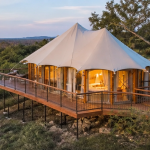


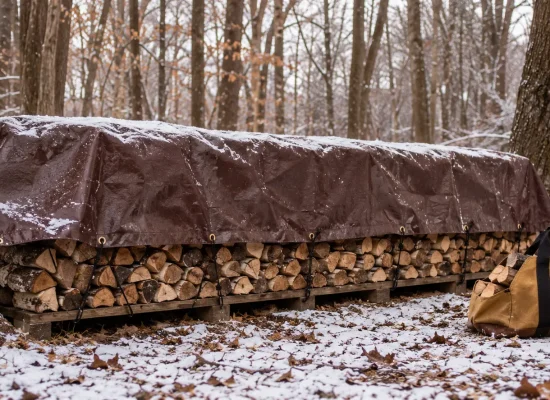
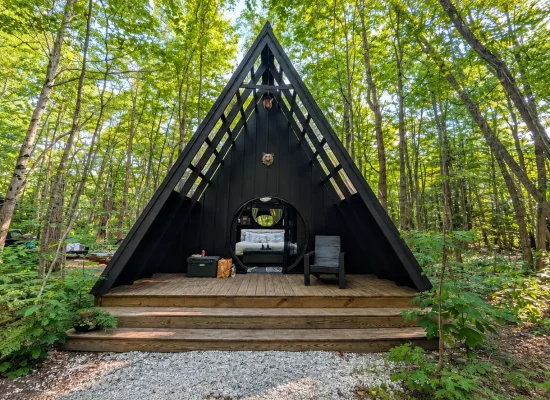
No Comment! Be the first one.